
China AI steel playbook puts pressure on U.S. tech billionaires
Fortune says China is applying steel-era tactics to AI, using scale and low prices to challenge U.S. tech fortunes.
By Maya Lindqvist · Senior Technology Correspondent
3 min read
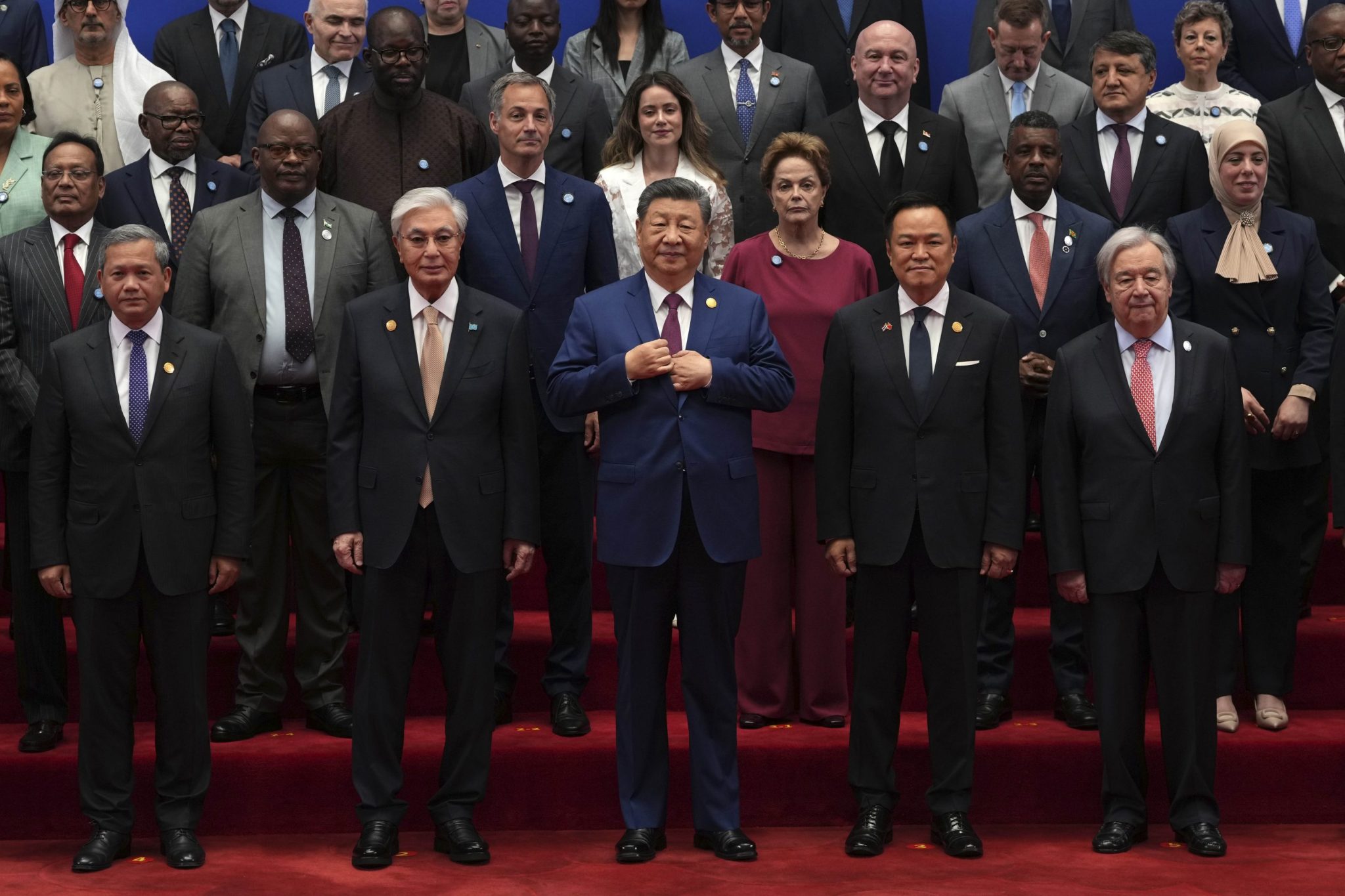
The china ai steel playbook is becoming a sharper concern for U.S. technology companies, according to a Fortune analysis that compares today’s artificial intelligence boom with America’s earlier steel age. The argument matters because AI now sits at the center of market valuations, capital spending and the wealth of the newest class of American tech billionaires.
Fortune draws a line from the industrial barons of the late 19th and early 20th centuries to today’s owners of cloud platforms, chips, data systems and AI models. It says both groups gained power by controlling core infrastructure that other businesses needed to compete.
Historical accounts cited by Fortune, including the Bill of Rights Institute and Britannica, describe Andrew Carnegie and J.P. Morgan as central figures in the steel era’s rise. Those fortunes came with political influence and public criticism, as the same industrial systems that built bridges and skyscrapers also concentrated private power.
What is China’s AI steel playbook?
China’s AI steel playbook refers to a strategy of building large capacity, backing production with state support and pushing lower-cost supply into global markets. Fortune says the comparison comes from China’s earlier steel expansion, where scale and subsidies pressured rivals and affected prices worldwide.
Susan Ariel Aaronson argued in Fortune in July 2024 that AI could become a new version of steel if governments overbuilt capacity and created a glut. By 2026, Fortune said outside reporting pointed to Beijing using a similar industrial approach in AI: focusing on broad deployment, lower costs and market share before near-term profit.
The U.S.-China Economic and Security Review Commission described China’s AI strategy as an industrial model applied to open-source software, embodied AI and the broader manufacturing base, according to Fortune. The Washington Examiner called the approach a “TikTok playbook” for AI, while Bloomberg and The New York Times reported that Beijing is seeking wider global adoption even if profits come later.
Why U.S. tech fortunes are exposed
Fortune says the pressure point is pricing. Chinese AI systems such as DeepSeek, Kimi and Qwen are being positioned as cheaper, widely available alternatives, which could attract users quickly and make it harder for U.S. companies to maintain premium prices.
NYU Stern professor Scott Galloway described China’s tactic as “modern-day steel dumping” in a May 2026 interview on The Diary of a CEO podcast, according to Fortune. He said China could try to flood the U.S. market with inexpensive AI, drive down prices, force consolidation and later gain pricing power.
Fortune also cited its own reporting that the U.S.-China AI gap had nearly disappeared by spring 2026, even though private investment in the United States remained much larger. That tension supports its steel analogy: U.S. firms may lead in capital and early prestige while China competes through volume and cost.
The broader stakes, according to Fortune, are economic and political. If AI becomes the infrastructure layer for the next phase of growth, control over models, chips, cloud services and data could shape markets much as steel once shaped railroads, construction and manufacturing.
Fortune’s conclusion is that the same force creating enormous tech wealth may also expose it. A sector built on expensive infrastructure and premium pricing becomes vulnerable if a state-backed competitor can supply capable alternatives at lower cost and keep doing so long enough to reset the market.
This story draws on original reporting from Fortune.