
Big pharma patent cliff sharpens fight over China biotech deals
A Fortune commentary says U.S. curbs on China biotech licensing could hinder drugmakers as major patents expire by 2030.
By Maya Lindqvist · Senior Technology Correspondent
3 min read
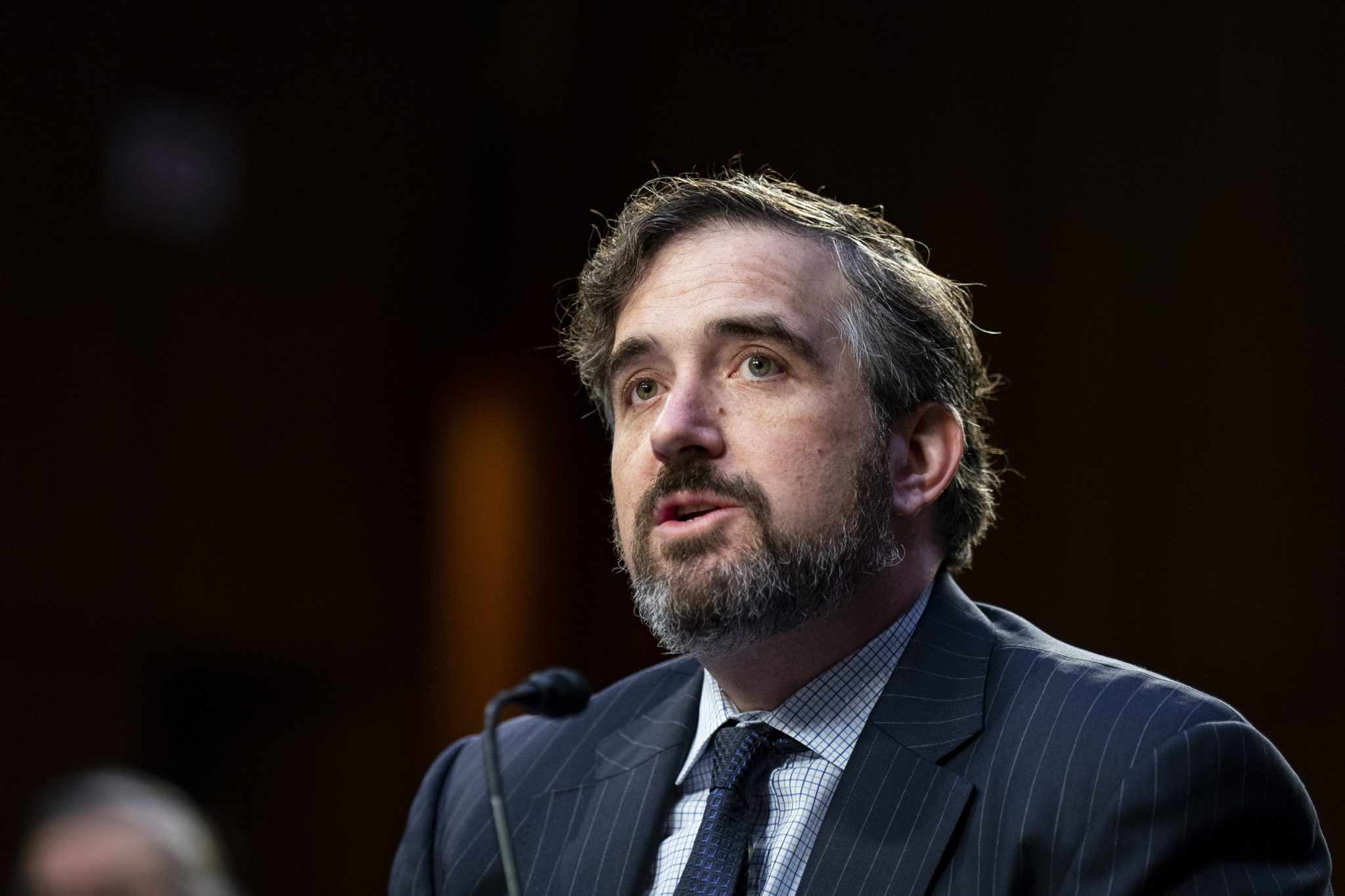
The big pharma patent cliff is becoming part of a wider fight over China’s role in drug development, according to Craig Garthwaite, a Northwestern University Kellogg School of Management professor writing in Fortune. Garthwaite argues that U.S. lawmakers should strengthen American biotech research rather than restrict licensing deals involving Chinese companies.
Garthwaite pointed to daraxonrasib, an experimental pancreatic cancer treatment from Revolution Medicines, as an example of why the drug-development system matters. He wrote that the treatment nearly doubled survival for pancreatic cancer patients who had no other options, and cited former Sen. Ben Sasse as a patient who was told he had a month to live before receiving the medicine.
The argument comes as Washington weighs new scrutiny of China-linked biotech transactions. Garthwaite said House lawmakers recently introduced the Biotech Investment National Security Act, which would put licensing deals involving Chinese companies through national-security reviews.
What is the big pharma patent cliff?
The patent cliff refers to the loss of patent protection on major drugs, which lets generic and biosimilar competitors enter the market. Garthwaite wrote that by 2030, medicines with about $350 billion in annual sales, or roughly one-fifth of projected global prescription-drug revenue, are expected to lose protection.
That shift could cut revenue for large drugmakers and increase pressure to find new medicines, Garthwaite wrote. He said the search could also benefit patients if it pushes companies toward treatments for rare diseases, cancer, cardiovascular disease and other conditions with unmet medical needs.
China has become a larger part of that search, according to Garthwaite. He wrote that China now represents nearly one-third of innovative drug candidates licensed by major pharmaceutical companies, and that U.S. companies entered 37 partnerships in the first half of 2025 to license drug assets from Chinese firms.
Garthwaite said supporters describe the proposed national-security reviews as screenings rather than a ban. But he argued that, because timing and certainty are central to drug licensing, the measure could operate like a prohibition in practice.
He also tied the proposal to other China-focused measures, including the BIOSECURE Act, efforts to stop the Food and Drug Administration from accepting Chinese trial data, and a 100% tariff on imported medicines and ingredients scheduled to take effect July 31.
Why are U.S. drugmakers looking to China?
Garthwaite wrote that U.S. biotech firms use China for lower-cost chemistry work and faster human trials, allowing early-stage companies to stretch limited capital. He said Bristol Myers Squibb, Takeda, Pfizer, AstraZeneca and GlaxoSmithKline have also signed deals that use Chinese assets or capabilities.
He argued that blocking U.S. companies from such deals could weaken them against foreign rivals including AstraZeneca, GlaxoSmithKline and Novartis, which would not face the same limits. In his view, American capital is drawing promising science into the U.S. pipeline rather than surrendering the field.
Garthwaite said some scrutiny is justified, especially where trials involve People’s Liberation Army hospitals, informed-consent concerns or data the FDA cannot verify independently. He argued that the response should be enforcement against misconduct, comparing it to U.S. rules on foreign bribery and forced labor in supply chains.
He also called for stronger federal support for basic research and more openness to scientific talent. Garthwaite wrote that the National Institutes of Health funded decades of underlying pancreatic cancer biology before private companies pursued a medicine, and said cuts to NIH funding in 2025 were followed by a survey showing fewer young biomedical researchers planned to stay in the United States.
This story draws on original reporting from Fortune.