
Kais Saied health reports add pressure to Tunisia’s crisis
Protests, utility cuts and questions about the president’s health have sharpened Tunisia’s post-2021 political rupture, Larbi Sadiki writes.
By Lucas Ferreira · Science & Environment Writer
3 min read
Reports and rumors about Kais Saied health have added to Tunisia’s political strain at a moment of protests, utility failures and anger over the country’s democratic reversal, scholar Larbi Sadiki wrote for Al Jazeera. He argued that Tunisia is facing a rare overlap of social distress and possible political change.
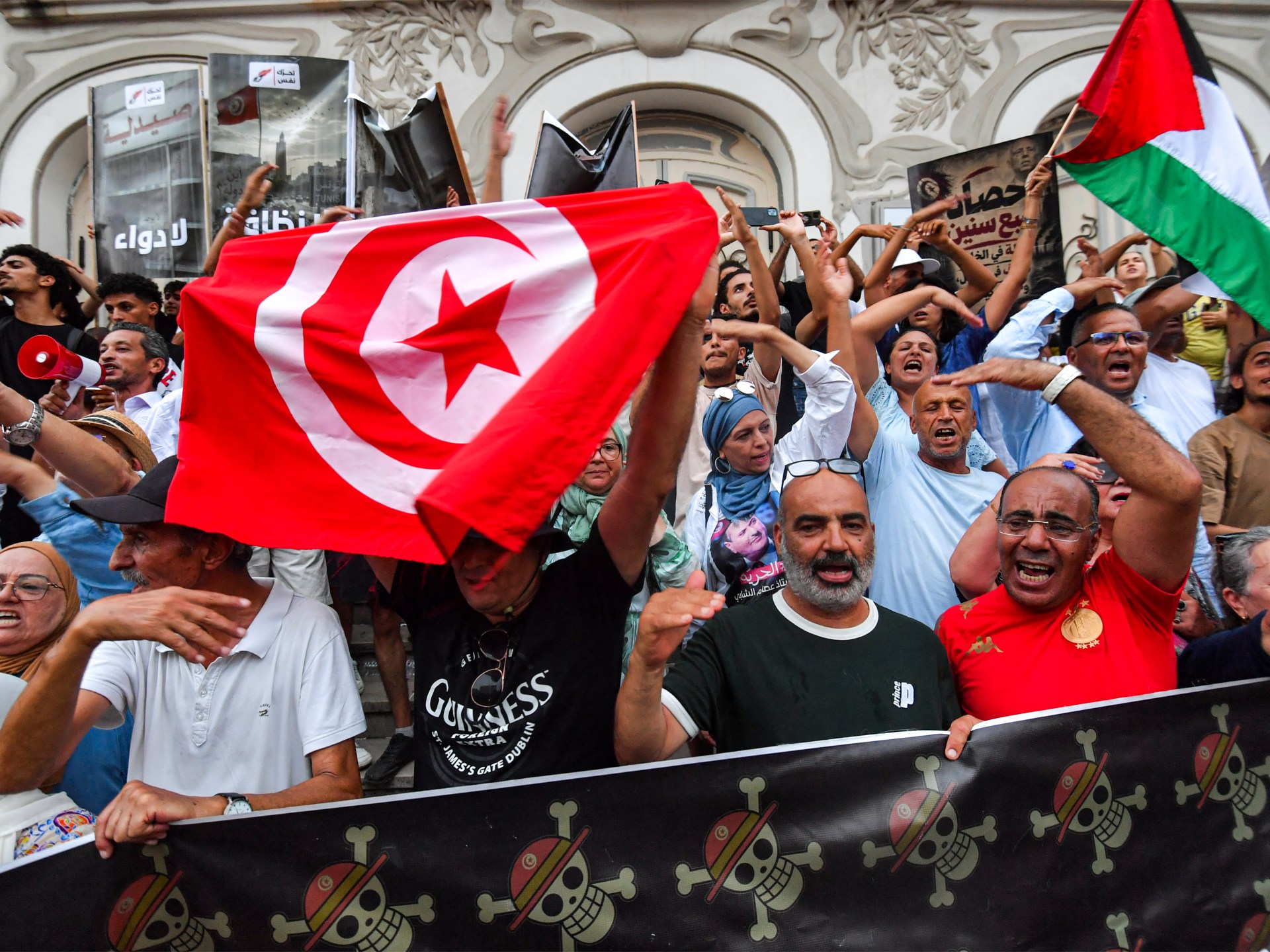
The pressure was visible on July 25, 2026, when demonstrators gathered on Avenue Habib Bourguiba in Tunis to mark five years since Saied suspended parliament and took emergency powers. According to Sadiki, some protesters carried “Degage” signs calling on the president to leave office.
What is driving Tunisia’s crisis?
Sadiki identified two immediate drivers: repeated failures in water and electricity service during summer heat, and the rollback of Tunisia’s post-2011 democratic opening. In some areas, he wrote, outages have lasted as long as two weeks, worsening conditions for households already under economic pressure.
The unrest follows other signs of public anger, including late-2025 protests over pollution linked to a phosphate-processing plant in Gabes, in southeastern Tunisia. Sadiki placed the current mobilization in Tunisia’s longer protest history, noting that January unrest helped weaken Habib Bourguiba in 1980 and toppled Zine El Abidine Ben Ali in 2011.
Public services are at the center of the current dispute. Sadiki wrote that Tunisia’s state electricity and gas company, STEG, has struggled with yearly power-consumption growth of more than 4 percent and heavy seasonal demand, while a 2015 law meant to open power production to non-state operators has not been fully put into effect.
He said renewable-energy plans, including the Tunisian Solar Plan and earlier proposals for green hydrogen, remain too distant to solve the present shortages. Tunisia still depends heavily on imported fossil fuels, with more than half coming through Algerian gas, according to Sadiki.
The financial condition of state-owned companies also limits the government’s room to act. Sadiki cited a January 2026 report by Tunisia’s Court of Auditors that recorded 300 million dinars, or $101 million, in losses at the port authorities and Tunisair. He wrote that STEG and the state water company SONEDE also face severe debt pressures, and that combined debts across such firms are estimated at one-third of gross domestic product.
Why does Saied’s health matter politically?
Sadiki argued that questions about Saied’s health carry extra weight because so much authority is concentrated in the presidency. He wrote that official messaging on the issue has weakened public confidence, fed speculation and exposed paralysis in a system with few effective institutional checks.
Saied’s July 25, 2021 move to seize exceptional powers and dismantle safeguards from the transitional period remains central to the crisis, Sadiki wrote. He cautioned, however, that opposition to Saied should not be read as support for the pre-2021 political class, which many Tunisians blamed for stagnation, corruption, infighting and gridlock.
Sadiki also pointed to Tunisia’s human rights record, citing fears over conditions in Mornaguia prison and the health of jailed opposition figures including Rached Ghannouchi and Ahmed Nejib Chebbi. He argued that the recent release of hundreds of prisoners should be followed by a wider amnesty for prisoners of conscience.
External pressure is another risk, Sadiki wrote. He cited the Tunisia Democracy Restoration Act introduced in 2025 by US Representatives Joe Wilson and Jason Crow, describing its sanctions and aid-cut provisions as measures that could hurt vulnerable Tunisians while interfering in domestic politics.
Sadiki concluded that Tunisia’s path out of crisis depends on domestic reform, dialogue and a return to democratic governance. Whether Saied can repair political divides while addressing basic services remains uncertain, he wrote.
This story draws on original reporting from Al Jazeera.