
Banijay Entertainment UAE investment backs $8 billion merger
Jeff Zucker says Abu Dhabi capital helped create Banijay Entertainment, a 25-country content group with a 265,000-hour library.
By Sofia Marchetti · World Affairs Correspondent
3 min read
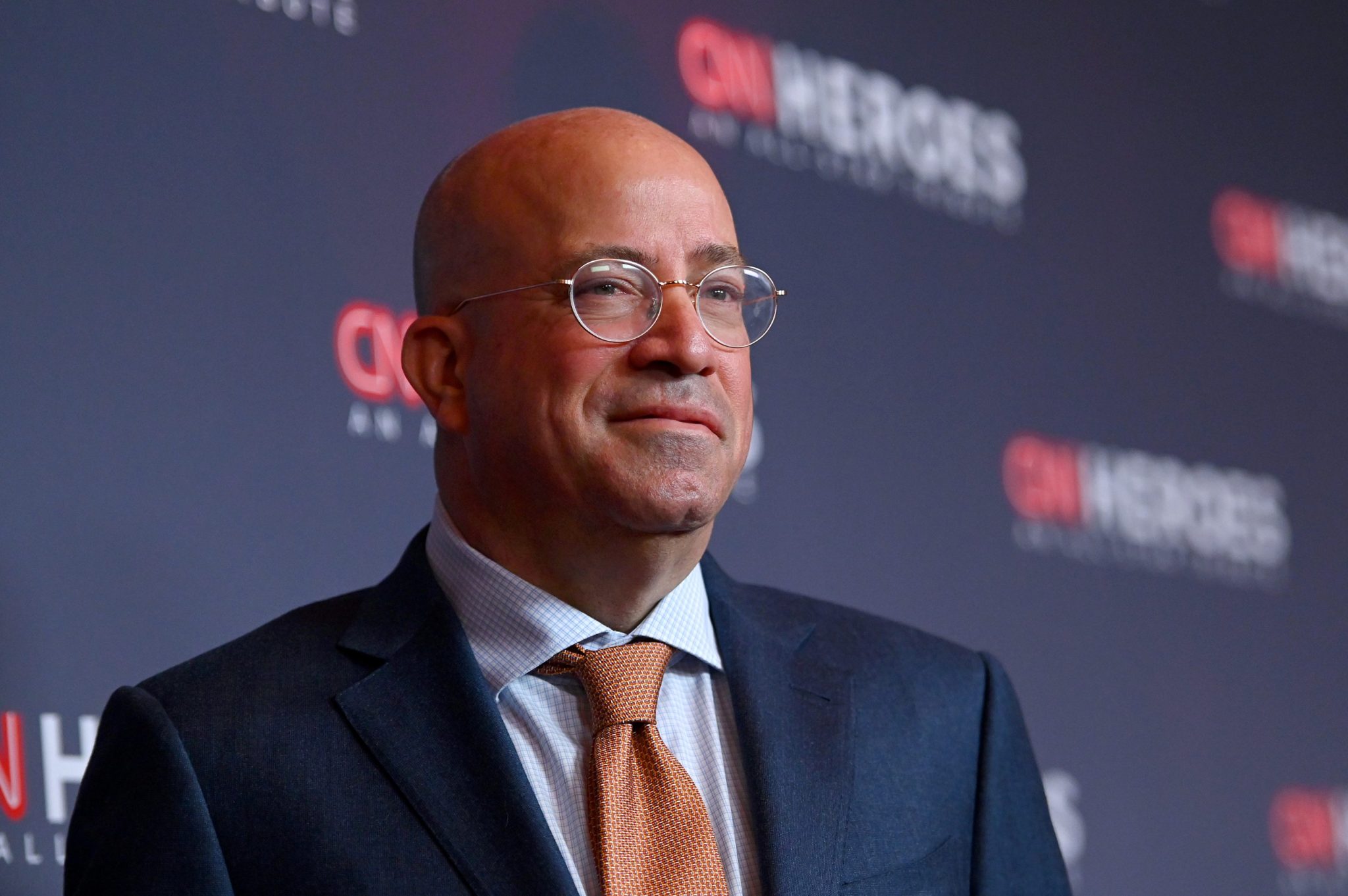
The Banijay Entertainment UAE investment has helped create an $8 billion media group that Jeff Zucker says is built for a streaming era defined by scale. Zucker, the new chairman of Banijay Entertainment, told Fortune the merger with All3Media gives the company a larger library, broader distribution and more leverage with buyers.
The combined company spans 25 countries and holds more than 265,000 hours of programming, according to Fortune. Its franchises and productions include MasterChef, The Traitors, Big Brother, Survivor, Race Across the World, Peaky Blinders, Hamnet and The Culpa Trilogy.
The deal comes as other media companies seek size through consolidation. Fortune cited planned combinations including Sky and ITV’s television businesses in the U.K. and Paramount’s proposed acquisition of Warner Bros. Discovery in the U.S., which faces legal challenges.
What is Banijay Entertainment?
Banijay Entertainment is the new company formed by combining Banijay Entertainment and All3Media. It brings together production, distribution, scripted and unscripted programming, plus live-events businesses under a larger independent content group.
RedBird IMI and Paris-based Banijay Group will be partners in the company, with the board split evenly between them, Fortune reported. RedBird IMI, where Zucker is chief executive, is a partnership between RedBird Capital Partners of New York and Abu Dhabi’s International Media Investments.
International Media Investments is controlled by Sheikh Mansour bin Zayed Al Nahyan, the UAE vice president and deputy prime minister who also owns Manchester City, according to Fortune. IMI’s media holdings include The National newspaper and Sky News Arabia.
Zucker credited the UAE’s role in the RedBird IMI partnership as an important part of closing the transaction. He told Fortune that UAE investors have been patient backers and willing to take risks in international media.
How could the UAE benefit from the Banijay deal?
Zucker said the Gulf, and the UAE in particular, has stories that have not yet reached large international audiences. He told Fortune the enlarged company could create more chances to develop regional content for viewers outside the Middle East.
Banijay already has UAE productions in progress that will continue under the new company, according to Fortune. They include The Lost Kingdom of Arabia and a history program about a 67-million-year-old T. rex skeleton at the Natural History Museum on Saadiyat Island in Abu Dhabi.
Live events are also part of the growth plan. Fortune reported that the company includes more than 170 production and live-events businesses and has worked on major events including the opening ceremonies for the Milano Cortina Winter Olympics and the FIFA World Cup in the U.S., Canada and Mexico.
Zucker told Fortune that sports offer major potential, including regional opportunities such as Saudi Arabia’s hosting of the FIFA World Cup in 2034. Banijay is also putting money into gaming and immersive entertainment, areas Fortune linked to Gulf diversification plans.
On a combined basis, Banijay Entertainment would have produced more than €4.3 billion, or $4.88 billion, in 2025 revenue and more than €700 million, or $796 million, in adjusted earnings, according to Fortune. The company expects €50 million in cost savings within one year of the deal.
Tim Westcott, U.K.-based practice lead for digital content and channels at Omdia, told Fortune that production companies need proven formats as linear TV audiences fall and viewers shift online. Nielsen data cited by Fortune showed streaming had a 47.6% share of U.S. TV viewing in April, compared with 19.9% for broadcast.
Amanda Turnbull, founder and chief executive of Dubai-based Rise Studios, told Fortune the merger looks at this stage more like a strategy and capital deal than a production deal. She said she hopes it can eventually help Gulf producers provide services locally and take regional content to wider audiences.
This story draws on original reporting from Fortune.