
Arrakis exits stealth with $38 million for industrial AI software
The London- and Paris-based startup is targeting AI tools for aerospace, energy, logistics and manufacturing companies.
By Maya Lindqvist · Senior Technology Correspondent
3 min read
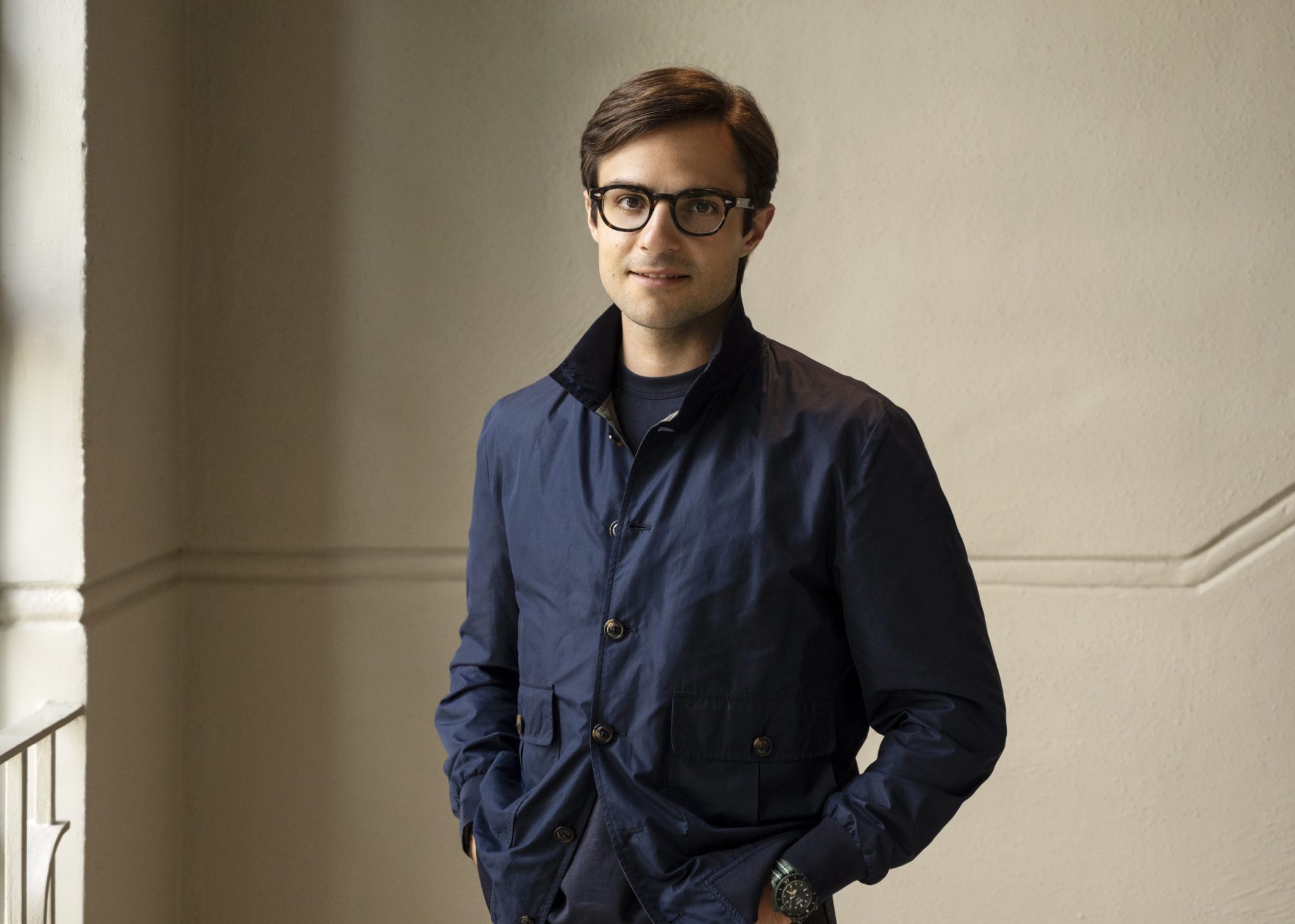
Arrakis, a seven-month-old AI startup based in London and Paris, has come out of stealth with $38 million in venture funding, Fortune reported. The company is building an AI “operating system” for industrial businesses, with a focus on sectors including aerospace, energy, logistics and manufacturing.
The funding includes a $30 million Series A round led by Blossom Capital, according to Fortune. Accel, GFC, MainObject and Rerail also participated, while Accel previously led a $7.5 million seed round. Individual investors include Datadog CEO Olivier Pomel and Olivier Godement, OpenAI’s head of business products.
Arrakis co-founder and CEO Rafael Quintanilla told Fortune the new round values the company at $140 million after the investment. Quintanilla previously worked as a vice president at Accel, where he studied defense and industrial resilience across the U.S., Europe and the Middle East before leaving to start the company.
A bet on industrial work
Quintanilla told Fortune he saw a mismatch between the AI startups attracting venture capital and the needs of companies that make and move physical goods. He argued that much of the AI market has focused on office workers, while industrial operations account for a larger share of the workforce.
Sonali de Rycker, the Accel partner who backed the seed round, told Fortune her support reflects confidence in both the market and Quintanilla as a founder. She said she had worked closely with him during his time at Accel and was backing him again as an entrepreneur.
Arrakis is entering a crowded field. Fortune noted that Accenture, Boston Consulting Group, Palantir and Jeff Bezos-backed Prometheus are all pursuing industrial AI opportunities, while major AI labs are also showing interest in the sector.
Quintanilla told Fortune that Arrakis is trying to occupy a different position from those rivals. He said Prometheus is aimed more at the engineering of physical products, while Arrakis wants to serve as an AI layer for operational work around those products.
He also drew a distinction with Palantir, while acknowledging that several Arrakis employees previously worked there, including a former leader in Palantir’s procurement and supply-chain business. Quintanilla told Fortune that Palantir’s older technology and pricing leave room for a company built around newer AI systems.
Starting with narrow projects
Quintanilla told Fortune that Arrakis avoids broad consulting-style transformation projects and instead begins with specific operational problems. In one project for an unnamed New York-listed shipping company, he said Arrakis worked on improving cash-flow visibility from monthly updates to daily updates.
In that case, according to Quintanilla, Arrakis rebuilt a spreadsheet workflow already used by operators and used AI to fill in data while learning from human corrections. He told Fortune the company often links about half of its fees to meeting agreed performance targets.
Arrakis has found particular traction with family-controlled industrial companies in Europe, Quintanilla told Fortune. He said those businesses tend to take a longer-term view and can push companywide initiatives from the top.
The company is designed to work across AI model providers rather than depend on one, according to Fortune. Quintanilla said Arrakis often begins with models from OpenAI or Anthropic, then may shift clients to open-source alternatives from companies such as Mistral, or Chinese vendors if customers allow them.
Quintanilla claimed to Fortune that Arrakis’s system can improve quality by two to four times while cutting token costs by about 70%. The company currently has five customers, around 15 employees and plans to triple headcount while opening offices in New York and the Middle East, Fortune reported.
This story draws on original reporting from Fortune.