
AI fluency becomes a test for CEOs as tenures shorten
Boards are putting more weight on AI skills as Microsoft, Google, Apple and other companies face faster strategic shifts.
By Maya Lindqvist · Senior Technology Correspondent
3 min read
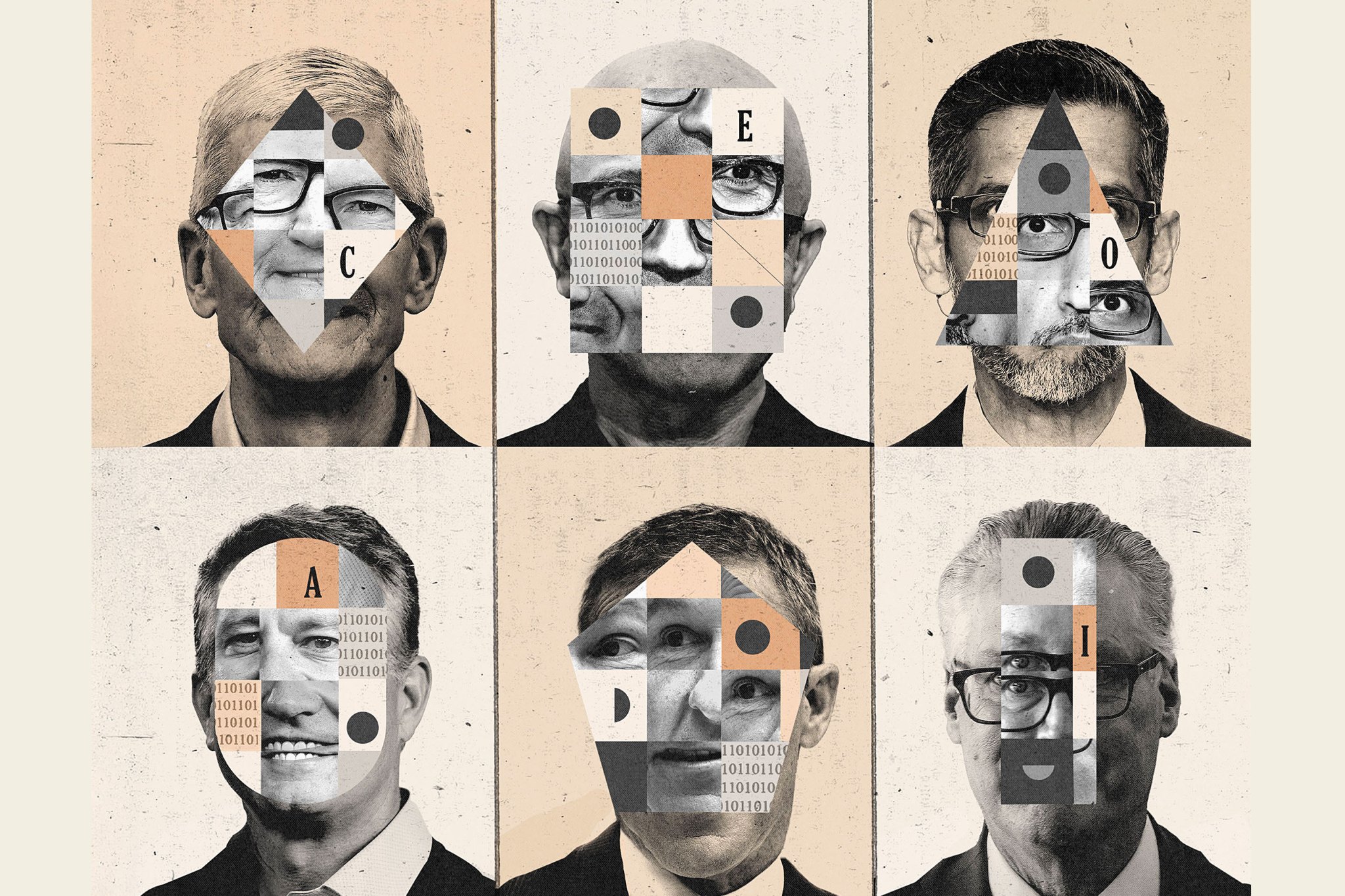
Artificial intelligence is reshaping what boards expect from chief executives, raising pressure on leaders to understand the technology and act faster. The shift is already affecting succession planning, CEO tenure and the balance of power inside the C-suite, according to leadership advisers and corporate disclosures.
Microsoft CEO Satya Nadella signaled the change in October when he told employees he would stop running the company’s commercial businesses so he could spend more time on technology, especially AI. Nadella said Microsoft’s future depended on giving customers new AI tools and becoming their preferred partner for AI-related change.
Nadella, 58, has led Microsoft for 12 years, a long run among Fortune 500 companies. During his tenure, Microsoft shares have climbed 11-fold and the company has reached a valuation above $3 trillion, according to Fortune.
Other long-serving technology chiefs face the same test. Sundar Pichai, 53, has led Google for 10 years and Alphabet for six; Apple CEO Tim Cook, 65, has held the top job for 14 years. Their ability to keep pace with AI is becoming central to questions about how long they remain in charge.
CEO tenures are already narrowing. Russell Reynolds Associates said the average global CEO tenure has fallen to 7.2 years, down from 8.4 years in 2021 and 2023. The advisory firm said boards are watching more closely for leaders who can respond to change with accuracy and flexibility, and are more willing to act when results lag.
Chad Hesters, CEO of executive search firm Boyden, said boards increasingly expect chiefs to be fluent in AI. “Between the compression of the disruption cycle and the risk that’s inherent, boards’ expectations for CEOs are that you’ve got to be an AI native,” Hesters said.
Microsoft’s early investment in OpenAI and its use of ChatGPT with Azure have become defining parts of Nadella’s leadership. Pichai has pushed Google into an “AI-first” strategy that puts machine learning into products, research and infrastructure, while OpenAI CEO Sam Altman has acknowledged Google as a serious rival to ChatGPT.
Apple faces a different debate. Critics cited by Fortune say the company has fallen behind in AI under Cook. Several senior Apple leaders left in the fourth quarter of 2025, and Apple has declined to comment on reports about speculation over Cook’s future.
The pressure extends well beyond technology companies. Walmart and Target both highlighted AI experience when introducing John Furner and Michael Fiddelke as incoming CEOs, respectively. In airlines, Delta CEO Ed Bastian unveiled a generative-AI travel assistant, and United CEO Scott Kirby said in June that his company was “probably doing more AI than anyone.”
Investors are also listening for AI plans. FactSet said S&P 500 companies mentioned “AI” on 306 earnings calls in the most recent quarterly earnings season, compared with a five-year average of 136.
Advisers said the new demand does not require every CEO to become a technical specialist. Jason Baumgarten, a partner at Spencer Stuart, said boards want leaders with curiosity and flexibility rather than reflexive defense of old methods. Fawad Bajwa of Russell Reynolds said CEOs cannot delegate the issue entirely because they must understand AI’s opportunities, limits and risks.
The shift is also changing management structures. Christine Barton of Boston Consulting Group said AI’s complexity has helped drive more companies toward co-CEO models, while CTOs and CIOs are gaining a larger role in corporate strategy.
Jeff Clavier, cofounder and board member of Uncork Capital, said he asks startup CEOs to picture how their companies would look if AI were fully built into their industries. He said leaders must accept that major changes may arrive faster than past innovation cycles.
This story draws on original reporting from Fortune.