
AI-assisted memoir award revives dispute over publishing rules
Author Luke Stoffel says his prize-winning memoir shows publishing is punishing AI disclosure while using the technology itself.
By Maya Lindqvist · Senior Technology Correspondent
3 min read
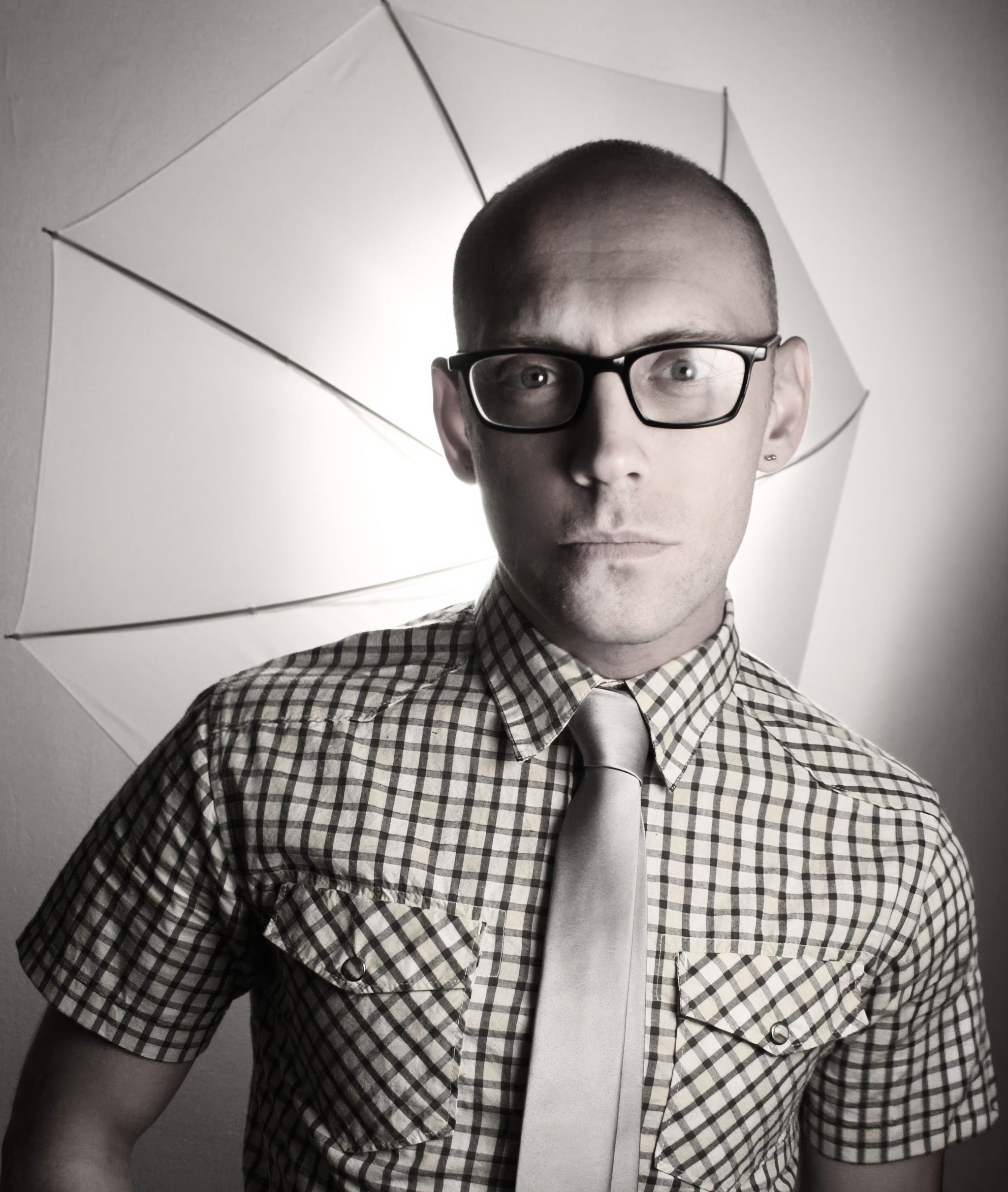
An author whose AI-assisted memoir won an independent publishing award says the book trade is applying uneven standards to writers and publishers using artificial intelligence. Luke Stoffel, author of How to Win One Million Dollars and $#!T Glitter, said in a Fortune commentary that he disclosed his AI use and still won a 2026 IBPA Benjamin Franklin Award.
Stoffel described the book as a memoir written with AI as part of an effort to get cast on Survivor, a bid he said failed. He said the book tells true stories from his life while openly warning readers that it plays with deception and performance.
The book received outside praise, according to Stoffel. He said the Publishers Weekly BookLife Prize scored it 9.5 out of 10, while Kirkus Reviews called it “an exuberant life story written with humor, panache, and heart.” Stoffel said reviewers and judges were aware of his AI assistance.
Disclosure and industry resistance
Stoffel said agents and publishers became less receptive once he explained how he used AI in the writing process. In his view, publishing companies fear public backlash against AI-assisted work while using similar tools inside their own businesses.
He pointed to several examples. According to Stoffel, Simon & Schuster’s Dutch group has tested AI translation of novels into English, Amazon is beta-testing an AI voice studio for Kindle Direct Publishing, and HarperCollins is producing some audiobooks with synthetic narration.
Stoffel also cited reports that HarperCollins licensed part of its nonfiction backlist for AI training, reportedly to Microsoft. He noted that Bloomsbury acknowledged an AI-generated stock image appeared on a Sarah J. Maas cover, while saying it had not known the image was made by AI.
Detector dispute
Stoffel compared his case with that of author Mia Ballard. He said the AI detection company Pangram rated Ballard’s novel Shy Girl as 78% AI-generated, after which Hachette canceled U.S. publication and pulped U.K. copies; Ballard denied using AI and said an editor she hired may have introduced it.
Stoffel said he ran his own Fortune commentary through the same detector and received an 82% “AI generated” result. He said AI helped with punctuation and structure, but he wrote the ideas, argument and personal account.
Stoffel said dyslexia shaped his use of AI tools. He described AI as a substitute for services he could not afford, including copy editing, brainstorming and early reader feedback, and said it gave him access rather than replacing his voice.
He also warned that AI can weaken writing when authors accept its suggestions without enough scrutiny. Stoffel argued that the risk is less about machines independently creating literature than about writers letting automated praise and polish dull their judgment.
Awards and certification
Stoffel cited publishing commentator Jane Friedman, who argued that writers should be judged by finished work rather than by the tools they use. The IBPA Awards and the National Indie Excellence Awards did not bar AI-assisted work, according to Stoffel, while Foreword’s awards prohibited AI-generated content, so he did not enter.
The Authors Guild now offers a “Human Authored” certification based on author attestations, Stoffel noted. He said he keeps records of his own process through Claude connected to an Obsidian vault, with project files stored on his hard drive.
Stoffel said he plans to keep disclosing his AI use even if it hurts his commercial prospects. His broader argument is that punishing disclosure will not reduce AI use in publishing, but will make authors less candid about it.
This story draws on original reporting from Fortune.