
Zimbabwe lawmakers advance plan to end direct presidential vote
A constitutional amendment would let parliament choose the president, drawing support from ruling-party allies and warnings from critics.
By Sofia Marchetti · World Affairs Correspondent
4 min read
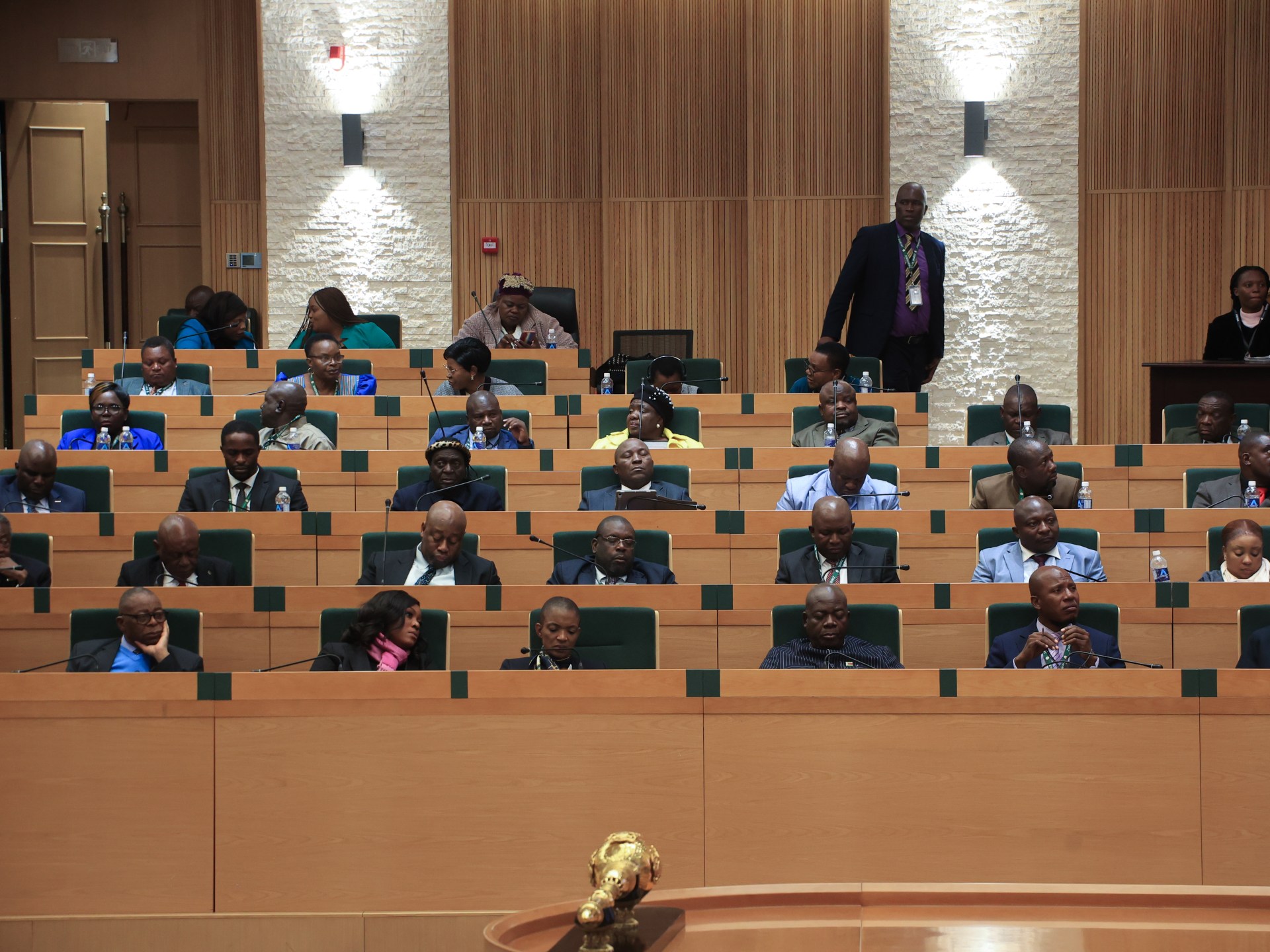
Zimbabwe’s National Assembly has approved a constitutional amendment that would replace direct presidential elections with a vote by lawmakers. The proposal could reshape how the country chooses its head of state and has drawn sharp criticism from activists who say it would weaken public accountability.
Al Jazeera reported that Constitutional Amendment Bill No. 3 passed on Thursday with 216 lawmakers voting in favor and 42 against. The measure now goes to the Senate, where Al Jazeera reported it is expected to obtain the two-thirds majority needed for constitutional changes.
The bill would amend Zimbabwe’s 2013 Constitution so that the president is elected by a joint sitting of the Senate and National Assembly, according to Al Jazeera. Justice Minister Ziyambi Ziyambi, who sponsored the bill, told parliament on June 3 that the proposal was a refinement of the constitutional system rather than a break from it.
Ziyambi rejected criticism that the measure would extend President Emmerson Mnangagwa’s tenure or remove voting rights. He told lawmakers the bill would not give the president a third term, delay elections or put election management in the president’s hands.
Opponents told Al Jazeera they see the measure differently. They argue it would increase Mnangagwa’s influence over the political system and could help him remain in office beyond 2028, when he is due to leave under the current constitution.
Supporters cite continuity, critics warn of one-party rule
Supporters from the ruling Zimbabwe African National Union–Patriotic Front and some lawmakers from the opposition Citizens Coalition for Change say the change would support long-term policy continuity and give Mnangagwa more time to finish his development agenda, according to Al Jazeera.
Barnabas Gura, a 38-year-old resident of Harare’s Glen View suburb, told Al Jazeera he opposed allowing 210 members of parliament to choose a president for a country of about 15 million people. He said Mnangagwa had failed to improve conditions during his years in power and that extra time would not help Zimbabweans struggling with poverty.
ZANU-PF has governed Zimbabwe since independence in 1980. Mnangagwa took power in November 2017 after longtime President Robert Mugabe was removed following a military intervention.
Pride Mkono, a social justice activist and human rights defender, told Al Jazeera the amendment would entrench ZANU-PF’s dominance at a time when the opposition is fragmented and weak. He said the change would leave Zimbabwe effectively under one-party rule led by a small group of powerful figures.
Obert Masaraure, president of the Amalgamated Rural Teachers’ Union of Zimbabwe, told Al Jazeera the amendment would take power from citizens and leave elites with fewer checks. He said people who cannot vote directly for a leader lose a key way to demand accountability.
Consultation figures disputed
A parliamentary committee report tabled this month said 99.4 percent of submissions during nationwide consultations supported the proposed changes, according to Al Jazeera. Activists and rights groups disputed that figure and alleged that the consultation process was marked by intimidation and violence.
Al Jazeera reported that activists and rights groups accused suspected state security agents of abducting and torturing several opponents of the bill. In Chiredzi, suspected ZANU-PF youths allegedly assaulted activist Gilbert Mutebuki after blocking him from speaking against the proposal at a public hearing in late March.
Rawlings Magede of Heal Zimbabwe Trust told Al Jazeera the committee’s figures did not reflect broad public opinion. He said some supporters backed the bill because they expected rewards.
Legal challenges loom
ZANU-PF controls both the National Assembly and the Senate. Its parliamentary position strengthened after the 2023 elections, when Senator Sengezo Tshabangu recalled several CCC legislators, according to Al Jazeera.
Critics have also accused businessman Wicknell Chivayo, an ally of Mnangagwa, of trying to influence lawmakers with cash and vehicles. Al Jazeera reported that Chivayo offered legislators $3.6 million in April if they passed the bill, then withdrew the offer after public criticism.
Opponents are now looking to the courts. Al Jazeera reported that some citizens are suing their MPs over support for the bill, while activist Youngerson Matete has asked the High Court to stop enactment without a referendum.
This story draws on original reporting from Al Jazeera.