
Young workers reconsider Beijing as costs and job pressures rise
Al Jazeera reports that some young Chinese are leaving or considering leaving Beijing as weaker growth, high costs and job uncertainty reshape ambitions.
By Sofia Marchetti · World Affairs Correspondent
3 min read
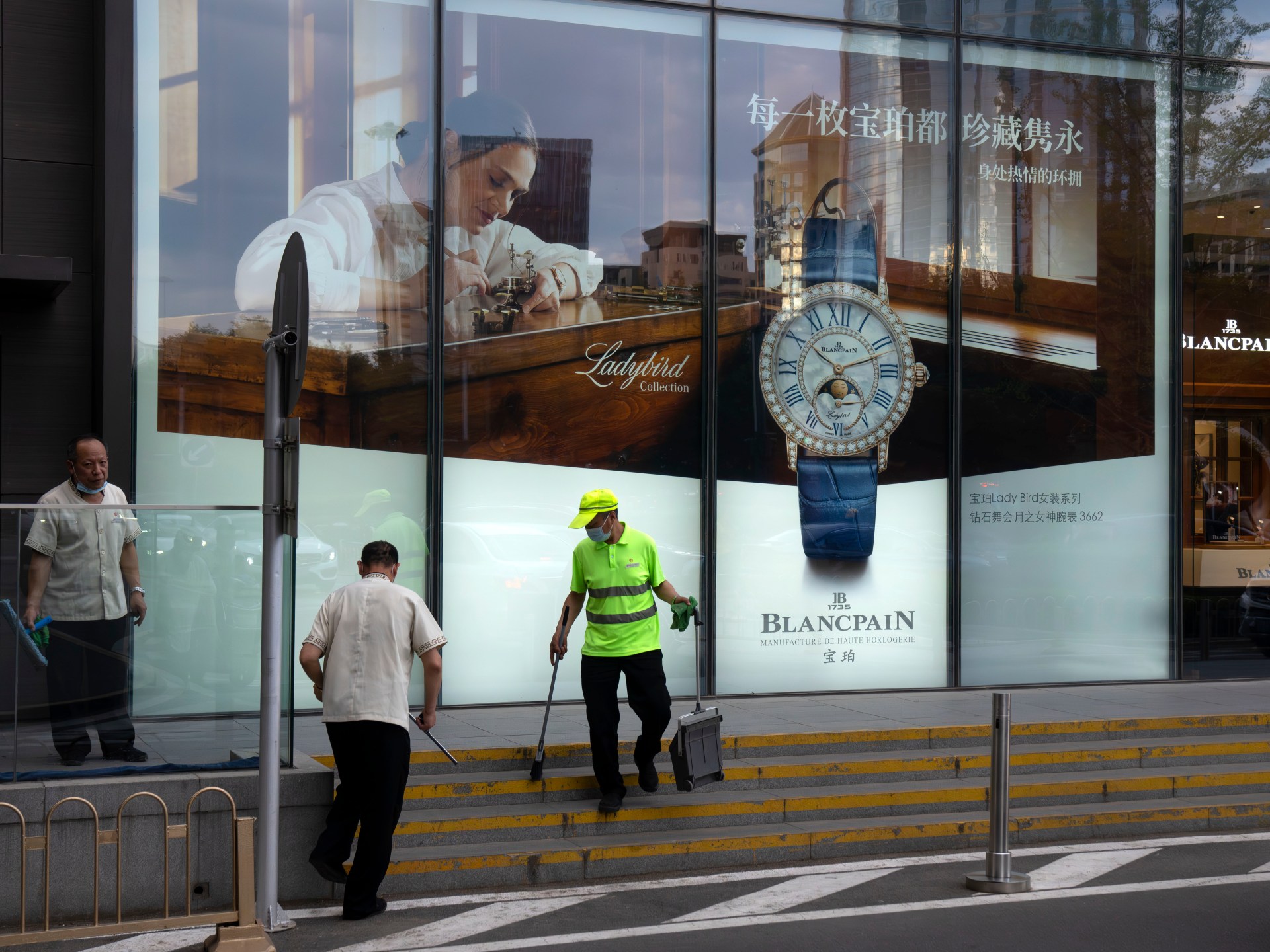
Some young Chinese workers are questioning whether Beijing still offers the future they once expected, as high living costs and a weaker job market weigh on plans built around the capital. Al Jazeera reported that the shift is showing up in personal decisions to leave, social media posts about “escaping Beijing” and a broader rethink of success among younger adults.
Beijing has long drawn people seeking status and opportunity, from imperial-era scholars to recent graduates, entrepreneurs and migrant workers, according to Al Jazeera. The city’s rise tracked China’s broader urban boom: its population has grown from about 11 million in 1990 to nearly 22 million.
For many migrants from smaller cities and rural areas, Al Jazeera reported, a Beijing address has carried symbolic weight. But slower national growth, a prolonged property downturn and the effects of the coronavirus pandemic have made that bargain harder to defend for some young workers.
Pressure after the property boom
Al Jazeera profiled Wang Lei, a 29-year-old from Hebei province who moved to Beijing in 2020 to work in real estate. He had first visited the capital as a child and associated the city with ambition, telling Al Jazeera that seeing a skyscraper near Beijing Railway Station helped shape his dream of making it there.
That plan changed as the property sector weakened. Wang told Al Jazeera he left real estate because the market was in poor condition and the strain had become severe. He now freelances and co-owns a small bar with friends, work that gives him more control over his time but has not removed the financial pressure.
According to Al Jazeera, Wang said many people around him face the same squeeze: paychecks do not keep up with rent, social life, dating and occasional travel. He said spending the same amount in another city could bring a better standard of living.
The wider economic backdrop has fed that calculation, Al Jazeera reported. Families who put much of their savings into housing saw property values fall, while pandemic restrictions reinforced caution about spending. As consumers pulled back and businesses became less willing to expand, the job market tightened.
A different measure of success
On Chinese social media, Al Jazeera reported, posts using the “escaping Beijing” hashtag have drawn attention from young people discussing departures from the capital. Common reasons include housing costs, intense competition and uncertainty about careers.
Leaving Beijing can still carry social stigma, Wang told Al Jazeera, because some people see it as a loss of status. He said younger people are becoming more willing to question that view as the price of conventional success rises.
Al Jazeera linked the trend to frustration with China’s “996” work culture, a schedule of 9am to 9pm, six days a week, once defended by figures including Alibaba founder Jack Ma. The report also cited “tang ping,” or “lying flat,” a term that emerged in 2021 for young people choosing simpler lives over constant competition for income and status.
Wang told Al Jazeera that friends who left Beijing appear happier and less anxious than he is. He said leaving would not mean rejecting hard work, but adapting to current conditions and seeking a life that feels more sustainable.
This story draws on original reporting from Al Jazeera.