
WNBA All-Star controversy grows as players raise harassment concerns
The WNBA enters All-Star weekend under scrutiny over race, player safety, transgender athlete debate and online abuse.
By Sofia Marchetti · World Affairs Correspondent
3 min read
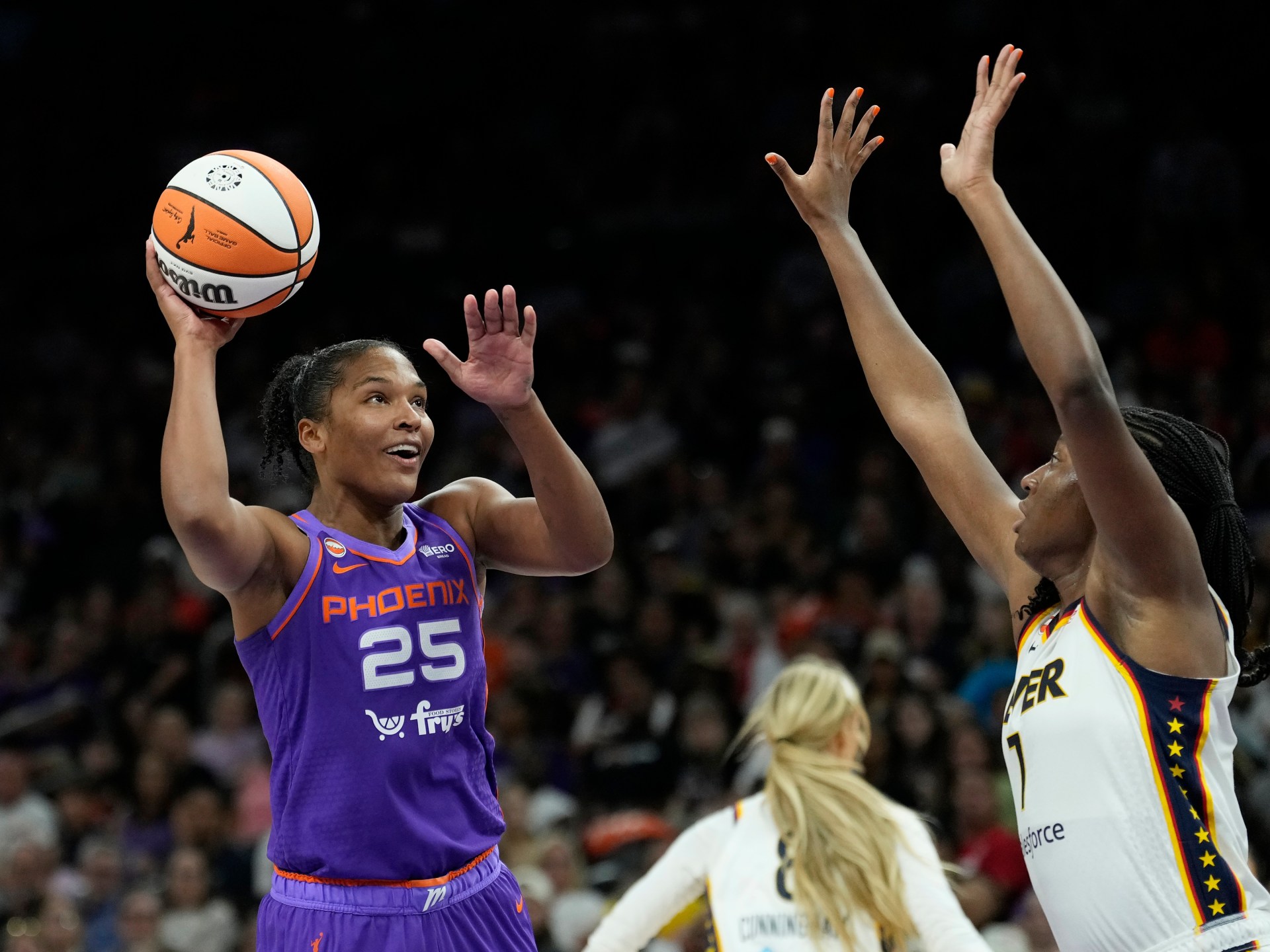
The WNBA All-Star controversy has put the league’s rapid growth alongside disputes over race, gender, sexuality and player safety ahead of Saturday’s showcase game, according to The Associated Press. The league is drawing larger audiences and investment while players and observers press officials over harassment, public remarks and how the WNBA handles conflict around its biggest names.
The Associated Press reported that the tension has built during a period marked by expansion, rising player recognition and a major collective bargaining agreement. Ketra Armstrong, a University of Michigan sport management professor who directs the school’s Center for Race and Ethnicity in Sport, told AP that the league has reason to celebrate its progress while still confronting serious problems.
Why is the WNBA facing scrutiny before the All-Star Game?
The scrutiny intensified after a June 24 game between the Indiana Fever and Phoenix Mercury, when Mercury forward Alyssa Thomas made contact with her fist to the throat of Fever guard Caitlin Clark. AP reported that the WNBA later upgraded the play to a flagrant foul and suspended Thomas for one game.
Thomas, who has said the contact was accidental, later said she received death threats, according to AP. The incident fed wider arguments about officiating, physical play involving Clark and how the league protects players from abuse away from the court.
Clark told ESPN that she wants attention on basketball and said the outside debate has been emotionally draining, according to AP’s account of the interview. Since Clark entered the WNBA, AP reported, she and other players have often been pulled into broader arguments over race, gender, sexual orientation and media attention.
David Berri, a sports economist and economics professor at Southern Utah University, told AP that heightened attention brings more scrutiny of social and cultural issues. He pointed to the NFL’s Rooney Rule as an example of how major sports leagues become part of debates beyond competition.
What incidents are driving the debate?
The Associated Press reported that Toronto Tempo coach Sandy Brondello was suspended for one game after she referred to Atlanta Dream forward Angel Reese as a “protected species” when Reese drew a foul on Toronto player Nyara Sabally. The remark was picked up on the broadcast and drew criticism.
AP reported that Brondello, an Australian former player and two-time WNBA title-winning coach, later apologized. The phrase is used in Australian sports to complain that calls are favoring an athlete, but in the United States it can carry a dehumanizing meaning, particularly toward Black people. Reese accepted the apology and said she appreciated the league’s quick response, according to AP.
The debate has also included transgender athletes and workplace conduct allegations. WNBA veteran Brianna Turner said on social media that the Indiana Fever fired a male employee last season over sexual harassment and that players were encouraged not to discuss the firing, AP reported. Turner, now with the Las Vegas Aces, made the comments while defending transgender athletes after Fever forward Sophie Cunningham discussed transgender participation in women’s sports in an ESPN story.
AP reported that players have continued to raise concerns about online abuse. Las Vegas Aces guard Chelsea Gray recently posted a message from a man that included a racial slur, and Commissioner Cathy Engelbert met this week with two player committees to discuss possible steps to protect players from harassment.
Armstrong told AP that race remains central even amid the league’s gains. Her view, as reported by AP, is that the WNBA’s rise does not remove the need to address how race shapes public reaction to players and events.
This story draws on original reporting from Al Jazeera.