
Why pizza chains are struggling as sales fall and competition grows
U.S. pizza sales slipped in 2025 as diners sought value and more choices, while evidence does not isolate GLP-1 medications’ effect.
By Hana Yoshida · Markets Reporter
3 min read
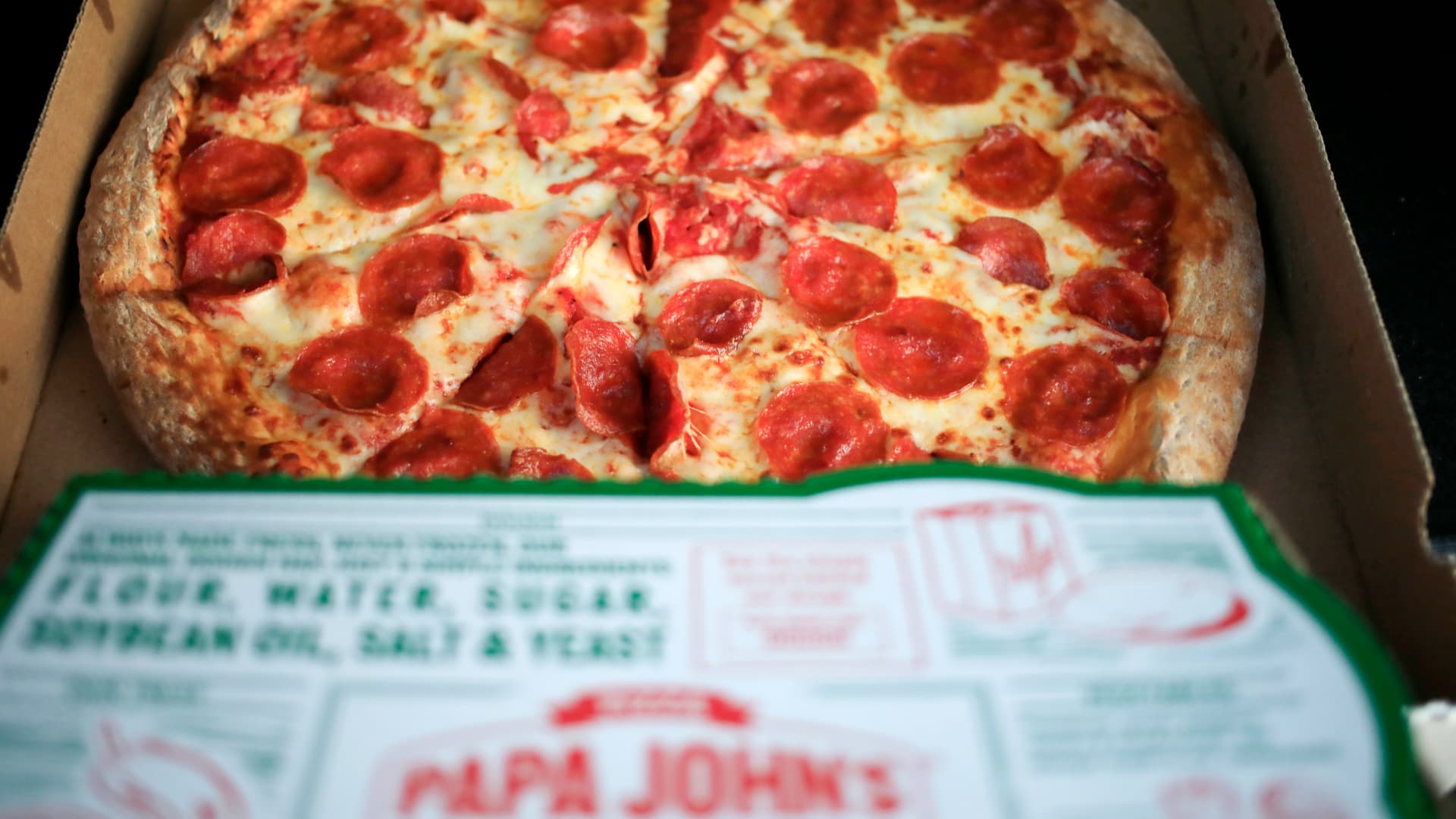
Pizza chains are struggling with softer category sales, rising price sensitivity and more ways for diners to order food. U.S. pizza-restaurant sales fell 0.3% in 2025, including a 0.3% revenue decline for chains, according to Technomic data reported by CNBC.
The downturn is not uniform. CNBC reported that Domino’s U.S. same-store sales rose 3% in 2025, while Papa Johns’ North American same-store sales fell 2.5% and Pizza Hut’s U.S. same-store sales dropped 5%.
Why are pizza chains struggling?
Pizza operators are competing for customers who are watching discretionary spending and have more delivery and takeout choices than they did before the pandemic, CNBC reported. Third-party delivery services have expanded the range of cuisines available for delivery, putting pizza chains in competition with other quick-service restaurants for orders.
Price is another pressure point. The average large cheese pizza costs nearly $17, according to the 2026 Pizza Power Report from PMQ Pizza, as cited by CNBC. Frozen pizza can offer a cheaper alternative: retail sales of single- and multi-serve frozen pizza increased 2.9% in the 52 weeks ended Nov. 7 compared with the same period in 2022, NielsenIQ data cited by CNBC showed. Convenience stores, including Casey’s, are also competing with low-priced pizza offerings.
The category has also lost locations. Datassential data cited by CNBC put the U.S. pizza-location total at 83,035 in August 2019. More than 9,600 pizzerias had closed by July 2026, CNBC reported.
GLP-1 medications are one factor, not a measured explanation
CNBC identified changing eating habits and GLP-1 medications as among the factors weighing on pizza demand. The available evidence does not establish how much of the category’s sales decline can be attributed to those medications, compared with pricing, delivery competition or consumer budgets.
GLP-1 medications can affect food consumption. In its approval announcement for Zepbound, the Food and Drug Administration said the drug activates GLP-1 and GIP hormone receptors to reduce appetite and food intake. That mechanism supports the possibility of an effect on restaurant purchasing, but the FDA announcement does not measure pizza or restaurant spending.
Pizza’s weakness differs from the broader restaurant picture
Pizza’s 2025 decline came as the wider restaurant business showed nominal sales growth but remained under strain. Bank of America’s October 2026 industry report projected restaurant sales of $1.54 trillion for the year, up 4.3%, while saying that higher menu prices account for part of that growth. The report cited a National Restaurant Association estimate of 0.8% inflation-adjusted growth.
Bank of America said diners facing household-budget pressure are eating out less often, using promotions and loyalty programs, or changing their orders. Its report also said elevated costs and value-seeking behavior continue to pressure restaurant-level profitability. For pizza chains, the category figures point to a more specific problem: retaining customers when a pizza is competing against a growing list of lower-cost or more varied meal options.
This story draws on original reporting from CNBC.