
West Bank settler violence follows deadly Tal confrontation
Al Jazeera columnist Mariam Barghouti says attacks after two settler deaths fit a wider Israeli strategy of settlement expansion.
By Sofia Marchetti · World Affairs Correspondent
3 min read
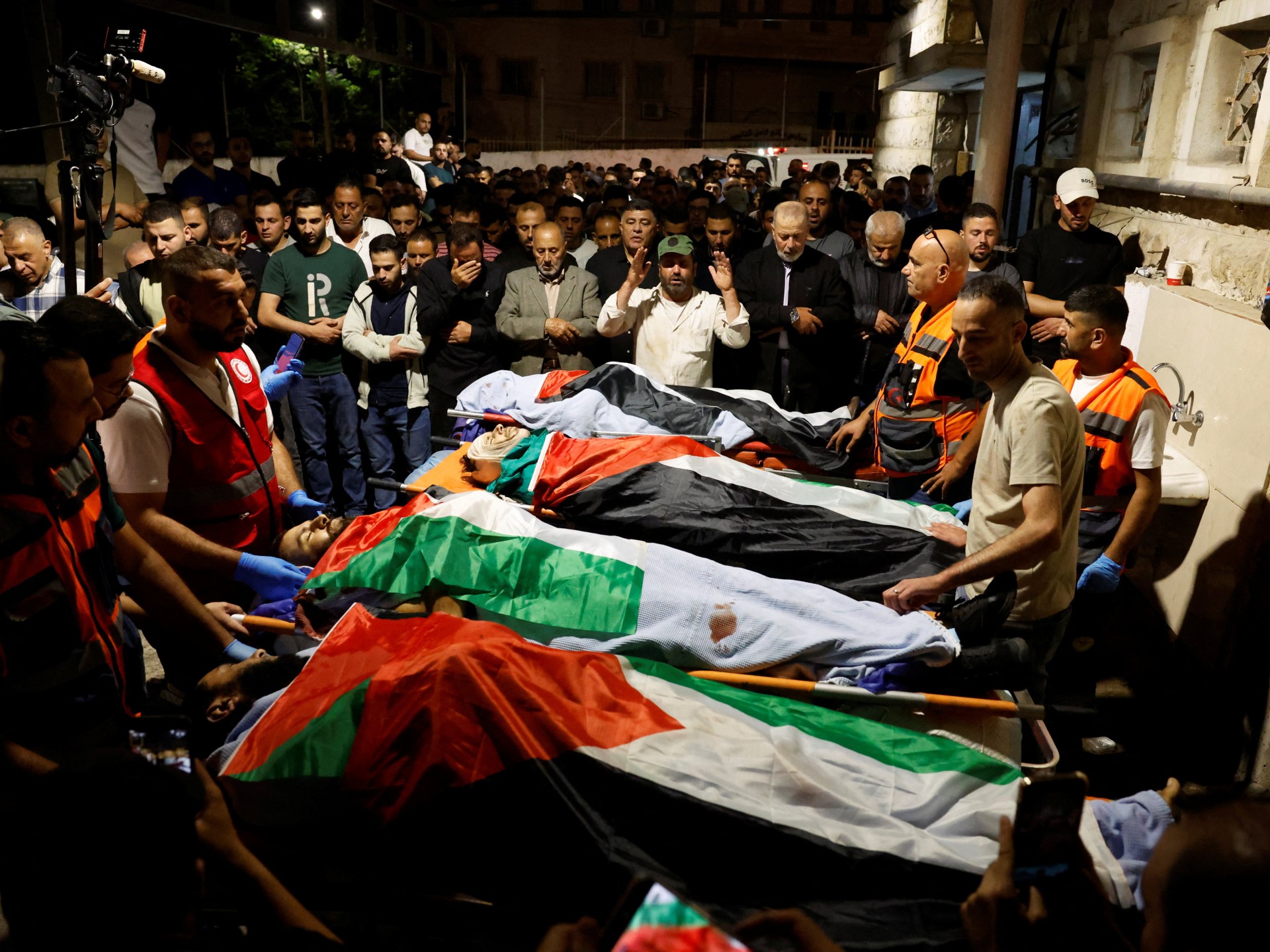
West Bank settler violence has intensified after a deadly confrontation in the village of Tal, where Al Jazeera columnist Mariam Barghouti says Israeli settlers attacked the community and were met by Palestinian men. According to Barghouti, two settlers were killed, and the aftermath has brought arson attacks, assaults on Palestinian villages, forced displacement at gunpoint and lethal Israeli army raids.
Barghouti, a Palestinian American writer based in Ramallah, argues that the violence should be understood as part of Israel’s settlement policy rather than as isolated disorder. Her account links settler attacks, army operations and government-backed settlement growth into what she describes as a strategy to take and reshape occupied land.
What happened in Tal in the West Bank?
According to Barghouti, the latest violence followed an incident in Tal, near Nablus in the northern West Bank, after Israeli settlers entered the village and Palestinians confronted them. She writes that two settlers died in the confrontation.
Barghouti says Israeli forces later killed Palestinians near Tal. A Reuters photograph carried by Al Jazeera showed Palestinians praying beside the bodies of Palestinians killed by Israeli forces near the village on July 25, 2026.
After the deaths of the two settlers, Prime Minister Benjamin Netanyahu pledged to expand military activity in the West Bank against what he called “terrorist hotbeds,” according to a report cited by Al Jazeera. Defence Minister Israel Katz said expanding Israeli outposts and settlements in the West Bank had become an important strategic element of Israeli security, according to Barghouti’s account.
How does Barghouti describe the settler-soldier pattern?
Barghouti argues that Israel’s military and settler activity in the West Bank now work in sequence. In her description, the army first weakens Palestinian towns and villages through raids, destruction of infrastructure, arrests, torture and killings; settlers then increase incursions; and state authorities later formalize changes on the ground.
She points to Jenin as an example. Barghouti says Israeli forces carried out repeated deadly operations in the city and refugee camp, including “Operation Iron Wall” in 2025, before new settlement construction began nearby. She writes that three new Israeli settlements are being built near Jenin and that additional projects are under way in Tulkarem.
Barghouti also argues that describing the situation only as “settler violence” misses the role she says the Israeli state plays. She says the Israeli government and security system protect settlers, while settler groups have supported Israeli soldiers accused of abuses against Palestinians.
Why does the argument focus on land?
Barghouti’s central claim is that the West Bank violence serves territorial expansion. She writes that settlement building, land dispossession, evictions, detentions and military campaigns operate under the same logic of acquiring land, while Israeli officials frame the actions as security measures.
She says Palestinians in the West Bank face shrinking space for daily life, citing checkpoints, schools exposed to tear gas and attacks that prevent children from reaching school. She also describes displacement, torture and humiliation as recurring parts of Palestinian life under occupation.
The column says the killing of an armed settler by a Palestinian man in Tal has been used to justify further Israeli action in the West Bank. Barghouti argues that the episode is not a stand-alone escalation but part of a longer process connecting army raids, settler attacks and settlement expansion.
This story draws on original reporting from Al Jazeera.