
West Bank farmers face mounting losses from raids, restrictions and settler attacks
Palestinian farmers say orchards, livestock and beehives have been damaged as Israeli access limits squeeze rural incomes in the occupied West Bank.
By Daniel Okafor · Business Editor
3 min read
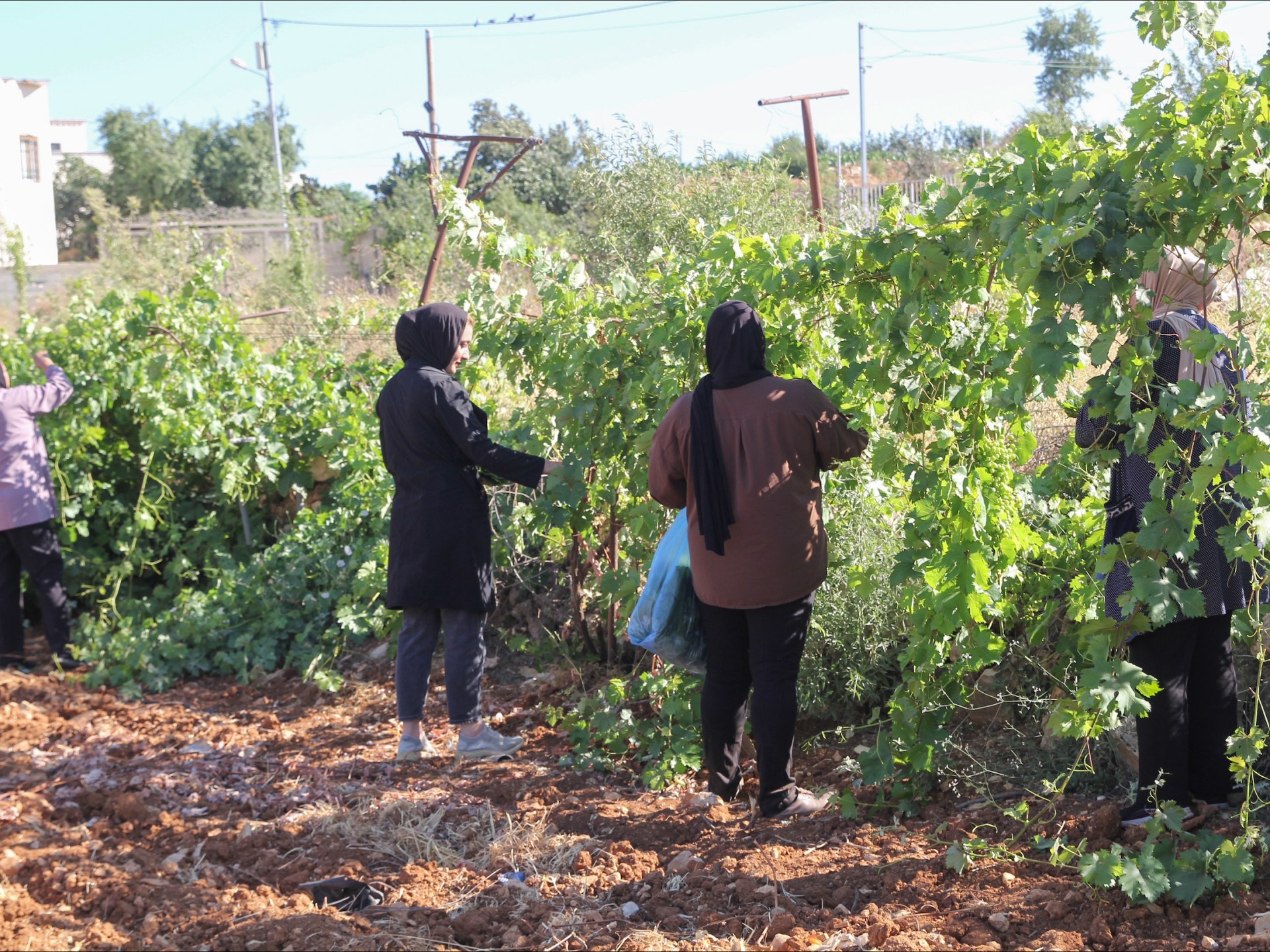
Palestinian farmers in the occupied West Bank are reporting destroyed orchards, lost livestock and damaged beehives as Israeli military restrictions and settler attacks cut into rural livelihoods. The Palestinian Ministry of Agriculture said the damage has reached far beyond individual farms, hitting food supply chains, employment and household security.
Al Jazeera reported that Amal Slaibi, a 58-year-old farmer from Beit Ummar, north of Hebron, lost a seven-dunam family orchard last November when Israeli bulldozers uprooted grapevines near the Karmei Tzur settlement. About 30 dunams belonging to her uncle were also levelled, according to the report.
Slaibi told Al Jazeera that Israeli soldiers had barred the family from approaching within 500 metres of the vines, saying the land was too close to the settlement, even though her family says it has owned the plot for generations. The orchard had been a main source of income for her family of 12, bringing in at least 10,000 shekels, or about $3,300, during the May and June harvest, according to Al Jazeera.
Since Israel’s war in Gaza began in October 2023, the Israeli army has tightened access for thousands of Palestinian farmers to land in the West Bank, which Israel has occupied since 1967, Al Jazeera reported. When permits are granted, farmers often get only a few hours a month to work olive groves, grapevines and other crops.
Slaibi told Al Jazeera that on one permitted visit last year, settlement security guards fired at her and her elderly father after they arrived to plough their land. She said the family now lacks the income and access needed to restore the orchard, and that bulldozing has erased visible boundary markers.
Agricultural losses widen
The Palestinian Ministry of Agriculture said in January that Israeli soldiers and settlers sharply escalated violations against the West Bank agricultural sector in 2025. The ministry estimated damage to greenhouses, farm equipment and agricultural roads at $2.57 million, while direct economic losses exceeded $103 million.
The ministry said the attacks and restrictions have disrupted production, blocked farmers from land and weakened agricultural value chains. It also linked the pressure on farms to rising food prices, unemployment and worsening conditions for rural families.
In Masafer Yatta, south of Hebron, Al Jazeera reported that farmer Jihad Nawajah shifted to beekeeping after settlers poisoned dozens of his sheep in 2010. He began with three hives in 2011 and expanded to 120 within five years, according to the report.
Al Jazeera said settlers destroyed 100 of Nawajah’s hives in 2016, causing losses of about 200,000 shekels, or $67,000. Nawajah told Al Jazeera that settlers tried to burn some hives in 2025, prompting him to move the remaining hives closer to his home.
The Palestinian Ministry of Agriculture said settler attacks on West Bank beekeeping have caused about $154,000 in direct losses. The ministry also warned that damaged hives reduce natural pollination for nearby crops.
Food insecurity rises
The World Food Programme’s food security assessment for the fourth quarter of 2025 said settler attacks continued to affect Palestinian households’ economic conditions. The assessment found that 78% of surveyed households reported lower income, while more than 60% said they could no longer cover basic monthly costs.
The WFP said households with inadequate food consumption rose from 5% in June 2022 to 14% by the end of 2025. It also said more families were turning to cheaper food, smaller portions and fewer meals.
The United Nations said West Bank unemployment reached 30% in the first quarter of 2026, according to Al Jazeera. Economist Nasr Abdel Karim told Al Jazeera that settler attacks, transport difficulties and higher costs had reduced more than 20% of some farmers’ activity, with small producers among the hardest hit.
This story draws on original reporting from Al Jazeera.