
Brazil’s cachaça makers eye Europe as tariff pressure redraws trade ties
U.S. tariffs have helped push the EU and Mercosur toward a trade deal that could lower barriers for Brazilian exports, including cachaça.
By Lucas Ferreira · Science & Environment Writer
3 min read
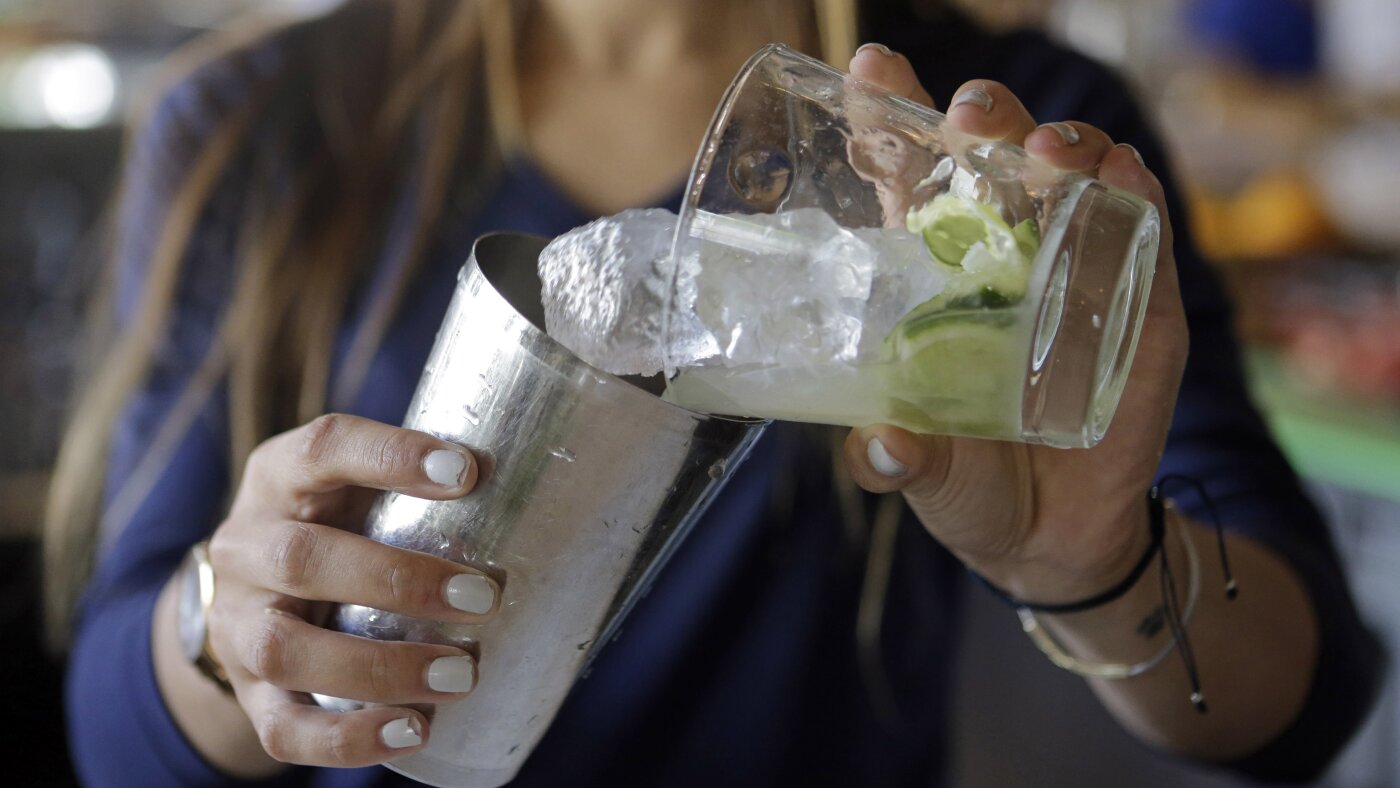
Brazilian cachaça producers are looking to Europe for growth after U.S. tariff pressure helped accelerate a long-delayed trade opening between the European Union and Mercosur. NPR reported that the agreement could cut duties on hundreds of goods, including the sugarcane spirit used in Brazil’s caipirinha cocktail.
The deal matters for a product that has earned recognition in European competitions but has remained a narrow export business, according to NPR. Producers cited import taxes and limited consumer awareness as obstacles that have kept cachaça from reaching a wider market.
Assja Schymura, a distiller at Pindorama, told NPR she expects strong growth if producers can clear early barriers. Pindorama’s directors described the agreement as both a commercial opening and a chance to present a broader image of Brazil abroad.
A delayed deal gains momentum
The EU and Mercosur advanced the trade agreement in May, NPR reported. Mercosur, the South American bloc also known as the Southern Common Market, includes Brazil, Argentina, Uruguay and Paraguay; Bolivia joined Mercosur after much of the agreement had already been negotiated and is expected to participate in the coming years, according to NPR.
The agreement covers a wide range of products, from aircraft parts to cachaça, NPR reported. Its progress followed a period in which both Europe and South America faced U.S. tariffs under the Trump administration.
Roberto Jaguaribe, a former Brazilian trade official and diplomat, told NPR that unstable relations with the United States tend to push countries to seek other partners. That shift has added urgency to talks that had stalled for decades.
The EU-Mercosur accord also includes commitments beyond tariffs, according to NPR. Members would pledge to maintain democratic institutions and stay in the Paris climate agreement, provisions that European and South American officials said have gained weight as Washington reduces its role in climate and democracy initiatives under President Trump.
Trade push extends beyond Europe
NPR reported that Mercosur has also moved quickly on other trade negotiations since Trump returned to office. The bloc signed a pact last year with four European countries outside the EU and has pursued talks with Canada, Japan and the United Arab Emirates.
Larissa Wachholz, a former Brazilian official, told NPR that Brazil’s trade policy is going through a significant period of change after shocks including U.S. trade pressure and pandemic-era shortages. She said she does not expect Brazil to return fully to protectionism.
Brazil has long maintained relatively high tariffs, NPR reported. The current push for new agreements marks a change for the country and for Mercosur’s broader stance toward global trade.
The EU-Mercosur agreement still faces resistance in Europe. NPR reported that some European lawmakers from agricultural regions fear the pact could expose farmers to lower-cost imports, and the agreement was sent to the EU Court of Justice for review in January.
A ruling expected in roughly the next two years could lead to changes in the deal, according to NPR. Even with those uncertainties, Brazilian cachaça makers see an opening in a market that has been difficult to enter.
Rafael Daló, Pindorama’s creative director, told NPR that cachaça can introduce consumers to parts of Brazil beyond carnival imagery. He said the spirit also reflects the forest where it is made, including flavors and aromas tied to that place.
This story draws on original reporting from NPR.