
Washington to host Israel-Lebanon talks after renewed ceasefire
The talks follow a renewed Israel-Hezbollah ceasefire and form part of wider US-Iran diplomacy aimed at ending the war.
By Sofia Marchetti · World Affairs Correspondent
3 min read
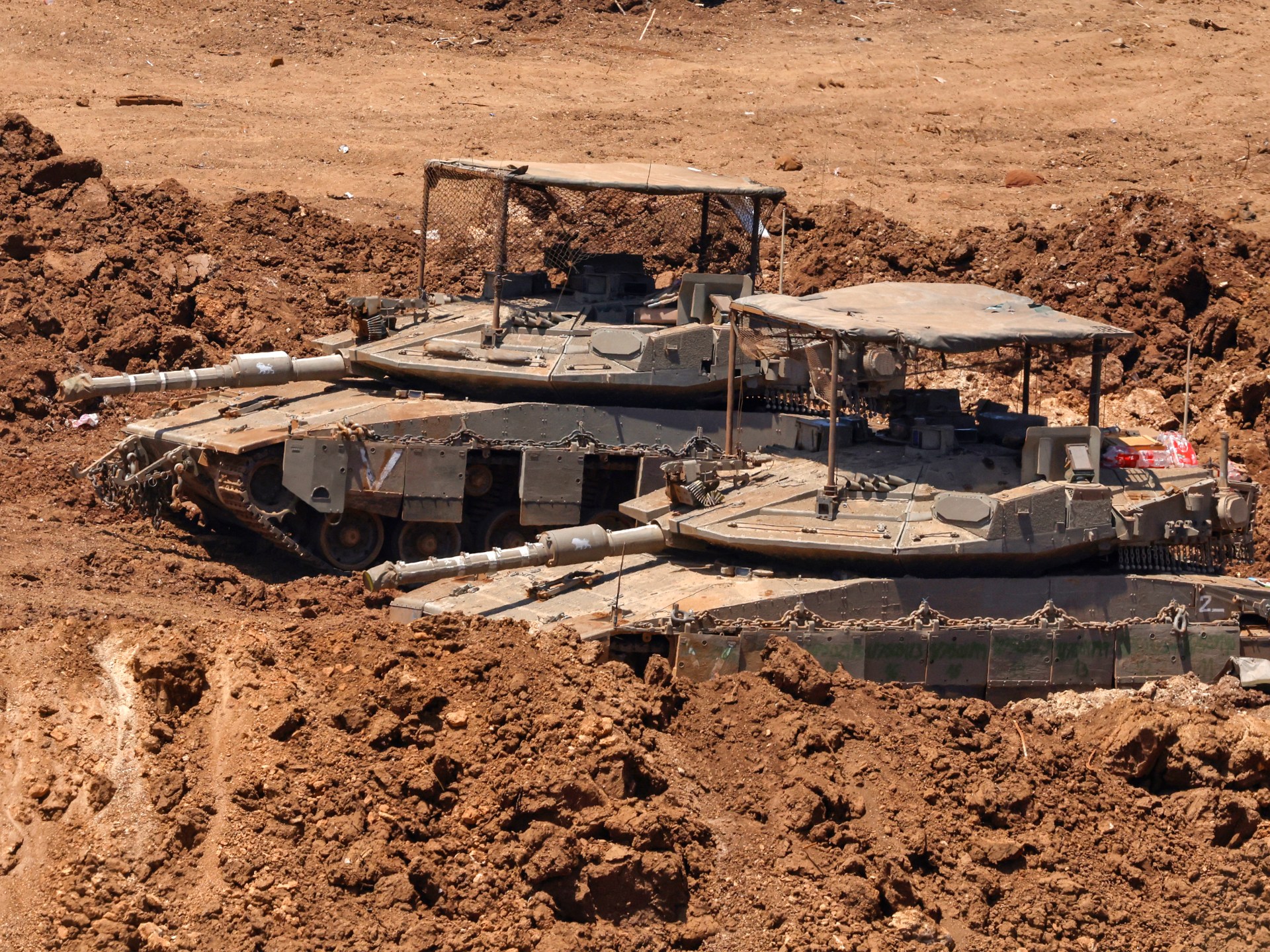
The United States is set to host a new round of talks between Israel and Lebanon in Washington from Tuesday to Thursday, US officials announced. The meetings come after Israel and Hezbollah declared a renewed ceasefire in Lebanon, where continued fighting has complicated a US-Iran memorandum of understanding aimed at ending the wider war, according to Al Jazeera, AFP, AP and Reuters.
Al Jazeera reported that Iran, which backs Hezbollah, has made a ceasefire in Lebanon a central condition in its negotiations with Washington. The talks also follow months of Israeli military operations in Lebanon and Hezbollah attacks on northern Israel.
According to Al Jazeera, Israel has occupied about one-fifth of Lebanon and has carried out near-daily attacks on southern Lebanon and Beirut since early March. The fighting escalated after Hezbollah fired rockets into northern Israel following US-Israeli attacks on Tehran on February 28, which Al Jazeera said killed Iran’s supreme leader, Ayatollah Ali Khamenei, and several senior officials.
More than 4,000 people have been killed in Israeli attacks in Lebanon, and more than one million people have been forced from their homes as Israeli forces moved north, Al Jazeera reported.
US and Iran set up ceasefire mechanisms
Qatar and Pakistan, which have acted as mediators, said Monday that the US and Iran had agreed on a new roadmap toward a final deal after what they called “encouraging progress” in high-level talks in Switzerland. Those talks followed a memorandum signed last week by US President Donald Trump and Iranian President Masoud Pezeshkian, according to Al Jazeera.
The new joint statement includes a “de-confliction cell” intended to help end Israeli military operations in Lebanon, along with a high-level committee and direct communication channels to support negotiations, Al Jazeera reported. US Vice President JD Vance said Monday that Washington and Tehran would create coordination mechanisms, including one for the Lebanon ceasefire and another for de-mining the Strait of Hormuz.
Vance said technical talks on other disputes in a US-Iran peace deal would follow in the “weeks and days to come.” He said the US believes a deal can protect “Lebanon’s territorial integrity and sovereignty” and Israel’s security, while adding that the process would require coordination with the Lebanese army and pressure on Iran to restrain Hezbollah.
Iranian Foreign Minister Abbas Araghchi described the developments as “major progress” toward ending the war in Lebanon, according to Al Jazeera. He also said the first test would be whether the de-confliction cell works.
Lebanon, Hezbollah and Israel stake out positions
Lebanese President Joseph Aoun discussed the de-confliction mechanism Monday in a phone call with Vance and Qatari Prime Minister Sheikh Mohammed bin Abdulrahman bin Jassim Al Thani, the Lebanese presidency said. The presidency said the call focused on strengthening the ceasefire between Israel and Hezbollah.
Hezbollah has rejected the upcoming talks and demanded that Israeli forces leave Lebanon first, Al Jazeera reported.
Israeli officials have repeatedly said Israel will not withdraw from Lebanon. Defence Minister Israel Katz said last week that Prime Minister Benjamin Netanyahu and Katz support keeping Israeli forces in security zones in Lebanon, Syria and Gaza for an unlimited period to protect Israeli communities, according to Al Jazeera.
Netanyahu also said Israel would occupy southern Lebanon for as long as necessary, Al Jazeera reported. Late Monday, he said Israeli forces would retain “full freedom” to respond to threats in southern Lebanon and would stay deployed there as long as Israel considers necessary.
A US-mediated ceasefire between Israel and Lebanon was reached in November 2024, but Al Jazeera reported that it did not hold because Israel retained the right to conduct operations when it perceived threats. Trump announced another 10-day ceasefire on April 16 after six weeks of fighting, but Al Jazeera said Israeli attacks and advances continued until this week.
This story draws on original reporting from Al Jazeera.