
U.S. eases Iran oil sanctions as court blocks voter data tool
Washington offered Tehran temporary oil relief during nuclear talks, while a judge found the SAVE voter-check system unlawful.
By Daniel Okafor · Business Editor
4 min read
The United States has granted Iran a 60-day exemption from oil sanctions, NPR reported, giving Tehran room to sell oil in U.S. dollars on global markets while negotiations over its nuclear program continue. A federal judge also ruled that the Trump administration’s expanded SAVE data system for checking voter eligibility is unlawful, blocking its use in its current form, according to NPR.
NPR reported that the sanctions waiver lets Iran sell oil at ordinary market prices, similar to major Gulf producers. NPR’s Aya Batrawy told Up First that the waiver is part of a package of economic incentives meant to press Iran to meet U.S. demands during the talks.
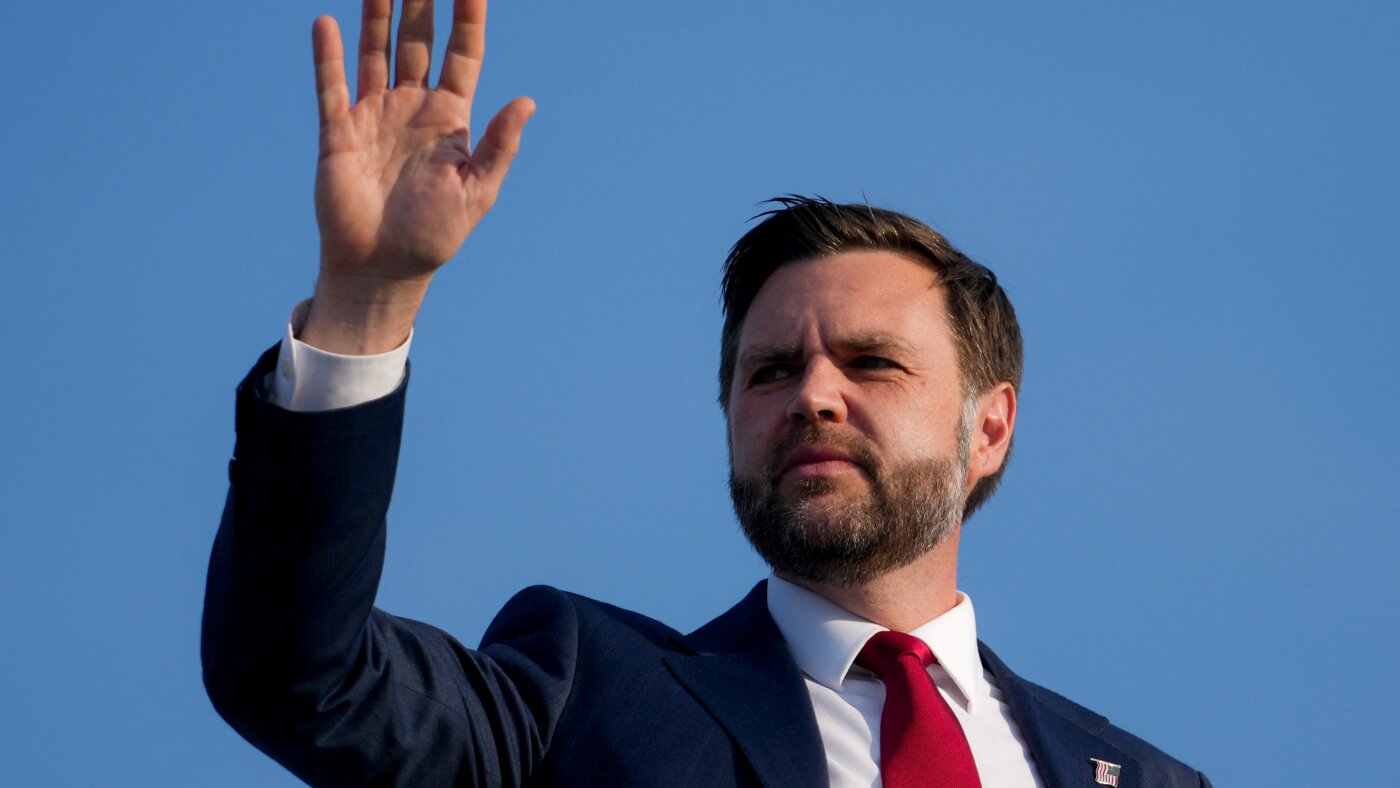
Batrawy reported that the current arrangement also frees billions of dollars in Iranian funds held in accounts overseas in Qatar. Vice President Vance, who NPR described as the public face of the negotiations, has presented the deal as serving U.S. interests and said Iran would not receive benefits until it changes its policies.
According to NPR, Vance said Iran has agreed to allow International Atomic Energy Agency inspectors back into the country. Vance described that step as the beginning of an effort to permanently end any Iranian nuclear weapons program, NPR reported.
Batrawy said Vance appeared to suggest that inspectors could review nuclear sites including Fordow, Isfahan and Natanz, which NPR reported were damaged by U.S. airstrikes last year. Iran has said there are no plans for inspections of those damaged sites and that the matter was not discussed, according to NPR.
Trump turns to economy after Iran agreement
President Trump is traveling to Pennsylvania’s Lehigh Valley to visit a Mack Trucks manufacturing plant and highlight his economic record, NPR reported. NPR said the trip is his first domestic travel since signing an agreement with Iran intended to end fighting in the Middle East.
NPR’s Franco Ordoñez said Trump is expected to point to economic gains he has argued will follow the end of fighting and the reopening of the Strait of Hormuz. NPR reported that Trump has said gasoline and other energy prices will fall sharply, though Ordoñez said it could take months for drivers to see prices return to pre-conflict levels.
The visit comes as Trump faces weak public approval, according to NPR polling. NPR reported that 36% of voters approve of Trump’s overall job performance, while 59% disapprove.
Judge rejects Minnesota subpoenas
In Minnesota, a federal judge threw out grand jury subpoenas issued by the Trump administration, Minnesota Public Radio reported. The judge found that the subpoenas were aimed at harassing, coercing and retaliating against state officials who opposed federal immigration policies, according to MPR.
MPR’s Jon Collins reported that the subpoenas sought information from officials including Gov. Tim Walz and Attorney General Keith Ellison about their responses to federal immigration actions during an Immigration and Customs Enforcement surge in Minnesota. The judge said using grand jury subpoenas to harass local and state officials was a misuse of a powerful legal tool, according to MPR.
The Justice Department told Collins it takes unlawful obstruction of federal law enforcement seriously and will continue its investigation, MPR reported. The judge also said he planned to unseal the grand jury testimony that led to the subpoenas, according to NPR.
SAVE voter tool blocked
NPR reported that a federal judge ruled the Trump administration’s effort to gather Americans’ personal data for voter-eligibility checks violated the law. The system, known as SAVE, was expanded last year and had already been used by several states to run entire voter rolls through the database, according to NPR.
NPR reported that the tool was designed to flag possible noncitizens and dead voters. The system also wrongly identified some foreign-born U.S. citizens as potential noncitizens, according to NPR.
NPR said it first reported the federal expansion of SAVE for broad citizenship checks and the government’s failure to follow public notice requirements under the Privacy Act.
This story draws on original reporting from NPR.