
Volunteers lead earthquake rescue and aid effort in Venezuela
Residents and aid groups are filling gaps in rescue, medical and supply work after twin quakes killed more than 2,295 people.
By Lucas Ferreira · Science & Environment Writer
4 min read
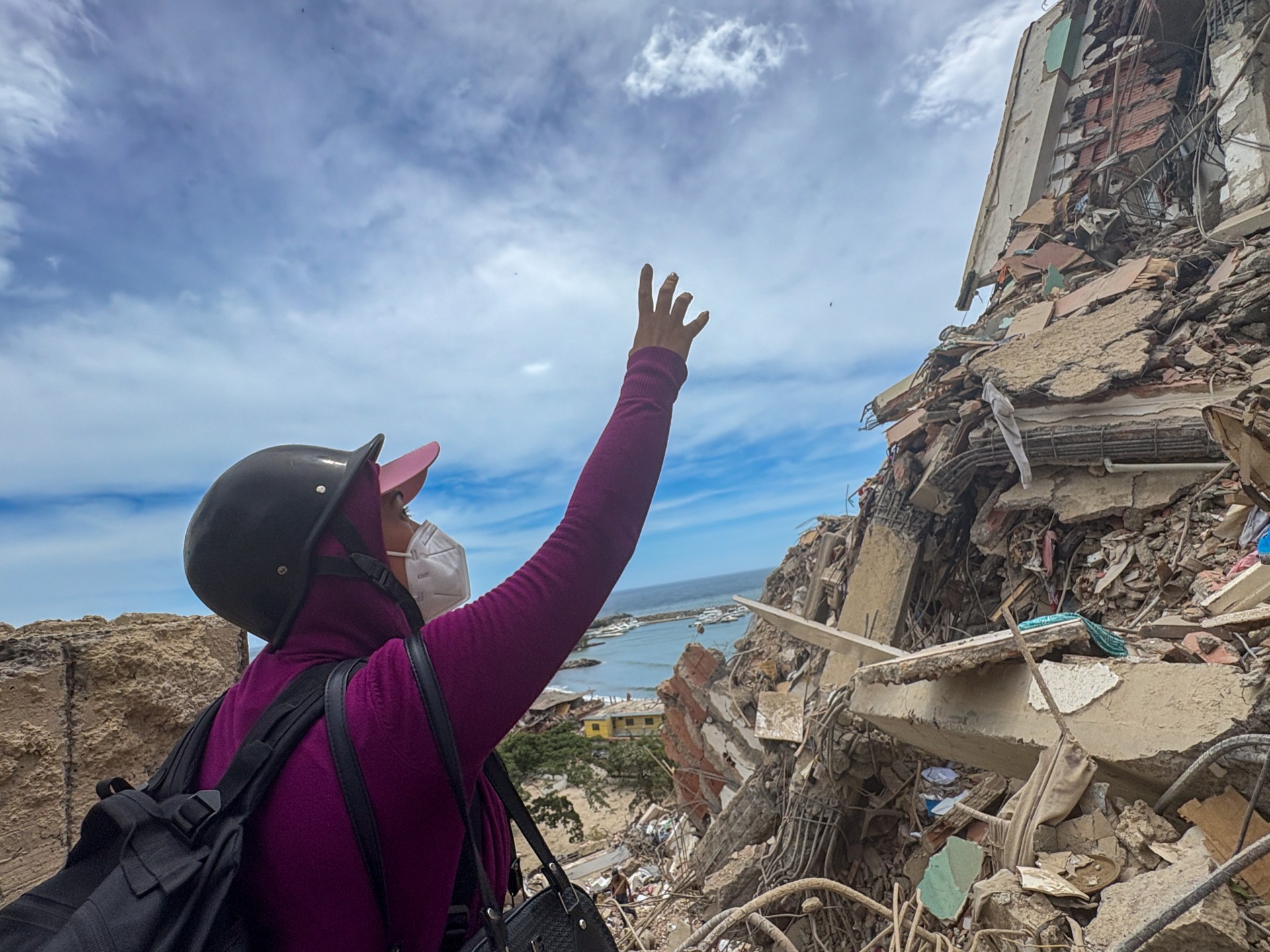
Volunteers and neighbours are driving much of Venezuela’s earthquake response as anger grows over the pace and reach of government relief. The June 24 twin earthquakes, measured at magnitudes 7.2 and 7.5, killed more than 2,295 people and injured 11,000, according to Venezuela’s National Assembly.
The United Nations has warned that the death toll could reach 10,000. A crowdsourcing website tracking missing people says more than 43,000 people remain unaccounted for, Al Jazeera reported.
In Catia la Mar, a coastal city in La Guaira state north of Caracas, residents have searched damaged buildings, distributed masks and moved supplies while waiting for official help. Andreina Velasquez, whose sixth-floor apartment collapsed after she left home shortly before the first quake, told Al Jazeera she has been handing out face masks because many people at the rubble sites lack basic protection.
Carolina Jimenez, president of the Washington Office on Latin America, told Al Jazeera that Venezuela’s state response has lagged behind citizen-led efforts. She said civil society groups, humanitarian workers and volunteers had been the main responders in some affected areas.
Velasquez and other residents said federal assistance reached parts of Catia la Mar on Sunday, three days after the earthquakes, while other areas of La Guaira had still not received it, according to Al Jazeera. In the city, soldiers were seen near the main road, and an officer from Venezuela’s General Directorate of Military Counterintelligence told Al Jazeera they had orders to direct traffic and limit access to certain zones.
Rescue work continues amid political backlash
Volunteer firefighter Jeff Sombrito told Al Jazeera he had spent five days searching debris, rescuing survivors and recovering bodies. He said rescuers had heard trapped people they could not immediately reach because rubble was shifting.
The government response has drawn criticism from opponents of the ruling United Socialist Party of Venezuela, which has governed for more than 25 years. Henry Alviarez, national coordinator for the opposition coalition Vente Venezuela, told Al Jazeera that authorities had failed to coordinate volunteers and contingency plans.
President Delcy Rodriguez’s government has also received international backing. The United States has pledged $300m for emergency response, and President Donald Trump said his administration would support Venezuela, according to Al Jazeera. The European Union is providing 5 million euros, or $5.71m, including a planned flight from Copenhagen carrying shelter materials, water and sanitation equipment and education supplies.
More than 3,600 rescue and support workers and 118 search-and-rescue dogs from other countries are working with specialist equipment, Al Jazeera reported. Caracas has also become a collection and distribution point for donated goods from Venezuelans.
Some aid deliveries have faced problems. Volunteers from the Central University of Venezuela said officials took seven trucks carrying supplies, according to Al Jazeera. An unnamed volunteer working in Caracas and La Guaira told the outlet he believed state neglect and weak infrastructure had contributed to the number of deaths.
Hospitals face rising pressure
The World Health Organization says Venezuela’s health system is under significant strain after the earthquakes. The UN agency said there are 21 health centres in the worst-hit areas, with at least three critically damaged and six others structurally damaged or partly functional.
Eduardo Rivas, a doctor at the La Florida Clinical Institute in Caracas and a medical teacher at Vargas Hospital, told Al Jazeera that patients have suffered cuts, fractures and trauma injuries. He said Venezuela’s health system already lacked infrastructure, equipment, medicines and experienced staff, with many senior medical workers having left the country during years of economic hardship.
Nearly eight million people have left Venezuela over the past decade, including professionals, according to Al Jazeera. Rivas said disease risks could rise as displaced people face dust, debris and possible contamination along the coast, including respiratory illness and outbreaks such as yellow fever and dengue.
Pedro Romero, a volunteer with the Catholic charity Caritas, told Al Jazeera that aid needs exceed what volunteers can supply. He said Caritas has been delivering items including tuna, milk and detergent in Caracas, but fuel shortages and widespread poverty have limited how much Venezuelans can contribute.
This story draws on original reporting from Al Jazeera.