
UN rights body to debate Sudan city as RSF siege fears grow
Aid and rights groups warn civilians in el-Obeid face rising danger as RSF forces tighten pressure around the strategic Sudanese city.
By Lucas Ferreira · Science & Environment Writer
3 min read
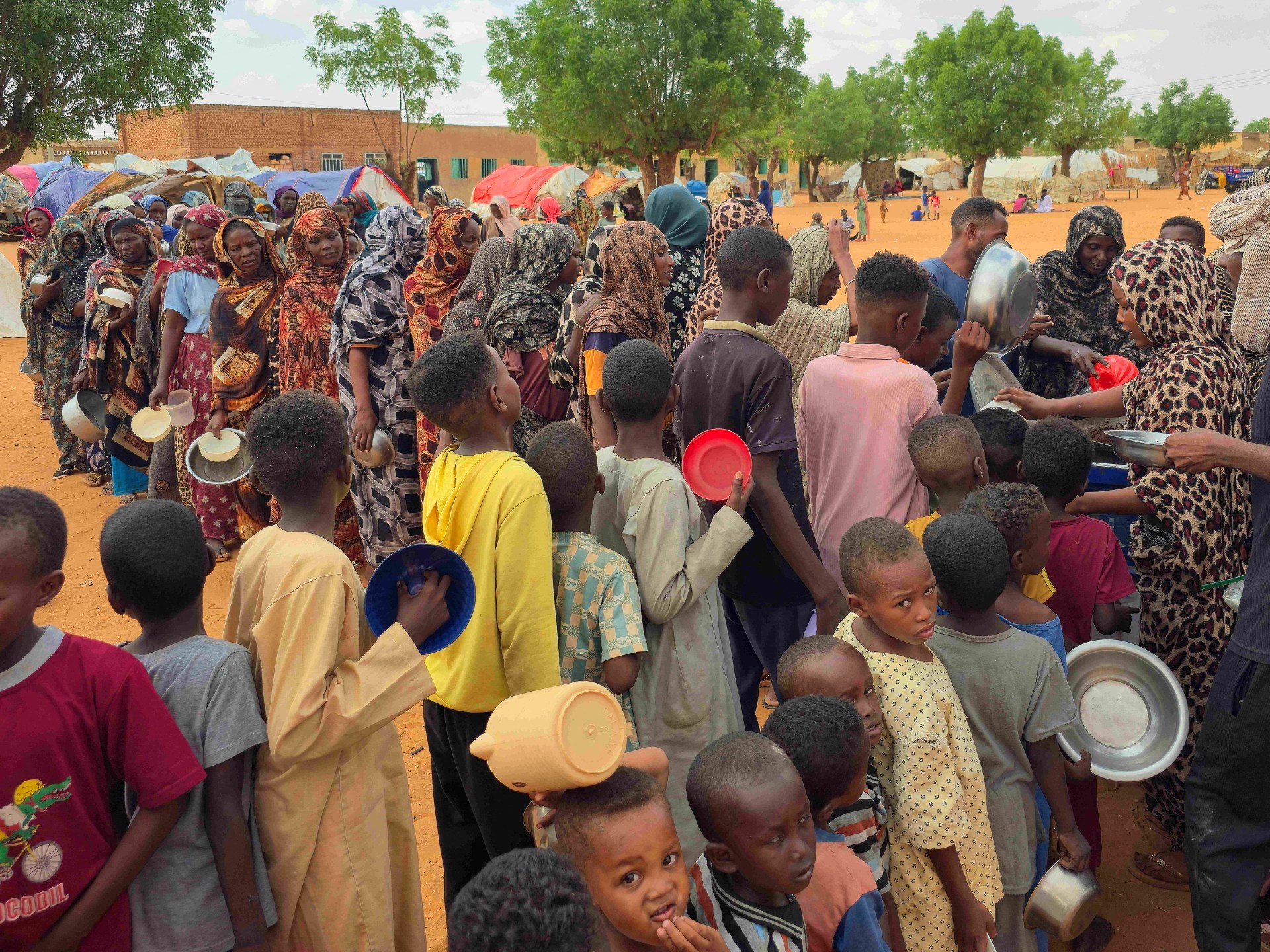
The UN Human Rights Council is set to hold an urgent debate Friday on the worsening crisis in el-Obeid, the capital of Sudan’s North Kordofan state. International organisations say the city, a key military and transport hub, could face a humanitarian disaster as the Rapid Support Forces intensify pressure around it.
Al Jazeera reported that drones have struck civilian areas while RSF reinforcements have gathered outside the city. The concern among aid and rights groups is that el-Obeid could see mass killings similar to those reported after the fall of el-Fasher.
Why el-Obeid is central to the war
El-Obeid sits on a major route between Khartoum and Darfur, about 550km, or 340 miles, southwest of the capital. According to Al Jazeera, it is also home to the Sudanese Armed Forces’ 5th Infantry Division, known as Al-Hagana or the “Camel Corps,” as well as an airbase, a major oil pipeline and a large gum arabic market.
The city had about 500,000 residents and has taken in nearly 100,000 people displaced by fighting in Darfur and other areas, Al Jazeera reported. Kholood Khair, a Sudan affairs researcher, described the fight for el-Obeid as a struggle over “power, land and money.”
The siege has driven food prices up by as much as 300 percent, according to the report. Many residents are unable to pay the higher costs or leave for safer areas.
Civilian services hit
Al Jazeera said an open-source investigation found damage to at least 16 civilian and service sites, including hospitals, schools, power stations and fuel depots. In one attack, eight students at Jeel Al-Raid school were wounded when drone shrapnel entered classrooms during lessons.
Attacks have disrupted power and water supplies. Al Jazeera cited Aqsam Mohammed, 35, who said she had to walk long distances to find cloudy water that was not safe to drink for her seven children.
Nihad al-Tayeb of the Armed Conflict Location and Event Data Project reported RSF movements about 60km east, south and west of el-Obeid. Mohamed Rifaat of the International Organization for Migration warned that the city was nearing a complete siege that could leave civilians unable to leave or return safely.
Rifaat said conditions could come to resemble el-Fasher, where UN estimates cited by Al Jazeera say more than 6,000 people were killed in the first three days after the city fell. Amnesty International accused the RSF on Thursday of crimes against humanity and ethnic cleansing during massacres in el-Fasher.
Calls for a truce
A coalition of 46 Sudanese, regional and international nongovernmental organisations has called for an unconditional humanitarian truce, warning of an imminent catastrophe. The Human Rights Council debate was requested by a group of countries including Britain, Germany, Ireland, the Netherlands and Norway.
That group warned that about 500,000 civilians could be targeted in large-scale atrocities, according to the UN announcement cited by Al Jazeera.
Diplomatic efforts have made little visible progress. Sudan’s foreign ministry recently denied rejecting a US proposal to end the war and called remarks by Massad Boulos, an adviser to US President Donald Trump, “inaccurate.” The ministry said it had engaged constructively with the proposal and remained committed to the May 2023 Jeddah declaration.
This story draws on original reporting from Al Jazeera.