
US moves to loosen commercial fishing rules on coasts
The Trump administration says the effort will boost seafood production, while reopening New England scallop grounds remains unresolved.
By Sofia Marchetti · World Affairs Correspondent
3 min read
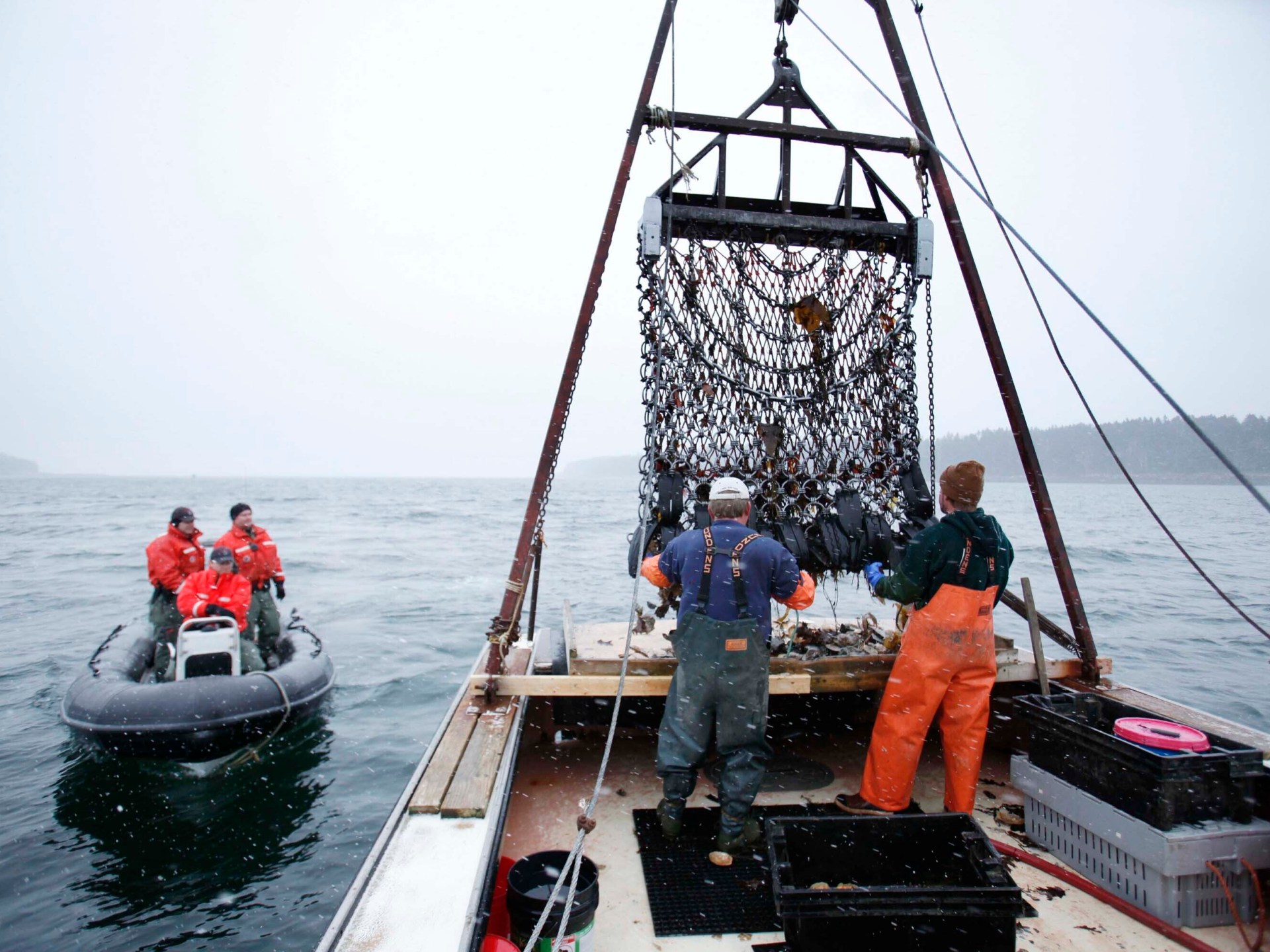
The Trump administration is moving to scale back commercial fishing restrictions around the United States, including a push to revisit limits on scallop harvesting in New England waters. The effort matters because it could alter access to fishing grounds that regulators closed after severe overfishing damaged fish populations.
The US Department of Commerce and the National Oceanic and Atmospheric Administration announced regional priorities that the government said are intended to revive the seafood sector. White House adviser Peter Navarro told reporters on Thursday that the administration was opening fishing access in both the Atlantic and Pacific and said consumers would benefit.
President Donald Trump promoted the action in a Truth Social post, saying he was declaring a national scallops day and portraying the move as support for fishermen. He also urged voters to support Republicans in the midterm elections.
NOAA’s timeline and method for carrying out the priorities were not clear, according to the account of the announcement. The effort follows an April 2025 executive order from Trump that directed the Commerce Department to ease fishing rules and open marine monuments to commercial fishing. NOAA describes marine monuments as protected areas of the marine environment that it manages with other partners.
A senior administration official said the objective was to defend the domestic fishing industry, increase productive harvests and support US fishermen.
Georges Bank restrictions under review
Navarro said the scallop issue came up during an Oval Office meeting between Trump and scallop fishermen, who objected to being blocked from fishing in parts of Georges Bank. The area lies between Cape Cod in Massachusetts and Cape Sable Island in Nova Scotia, with its northern edge off New England closed to scallop fishing.
Navarro said the administration would address the restrictions in a way that accounted for environmental and conservation concerns. He said the New England Fishery Management Council would be involved in the process.
Federal officials closed a large section of Georges Bank fishing grounds in 1994. According to the American Museum of Natural History in New York, a National Marine Fisheries Service assessment that year found cod stocks on Georges Bank had fallen 40 percent over four years and concluded that the fishing fleet was about twice what the area could sustain.
The New England Fishery Management Council voted in 2024 against reopening those grounds, which are also Atlantic cod spawning areas, in order to protect long-term scallop productivity. Council spokesman Alexander Dunn said the council had discussed resuming work on possible scallop access along the northern edge of Georges Bank but chose not to make it a 2026 priority. Dunn said the matter could return at the council’s September meeting.
The American Museum of Natural History says Georges Bank is part of a chain of shallow submerged plateaus that once supported rich fishing grounds before heavy overfishing pushed some fish populations close to extinction.
Broader regulatory changes
NOAA’s other stated priorities include reviewing restrictions, permit rules, accountability measures, fishing boundaries and stock definitions along the Atlantic, Gulf and Pacific coasts.
The US fishing industry is valued at $320bn and depends on NOAA to oversee coastal fisheries. NOAA’s National Marine Fisheries Service develops management plans for 45 fisheries, including quotas and seasonal openings and closures, in consultation with federal scientists and local fishermen.
This story draws on original reporting from Al Jazeera.