
Volker Turk reappointment as UN rights chief draws US, Israeli objections
UN members backed Volker Turk for another four years, despite opposition from the US, Israel, Russia, North Korea and six others.
By Lucas Ferreira · Science & Environment Writer
3 min read
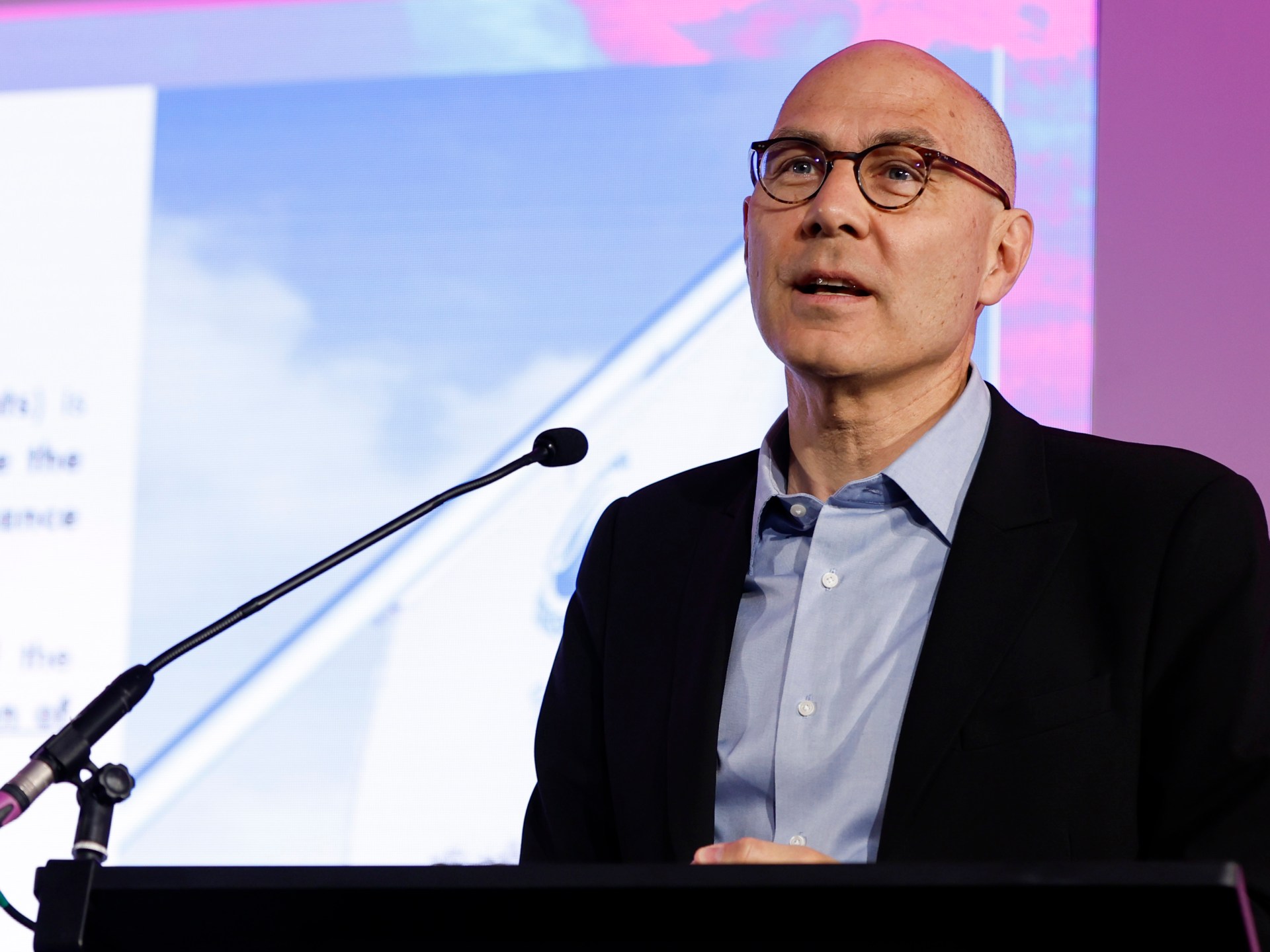
Volker Turk’s reappointment as the United Nations human rights chief cleared a UN member-state vote on Friday, keeping a frequent critic of Israel’s conduct in Gaza in one of the world body’s most visible rights posts. Al Jazeera and Reuters reported that member states backed him 144-10, with 13 abstentions.
Turk’s current term had been due to end on October 11. The vote gives him another four years as UN High Commissioner for Human Rights.
If Turk completes the new term, he would become the first person to finish a second term in the job since the position was created in 1993, according to Al Jazeera and Reuters. The United States, Israel, Russia, North Korea and six other countries voted against him.
Turk thanked member states after the vote, writing on social media that he was “deeply grateful” and would give his all for human rights “for everyone, everywhere.”
Why did the US and Israel oppose Volker Turk?
Israel’s Ministry of Foreign Affairs sharply criticised Turk’s record, accusing his office under his leadership of erasing the October 7 atrocities, misusing funds and abandoning UN neutrality in favour of what it called political radicalism. The ministry’s statement reflected anger in Israel over Turk’s repeated criticism of Israeli actions in Gaza, Lebanon and the occupied Palestinian territory.
Turk has urged Israel to comply with international humanitarian law and has said the state is accountable for any human rights violations it commits, according to Al Jazeera and Reuters. He has also criticised what he described as a lack of accountability for abuses in the occupied Palestinian territory.
Jeff Bartos, the US representative for UN Management and Reform, said the UN human rights system had been losing credibility for decades and accused Turk of worsening that decline. The US Department of State also criticised the process, calling the vote rushed and accusing Turk of ignoring real atrocities while pursuing what it called a radical ideological agenda.
The United States has been Israel’s leading ally and weapons supplier, according to Al Jazeera and Reuters. Israel has faced accusations from leading rights groups and UN experts of severe abuses in Gaza, including claims that it has committed genocide; Israel’s critics cited those allegations in the broader debate over Turk’s record.
How did the UN move to keep Turk in the job?
UN Secretary-General Antonio Guterres notified regional groups at the UN earlier this month that he intended to reappoint Turk, then brought the matter to a vote within weeks, according to Al Jazeera and Reuters. Guterres, whose own term ends in December, faced criticism over that timetable.
The European Union’s delegation at the UN welcomed the result. It said it looked forward to working with Turk’s office to promote and protect human rights around the world.
Turk is a lawyer by training and has spent much of his career in the United Nations system, including posts at UNHCR, the UN refugee agency. His second term will keep him at the center of disputes over how the UN addresses conflicts, state abuses and accountability claims.
This story draws on original reporting from Al Jazeera.