
Vance says inspectors will return to Iran under tentative war deal
The US vice president said Hormuz traffic will face no tolls during a 60-day period, while Iranian and US accounts of sanctions relief diverged.
By James Whitfield · Staff Writer
3 min read
US Vice President JD Vance said nuclear inspectors would return to Iran under a tentative agreement aimed at ending nearly four months of fighting, according to NBC News. His comments matter because the deal’s core terms remain disputed, including sanctions relief, frozen Iranian assets and control of shipping through the Strait of Hormuz.
Al Jazeera reported that the United States and Iran announced on Sunday that they had agreed to a memorandum of understanding to stop hostilities. The document has not been fully released, and Vance described it in US media interviews as a general text of about a page and a half.
Vance used a series of television appearances to defend the deal and outline limited details, according to Al Jazeera’s summary of US broadcasts. NBC News reported that he said nuclear inspectors “absolutely” would return to Iran, while CNBC reported that he said there were still “a lot” of details to settle and that the United States held “all the cards.”
The Strait of Hormuz, a key route for energy shipments, remains central to the arrangement. President Donald Trump said the waterway would be “open to all” on Friday, while Vance said there would be no tolls on traffic during the 60-day period covered by the agreement, according to Al Jazeera.
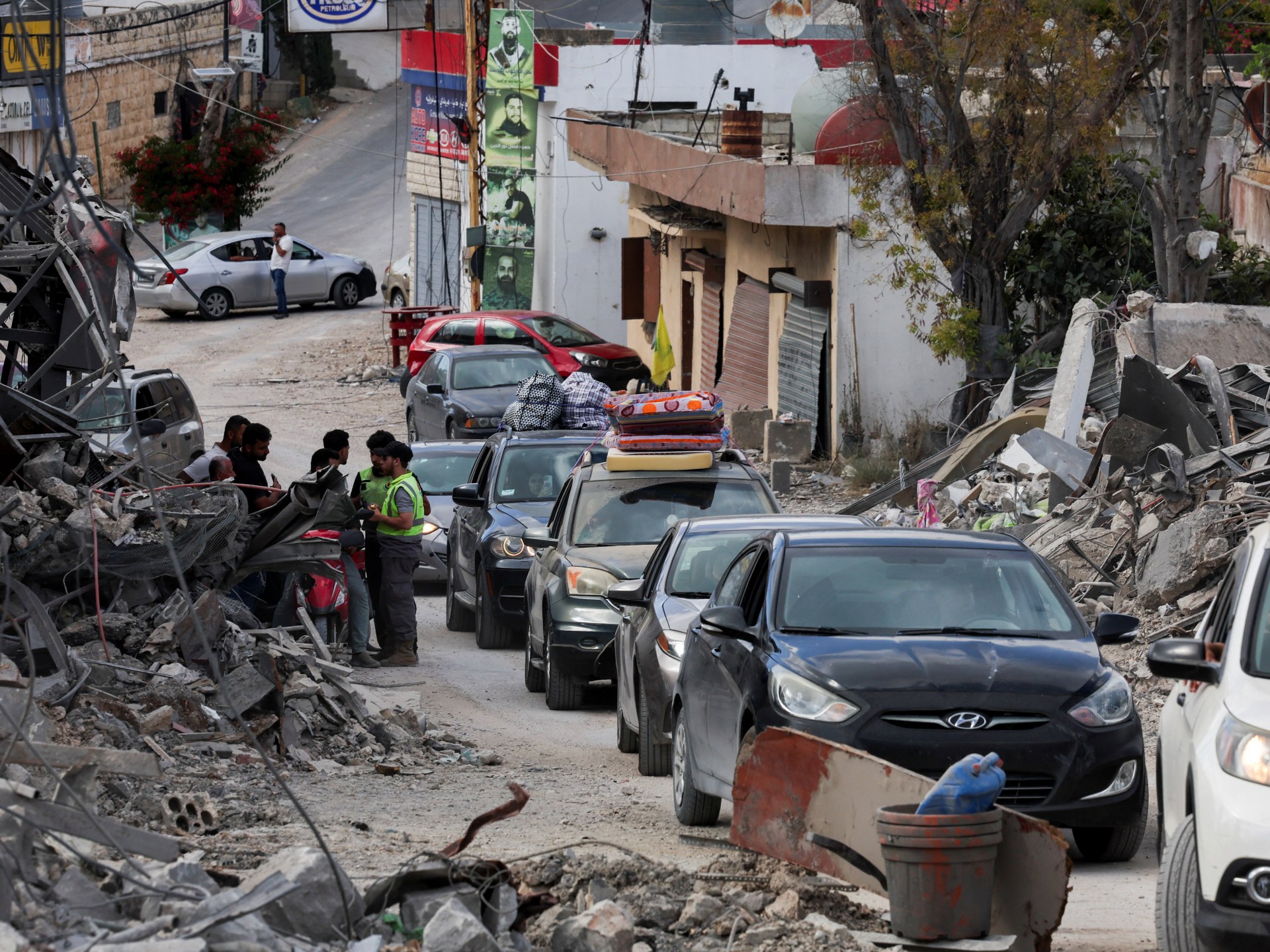
Iran’s National Security Council said on Monday that the agreement ends fighting on all fronts, including in Lebanon, and lifts the US naval blockade on Iranian ports, according to Al Jazeera. Both governments have said that talks on Iran’s nuclear programme and sanctions relief would continue after the memorandum is formally signed in Switzerland on Friday.
The two sides are giving different accounts of the economic terms. A senior Iranian official told Reuters that Washington had agreed to release $25bn in frozen Iranian assets and waive oil sanctions for a defined period. Vance denied that account in US media interviews, saying there had been no sanctions relief or release of frozen assets by Washington or its allies, according to Al Jazeera.
The agreement has drawn scrutiny in Washington. Democratic Representative Betty McCollum said the memorandum appeared to extend an earlier ceasefire by 60 days and warned that deeper issues still had to be addressed, according to Al Jazeera. Representative Diana DeGette called the war a “spectacular failure” and said skepticism over the deal was warranted, while Senator Andy Kim said the public deserved to see the agreement’s contents.
In Iran, confidence also appears limited. Al Jazeera correspondent Maziar Motamedi reported from Tehran that many residents remain doubtful that the crisis is over, citing unresolved questions about the nuclear programme, US sanctions and frozen assets.
Shipping groups warned that a paper agreement may not quickly restore normal movement through Hormuz. Saman Rezaei, head of the Iranian Merchant Mariners Syndicate, told Al Jazeera that about 22,000 seafarers had been stranded in the Gulf for nearly four months and that some had suffered serious injuries.
Rezaei said the first priority should be the safe departure of seafarers, regardless of the political outcome. He said Iran was expected to begin mine removal efforts during a 30-day window after the signing, but added that safety checks could take 40 to 50 days and that insurance costs and mistrust could delay a full recovery for up to eight months.
This story draws on original reporting from Al Jazeera.