
Vance defends Iran agreement as US lifts port blockade
US officials say a memorandum with Iran has safeguards, while Republican critics say sanctions relief gives Tehran too much.
By Daniel Okafor · Business Editor
3 min read
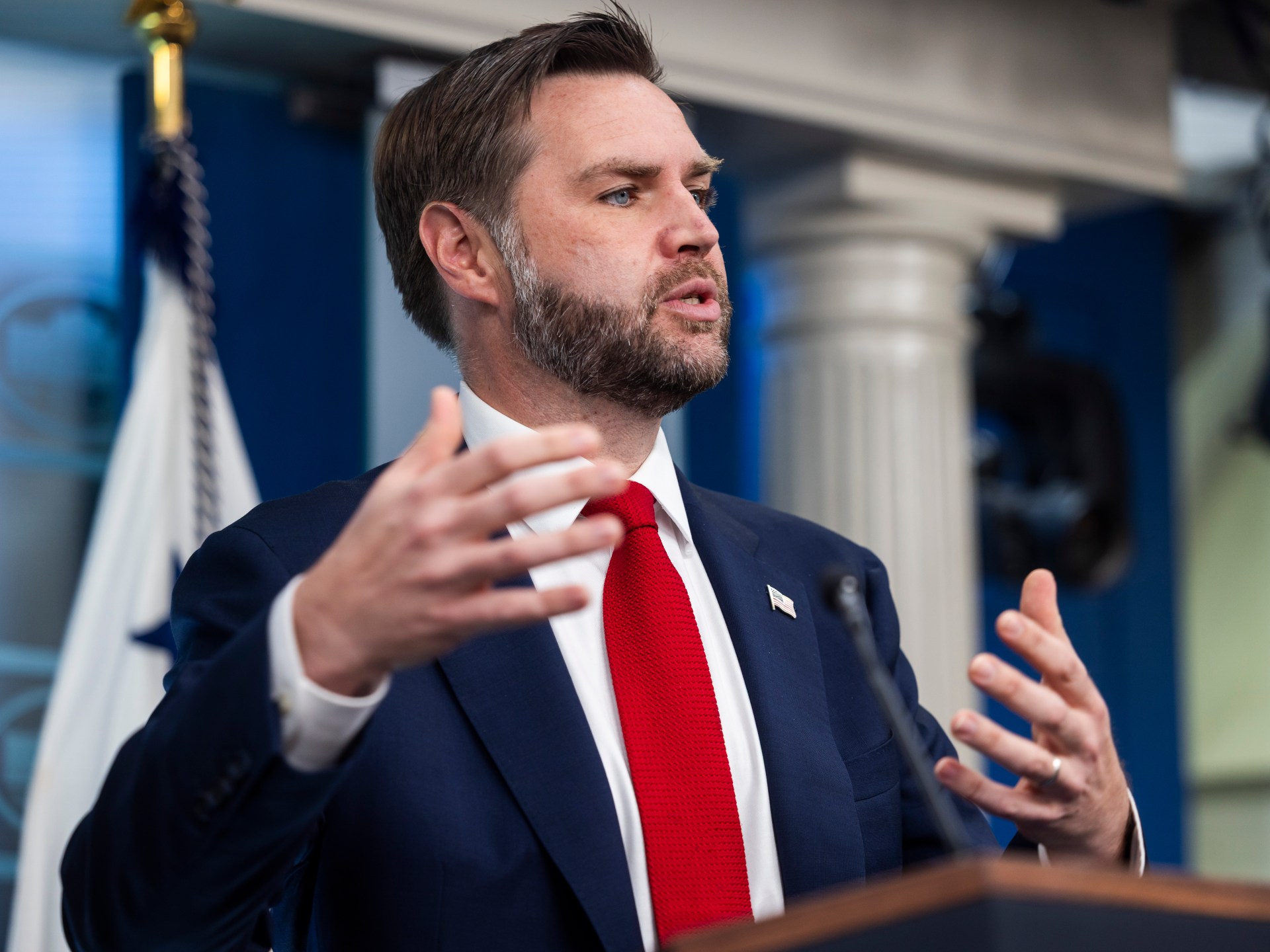
The Trump administration is defending a new memorandum of understanding with Iran as US Central Command says it has ended a blockade affecting maritime traffic around Iranian ports and coastal areas. The agreement is in effect and is meant to reopen the Strait of Hormuz, begin talks on Iran’s nuclear programme and end the United States and Israel’s war on Iran, Al Jazeera reported.
Vice President JD Vance has argued that the deal serves US interests and contains protections tied to Iran’s conduct, according to Al Jazeera correspondent Mike Hanna in Washington. Vance also rejected criticism that the arrangement sends American money to Tehran, saying that “not a cent” of US funds is part of the settlement, Hanna reported.
The defence comes after Republican members of Congress, especially hawkish lawmakers, accused the administration of giving Iran too much under the memorandum, Al Jazeera reported. Their objections focus in part on an immediate waiver of sanctions on Iranian oil exports, which critics cast as a sign that Washington is taking too soft a line with Tehran.
Administration officials counter that the sanctions provisions are tied to nuclear negotiations and that the memorandum depends on Iranian compliance, according to Hanna. Vance is trying to persuade the US public that the agreement includes safeguards and benefits both countries, Al Jazeera reported.
Hormuz traffic and oil exports
US Central Command said it had lifted a blockade “on all maritime traffic entering and exiting Iranian ports and coastal areas,” according to Al Jazeera. The announcement matters because the Strait of Hormuz is a key route for commercial vessels and energy shipments in and out of the Gulf.
Iran’s Supreme National Security Council said the Persian Gulf Strait Authority has been told to issue permits as quickly as possible for commercial ships seeking to pass through the Strait of Hormuz, Al Jazeera reported. The measure follows the memorandum’s entry into force and the reopening process for the waterway.
Al Jazeera also reported that the agreement could affect Iran’s oil exports and future production, as the immediate waiver on oil-export sanctions is one of the most contested parts of the deal in Washington. The report did not provide figures for potential export volumes or production changes.
Israeli and Iranian reaction
Vance has also defended the memorandum amid criticism from Israeli officials, Al Jazeera reported. In remarks directed at Israel, he warned that “you can’t kill your way out” of security problems, according to the network.
Iran’s Supreme Leader Mojtaba Khamenei initially opposed the US-Iran deal but approved it after receiving assurances from Iranian leaders that the country’s interests would be protected, Al Jazeera reported. The statement places Iran’s top leadership behind the memorandum while noting internal reservations before approval.
The agreement now faces tests on several fronts: compliance by Iran, the handling of nuclear talks and whether maritime traffic through Hormuz resumes smoothly. In Washington, Vance’s defence shows the administration is also working to contain criticism from within its own party.
This story draws on original reporting from Al Jazeera.