
US-led coalition prepares to complete Iraq withdrawal
The US-led mission is due to end in federal Iraq on September 30, testing Baghdad’s plans for militias, Islamic State threats and ties with Washington.
By Daniel Okafor · Business Editor
3 min read
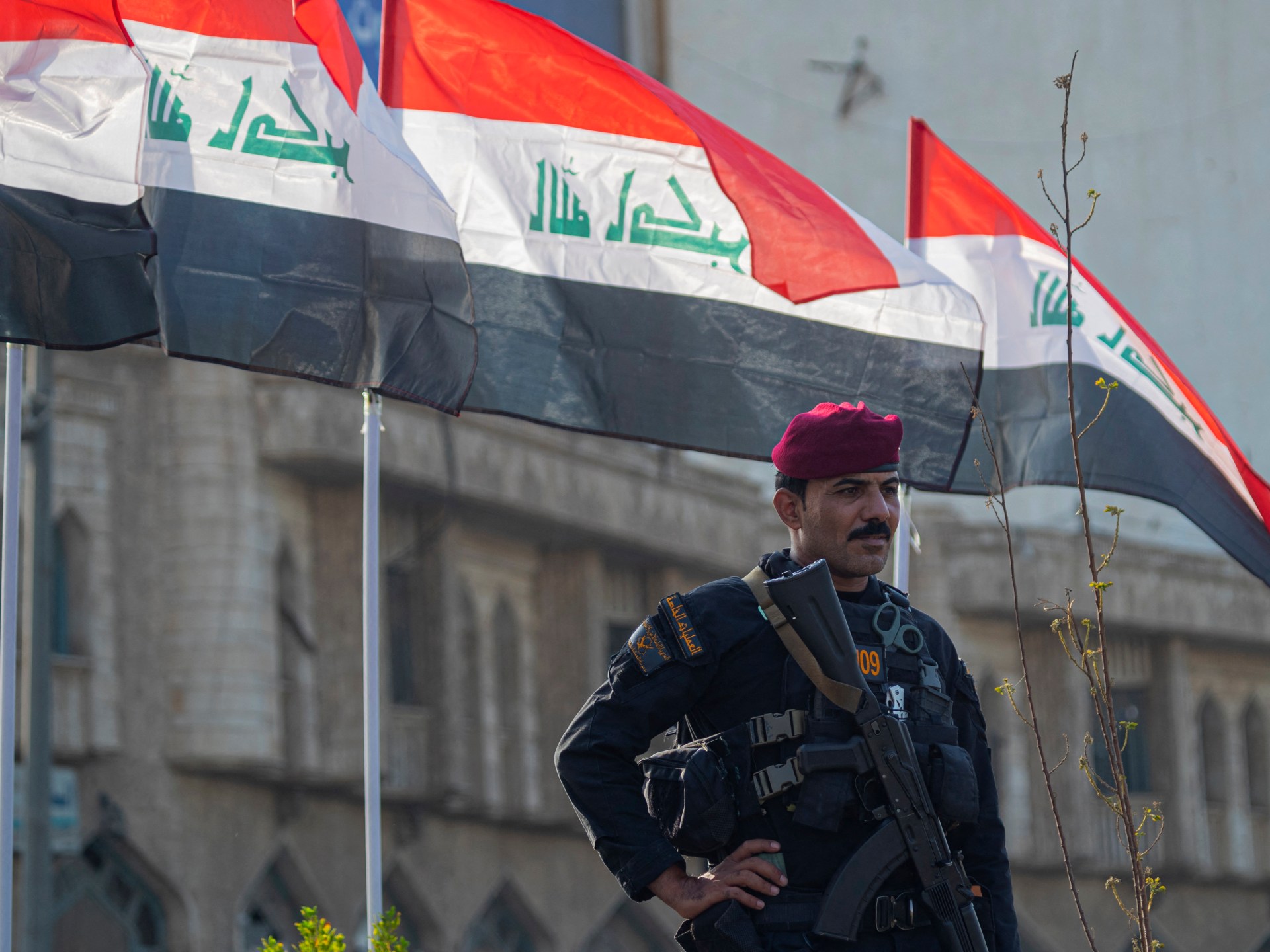
The US withdrawal from Iraq is due to be completed in federally administered parts of the country on September 30 under a 2024 agreement between Baghdad and Washington. The departure ends the US-led coalition’s military mission against Islamic State, leaving Iraq’s government to pursue sovereignty while containing armed groups and retaining cooperation with the United States.
Prime Minister Ali al-Zaidi has cast the exit as a restoration of Iraqi control over its territory. He has also said Baghdad wants its relationships with strategic partners to shift from military work toward economic and development cooperation, according to Al Jazeera.
What does the US withdrawal from Iraq mean?
The coalition mission, Operation Inherent Resolve, began in 2014 to support Iraqi forces fighting Islamic State. It advised, assisted and trained Iraqi personnel after US forces had left Iraq in 2011 and then returned in 2014 amid the group’s advance, DW and Al-Monitor reported.
The scheduled departure concludes more than two decades of US military involvement that began with the 2003 invasion. It does not end every foreign military deployment in Iraq: Turkey still has troops there and has said it will gradually transfer a northern base to Baghdad, according to DW.
Baghdad faces a deadline on armed groups
The more immediate domestic test is Baghdad’s effort to bring weapons under state authority. The government has moved its deadline to disarm or integrate armed groups into national forces to June 30, 2027, DW reported.
That policy faces resistance. DW reported that Kata'ib Hezbollah has rejected Baghdad’s disarmament and integration plan. Al-Zaidi has said his government wants decisions on war and peace, as well as weapons and other instruments of power, to remain with constitutional institutions, Al Jazeera reported.
Douglas Silliman, a former US ambassador to Iraq and Kuwait, told Al Jazeera that ending the US presence could weaken one argument armed factions have used for retaining their weapons: opposition to foreign forces. That is an assessment of Baghdad’s political strategy, rather than evidence that the groups will surrender their arms.
Risks around Iran and Islamic State
Iraq has maintained ties with both Washington and Tehran, and its territory has at times become a proxy battleground, Reuters reported. Iran-aligned armed groups have celebrated the coalition’s departure, while analyst Jasim al-Bahadli told Reuters that removing the coalition could eliminate a military counterweight to Iranian influence.
Baghdad also wants to avoid a rupture with Washington. Renad Mansour of Chatham House told DW that Iraqi leaders seek to demonstrate that Iraq remains a US ally, while worrying Washington could view the country and its Iran-backed militias as too close to Tehran.
Security officials in Iraq’s federal government and the Kurdish region have separately warned that Islamic State sleeper cells remain a concern. Reuters reported that they fear the loss of US intelligence, logistics and drone support could give the group an opportunity to regroup; that remains a risk cited by officials, not a predicted outcome.
This story draws on original reporting from Al Jazeera.