
US-Saudi nuclear deal spotlights Middle East programs
Washington’s 30-year civilian nuclear pact with Riyadh has drawn attention to other nuclear programs and arsenals across the region.
By Sofia Marchetti · World Affairs Correspondent
3 min read
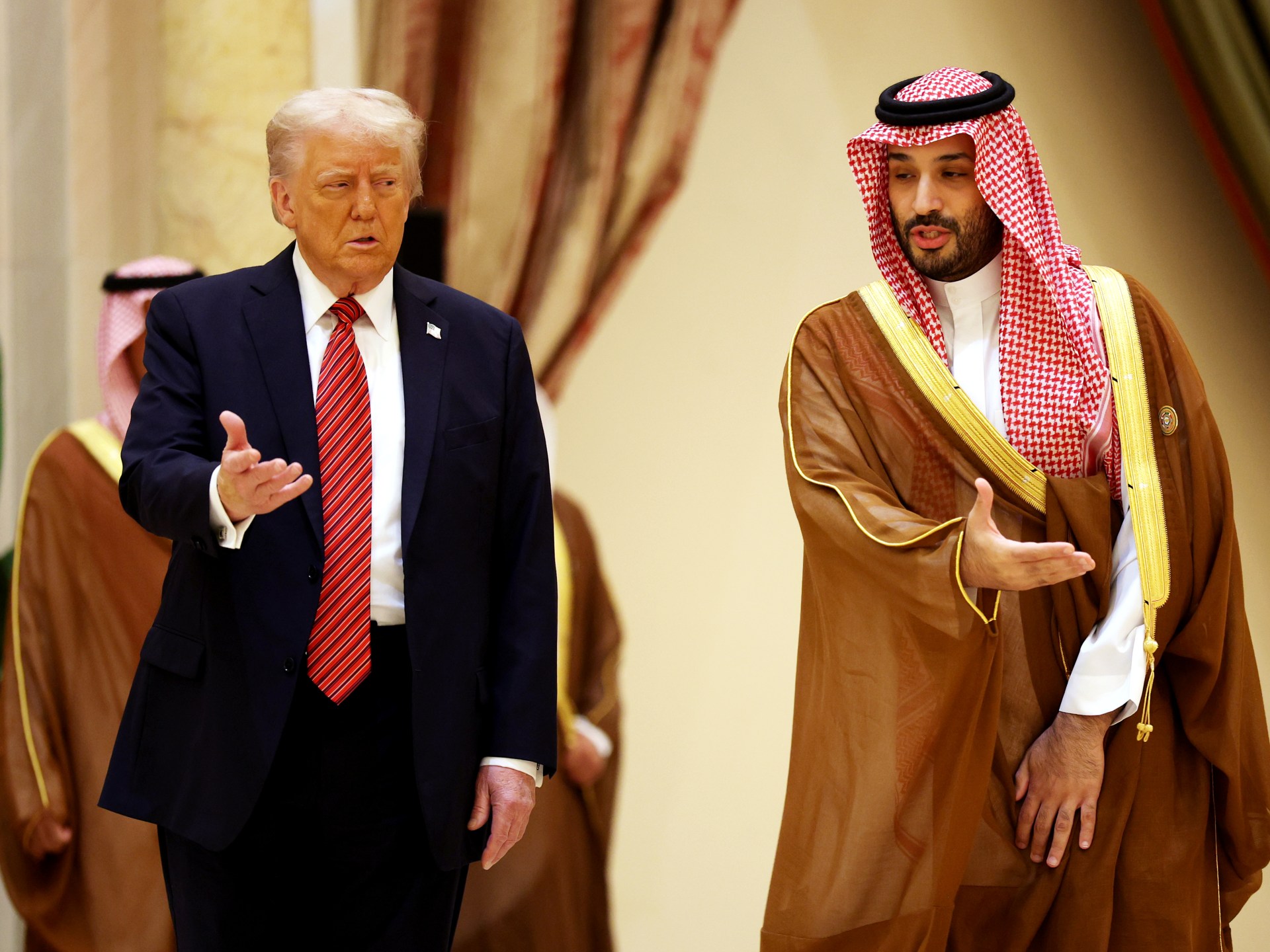
The United States and Saudi Arabia have signed a 30-year civil nuclear cooperation agreement, a move that could help Riyadh build a nuclear energy program with American technology. Al Jazeera reported that the deal has renewed questions about nuclear safeguards in a region where several states already have civilian programs, and where Israel is widely believed to possess nuclear weapons.
US Energy Secretary Chris Wright and Saudi Energy Minister Abdulaziz bin Salman signed the agreement on Wednesday, according to Al Jazeera. The pact is known as a 123 agreement because such deals are authorized under Section 123 of the US Atomic Energy Act, allowing US companies to transfer nuclear technology overseas.
Al Jazeera reported that Washington and Riyadh also signed a separate bilateral safeguards agreement, though details of both documents remain unclear. The International Atomic Energy Agency was not part of the bilateral deal, according to Al Jazeera, and Saudi Arabia is not a member of the Nuclear Suppliers Group, which controls trade in sensitive nuclear materials and technology.
US Secretary of State Marco Rubio said Wednesday in the Philippines that Washington would not make an agreement that creates a proliferation risk, according to Al Jazeera. The deal will go to Congress for review and could take effect after a 90-day period if opponents do not form a blocking majority, Al Jazeera reported.
Programs across the region
- Iran: Al Jazeera reported that Iran began its nuclear program in 1957 with US help under President Dwight D. Eisenhower’s civilian nuclear initiative and signed the Nuclear Non-Proliferation Treaty in 1974. The IAEA later found that Iran had secretly built enrichment sites at Natanz, Isfahan and Fordow with Pakistani help, prompting sanctions and allegations that Tehran sought nuclear weapons. Iran has repeatedly said its program is civilian, according to Al Jazeera.
- Israel: Israel does not confirm or deny having nuclear weapons and is not a party to the NPT, according to Al Jazeera. The Nuclear Threat Initiative says Israel has had nuclear weapons since the 1960s and estimates its arsenal at about 90 warheads, with enough uranium and plutonium stockpiled for as many as 300 more. Al Jazeera reported that Israel’s Dimona facility was built with French help in 1957.
- United Arab Emirates: The UAE launched a civilian nuclear program in 2009 through a 123 agreement with the US, according to Al Jazeera. The Barakah Nuclear Energy Plant uses four South Korean-designed reactors with US technology and produces about 5,600 megawatts, roughly a quarter of the country’s electricity demand. Al Jazeera reported that the IAEA has full access to the site.
- Turkiye: Turkiye is an NPT signatory and does not have its own nuclear weapons, according to Al Jazeera, though US nuclear weapons are stationed there under NATO arrangements. Its Akkuyu plant, designed and maintained by Russia, can produce up to 4,800 megawatts, about 10 percent of national electricity supply. Al Jazeera reported that Russia controls the plant’s spent fuel.
- Egypt: Egypt has a civilian program for electricity and seawater desalination, according to Al Jazeera. Russia is building the El-Dabaa Nuclear Power Plant, which could generate up to 4,800 megawatts by 2028. Al Jazeera reported that Egypt pursued a military program under Gamal Abdel Nasser in the 1960s, but it failed.
- Iraq: Al Jazeera reported that Iraq sought nuclear weapons under Saddam Hussein in the 1970s and bought the Osiraq reactor from France. Iran, Israel and the US later struck nuclear sites in Iraq, and the IAEA confirmed after the 2003 US-led invasion that the program had been dismantled. Iraq has more recently sought Chinese and Russian help for nuclear power plants, according to Al Jazeera.
Al Jazeera also noted Pakistan’s role just outside the Middle East. The Stockholm International Peace Research Institute estimates Pakistan has 170 nuclear warheads, while India has 190; neither country has signed the NPT.
This story draws on original reporting from Al Jazeera.