
US pump prices may stay elevated for months after Iran deal
Oil prices fell after a preliminary US-Iran deal, but analysts say fuel, shipping and food costs could take months to ease.
By Sofia Marchetti · World Affairs Correspondent
4 min read
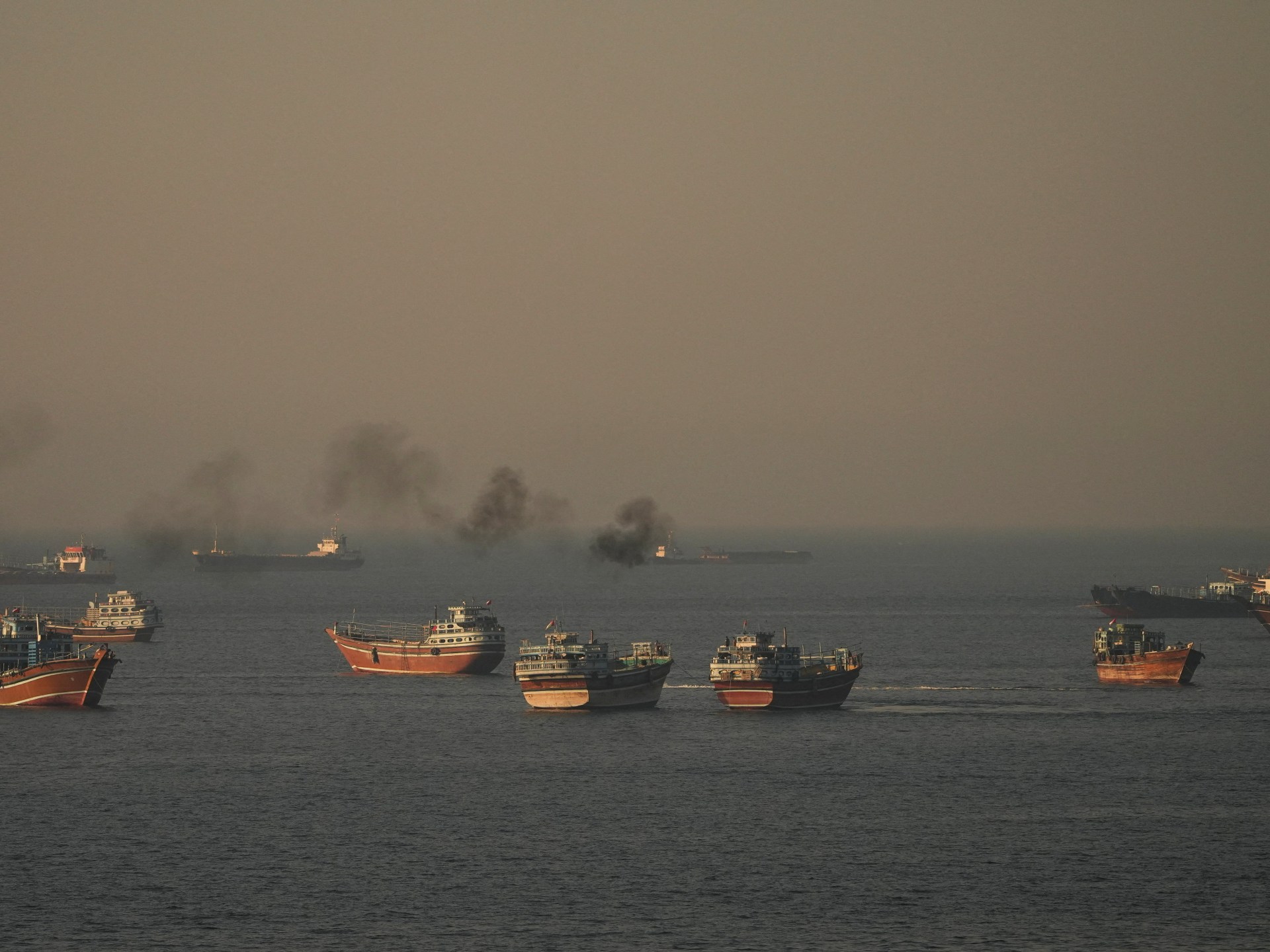
Oil prices fell to a three-month low after a preliminary agreement aimed at ending the war and reopening the Strait of Hormuz, Al Jazeera and Reuters reported. For US drivers, analysts say the drop in crude markets is unlikely to bring fast relief at petrol stations because supply chains, inventories and shipping routes remain strained.
The Strait of Hormuz had been shut for more than three months, disrupting a route that normally carries about one-fifth of the world’s oil and liquefied natural gas, according to Al Jazeera. US President Donald Trump said Sunday that prices would “drop like a rock” once traffic through the strait resumes, a prediction he has made in recent weeks.
Fuel experts told Al Jazeera that prices could fall in the near term but may not return quickly to levels seen before the war. The American Automobile Association said the average US petrol price was $4.06 a gallon on Monday, down from $4.48 in early May but still above the $2.98 recorded on February 28, when the US and Israel first struck Iran.
Inventories and ports remain tight
Patrick De Haan, head of petroleum analysis at GasBuddy, told Al Jazeera the weekend agreement could allow prices to move lower within days. He also said US petrol may not return to pre-war levels until 2027 if global oil inventories need many months, or more than a year, to recover.
The Labor Department’s Bureau of Labor Statistics said US energy prices rose 7.7 percent over the past two months and 40 percent from a year earlier, according to last week’s inflation report cited by Al Jazeera. The broader consumer price index was up 4.2 percent from a year earlier.
The International Energy Agency said more than 14 million barrels a day of production, equal to 14 percent of global demand, had been offline during the war, Al Jazeera reported. John Deal, managing director of capital markets at the Post Oak Group investment bank, told Al Jazeera that companies and government stockpiles, including the US Strategic Petroleum Reserve, still need to rebuild supplies and complete contracts delayed during the conflict.
Deal said US petrol prices may not return to pre-war levels until after the summer, possibly September or October, because demand remains strong. Mark Jones, a political science professor at Rice University, told Al Jazeera that some producers may wait to see whether the ceasefire lasts before spending money to restart operations.
The reopening agreement covers a 60-day negotiation period between the US and Iran, according to Al Jazeera. Bader Nooruddin, head of research at Vitol Bahrain, told Reuters that refineries closed as a precaution could reach as much as 95 percent capacity within 40 to 60 days, while damaged facilities could take longer.
Shipping delays may be one of the largest obstacles. Kpler shipping data cited by Al Jazeera showed more than 500 vessels still waiting to pass, while Bloomberg analysis said an average of 10 ships a day moved through the strait during the war compared with 135 in normal conditions.
Norway’s Wallenius Wilhelmsen and Denmark’s Maersk told Reuters they had not changed Middle East operations after the announcement. Jones told Al Jazeera that tankers may need until early fall to reach destinations, unload and return before shipping patterns resemble pre-war conditions.
Food and air travel costs also face pressure
Al Jazeera reported that the US Strategic Petroleum Reserve has fallen to its lowest level since 1983 and is down 18 percent since the war began. Deal said efforts to refill reserves could keep demand high through the summer, while jet fuel needs during the June-to-August travel season could add pressure.
United Airlines Chief Executive Scott Kirby said in April that the carrier’s fares could rise as much as 20 percent because of higher fuel prices, according to Al Jazeera. The same energy shock has also affected grocery costs, with fertiliser supplies exposed because almost half of global urea is produced in the Gulf region and shipped through Hormuz.
Al Jazeera reported that tomato prices have risen 40 percent over the past year amid higher transport costs and Trump’s tariffs on Mexico. Lettuce rose more than 16 percent in May, and ground beef was about 12 percent higher than a year earlier.
Jones told Al Jazeera that food and manufactured goods prices may not fall in line with oil because businesses often keep higher prices unless sales force reductions. A 2024 Federal Trade Commission investigation cited by Al Jazeera found that some grocery retailers kept prices elevated after pandemic supply problems had eased.
This story draws on original reporting from Al Jazeera.