
US petrol prices rise as Middle East tensions hit oil markets
Oil benchmarks and US pump prices climbed as US-Iran fighting and Houthi threats raised concern over key shipping lanes.
By Sofia Marchetti · World Affairs Correspondent
3 min read
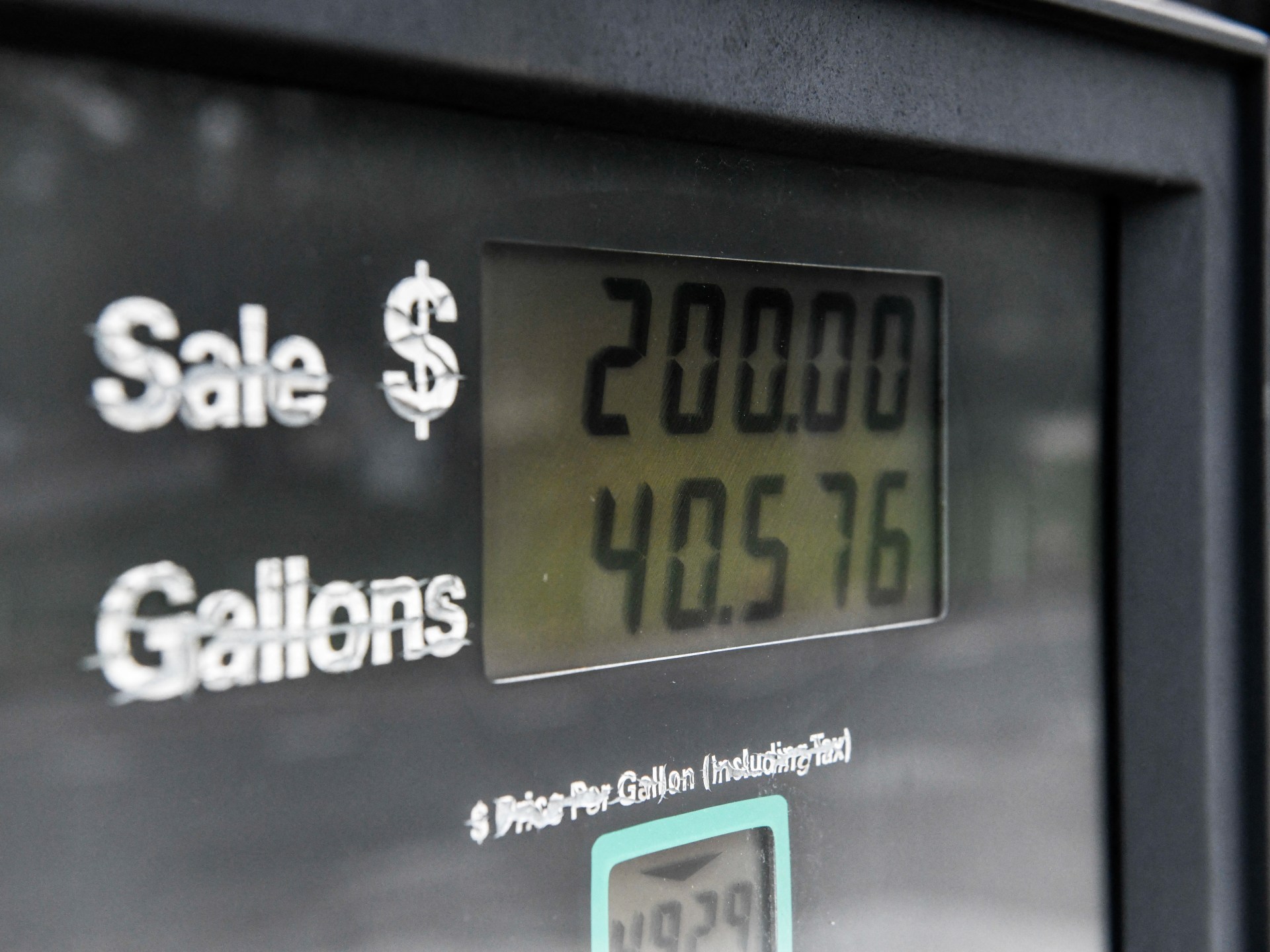
US petrol prices have moved higher as renewed conflict between the United States and Iran unsettles oil markets and raises concern over shipping routes in the Middle East. The pressure is being felt by motorists and traders as attention turns to tanker traffic through the Strait of Hormuz and the Red Sea, according to Al Jazeera and Reuters.
Brent crude reached $91.42 on Sunday before slipping 0.1 percent on Monday to $88.04, according to market data cited by Al Jazeera and Reuters. US West Texas Intermediate rose to $85.39, its highest level since June 12, before easing by 2 cents, or 0.2 percent, to $82.29.
The price moves followed the breakdown of a US-Iran ceasefire, which Al Jazeera and Reuters said renewed fears over tanker movements through the Strait of Hormuz. Before the war, the waterway carried about 20 percent of the world’s oil supply, according to their report.
Al Jazeera and Reuters also reported that Iran has pressed its Houthi allies in Yemen to close the Red Sea shipping route if US attacks on Iranian energy infrastructure continue. The Houthis have announced a naval blockade against Saudi Arabia, adding another risk for shipping in the region.
US drivers face higher pump prices
The average US price for a gallon of petrol topped $4.00, up from $3.87 a week earlier, according to the American Automobile Association, which tracks daily fuel prices. AAA data cited by Al Jazeera and Reuters showed a second straight week of increases.
The rise follows a brief easing in energy costs reflected in US inflation data released last week. The Department of Labor’s Bureau of Labor Statistics said the Consumer Price Index fell 0.4 percent on a monthly basis, helped by a 9.5 percent drop in petrol prices.
Al Jazeera and Reuters reported that the inflation figures covered a short pause in US-Iran tensions before fighting intensified again. The latest fuel-price increase suggests the relief at the pump may have been brief.
Shipping data show reduced traffic
Only 30 vessels passed through the Strait of Hormuz between July 17 and July 19, according to Kpler data cited by Al Jazeera and Reuters. LSEG data showed even thinner weekend traffic, with eight ships transiting the waterway on Saturday and four on Sunday.
Greek shipping company Dynacom Tankers said two projectiles hit two of its ships as they sailed through the waterway near the Omani coast, according to Al Jazeera and Reuters. The company did not say who fired the projectiles.
David Meger, director of metals trading at High Ridge Futures, told Reuters that higher energy prices remained a focus because renewed Middle East tensions could limit the impact of last week’s softer inflation data on Federal Reserve policy expectations.
Markets trade unevenly
US stock markets were mixed on Monday as geopolitical concerns weighed on trading while chip shares gained, according to Al Jazeera and Reuters. The tech-heavy Nasdaq rose 0.6 percent, and the S&P 500 added 0.2 percent in midday trading, while the Dow Jones Industrial Average was down 0.25 percent from the open.
Gold, often treated by investors as a haven during uncertainty, slipped 0.1 percent to $4,011.96 an ounce in midday trading, according to the report. Treasury yields rose 0.5 percent, and the US dollar gained 0.1 percent.
This story draws on original reporting from Al Jazeera.