
US-Iran talks strained by inspections dispute and Senate war vote
Iran denied agreeing to renewed IAEA inspections as US lawmakers moved to limit President Donald Trump’s authority to strike Tehran.
By Sofia Marchetti · World Affairs Correspondent
3 min read
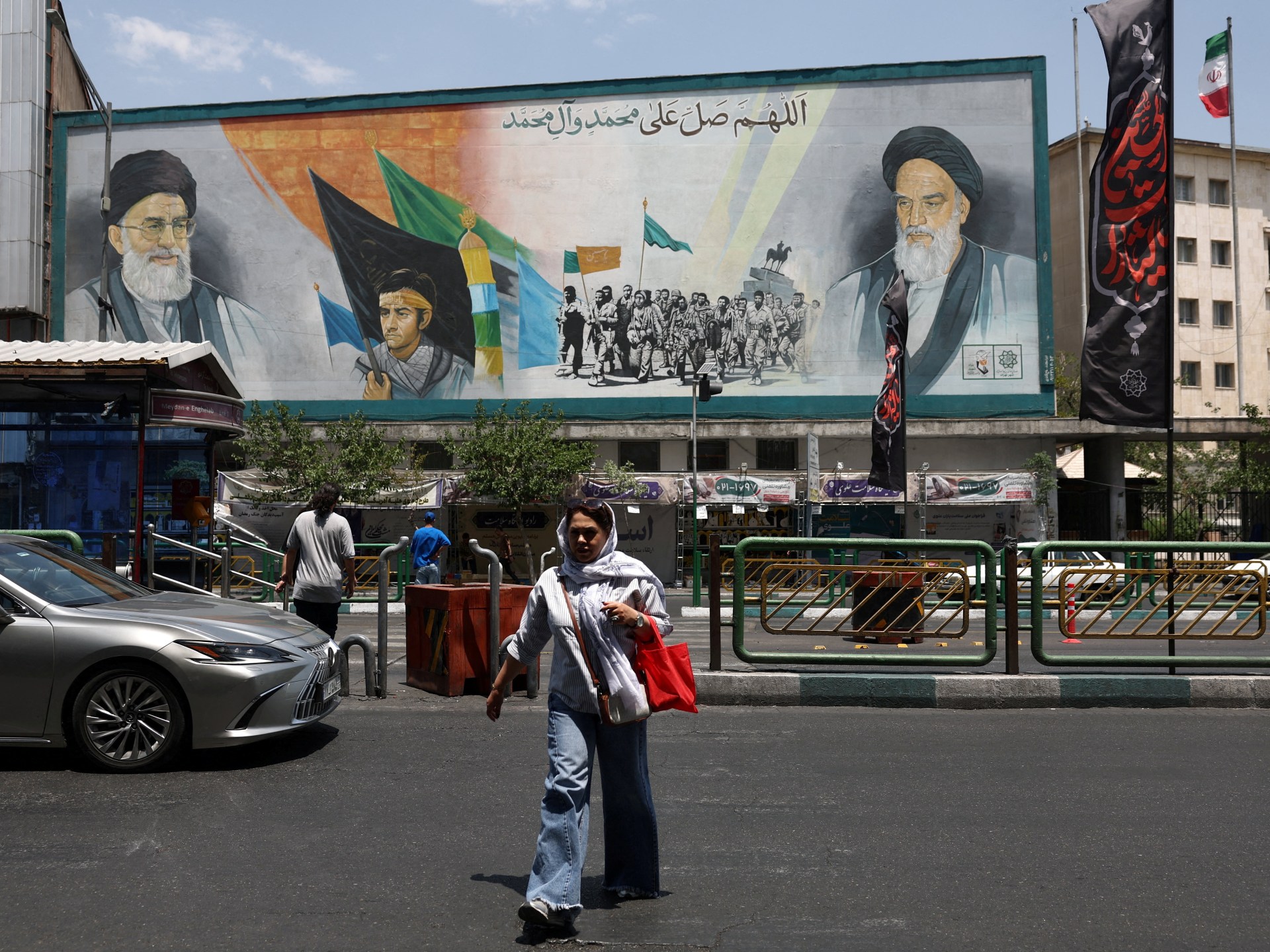
Iran and the United States remain divided over nuclear inspections and the terms of a potential settlement, even as negotiators work inside a 60-day diplomatic window. The dispute matters because any deal would affect nuclear oversight, shipping through the Strait of Hormuz and the risk of further military action.
Al Jazeera reported that US President Donald Trump said Tehran had accepted the “highest level” of monitoring. Iran rejected that account, with Foreign Ministry spokesperson Esmaeil Baghaei saying there were no current plans for visits or inspections by the International Atomic Energy Agency, according to Al Jazeera’s Tohid Asadi.
Baghaei said Iran’s contacts with the UN nuclear watchdog would follow existing procedures, safeguards commitments, parliamentary legislation and decisions by the Supreme National Security Council, Al Jazeera reported. Tehran suspended cooperation with the IAEA after US and Israeli strikes on Iranian nuclear sites in June 2025.
US Secretary of State Marco Rubio said Iran would not be permitted to impose tolls in the Strait of Hormuz under a final agreement, according to Al Jazeera. He said the waterway, a key route for international shipping, must remain open.
Military and diplomatic pressure
Inside Iran, General Ahmad Reza Pourdastan, who heads the Army Strategic Studies and Research Center, said the country’s military posture now includes preemptive operations, according to the semi-official Fars news agency cited by Al Jazeera. Pourdastan said Iran still had unused military capabilities and could surprise enemies if its national interests required it.
Charles Kupchan, a senior fellow at the Council on Foreign Relations, told Al Jazeera he did not believe Washington and Tehran could complete a final agreement within 60 days. Kupchan said talks could extend into the next calendar year and suggested the two sides may continue negotiations while keeping the Strait of Hormuz open.
Rubio is also touring Gulf states, including the United Arab Emirates, Kuwait and Bahrain, Al Jazeera reported. Al Jazeera’s Alan Fisher said Rubio, who also serves as Trump’s national security adviser, is expected to reassure Gulf partners about US security commitments and make the case for the Iran deal at a Gulf Cooperation Council meeting in Bahrain.
Qatar is preparing to restart normal liquefied natural gas production after the interim US-Iran deal, Prime Minister Sheikh Mohammed bin Abdulrahman bin Jassim Al Thani told the Financial Times. Qatar halted output in March after an Iranian drone attack on the Ras Laffan facility, and Sheikh Mohammed said most production could resume within weeks, except at the damaged site.
Congress and allies react
In Washington, the Senate voted 50-48 for a measure requiring congressional approval for further US military action against Iran, Al Jazeera reported. Four Republicans — Bill Cassidy, Lisa Murkowski, Susan Collins and Rand Paul — joined nearly all Democrats in support, while Democratic Senator John Fetterman opposed it.
Al Jazeera reported that the vote marked the first time a war powers resolution tied to the conflict had passed both chambers of Congress. The measure is expected to face a veto from Trump.
In Israel, National Security Minister Itamar Ben-Gvir told Channel 7 that the US would be “very naive” to believe Iran would give up its nuclear programme, according to Al Jazeera. He suggested Israel may act on its own against Iran and said the country should not be bound by pressure from an ally.
In Lebanon, the United Nations said a ceasefire in the south was largely holding, though UN spokesperson Stephane Dujarric said peacekeepers still observed Israeli ground and air activity. Dujarric said UNIFIL troops saw Israeli heavy machine-gun fire and three tank rounds near Biyyada on Monday, as well as drones that appeared to be monitoring peacekeepers, according to Al Jazeera.
This story draws on original reporting from Al Jazeera.