
Gaza diabetes patients struggle to find insulin as supplies run short
Insulin, test strips and monitoring devices have become scarce and costly in Gaza, putting tens of thousands of diabetes patients at risk.
By James Whitfield · Staff Writer
3 min read
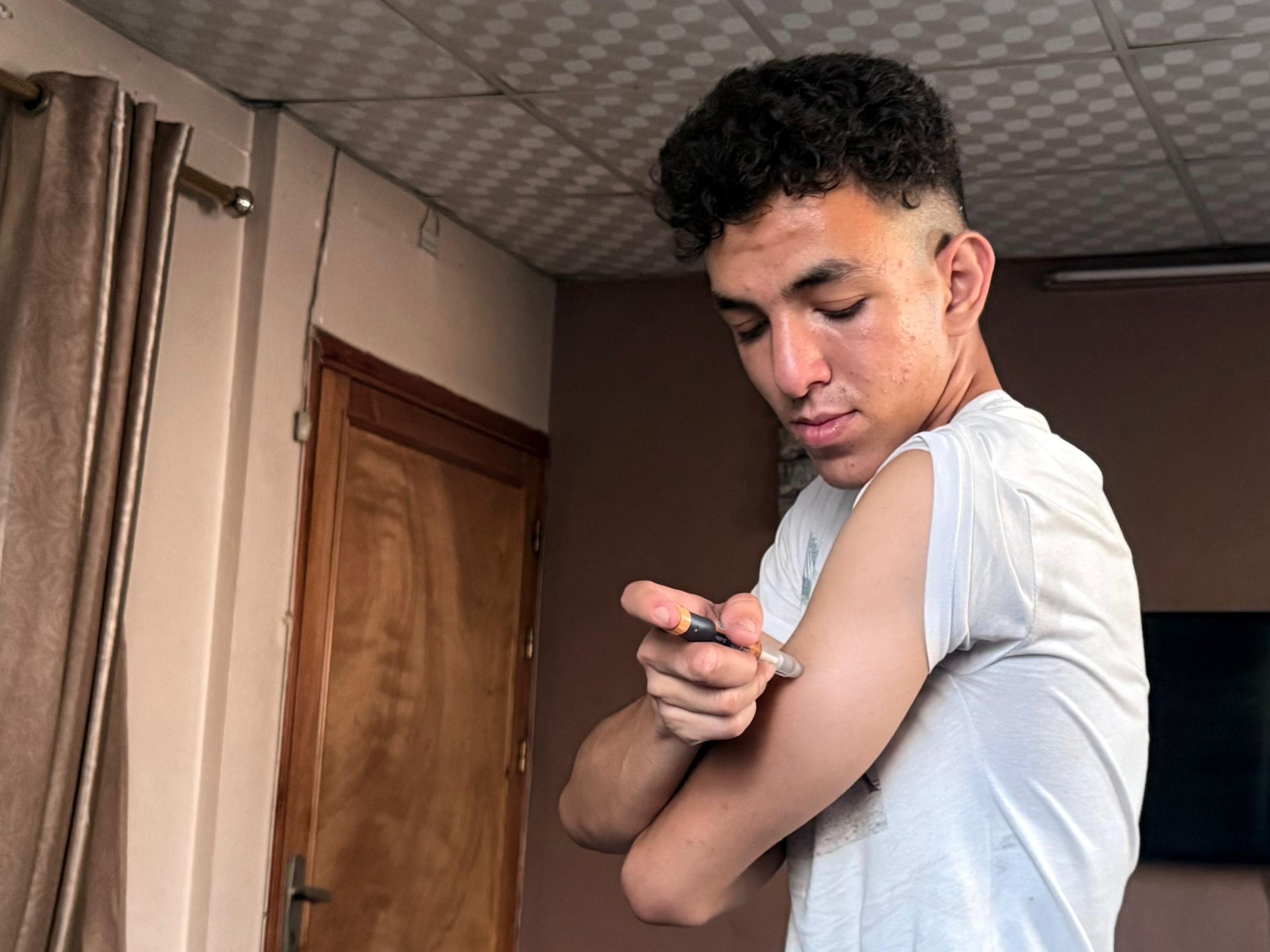
Diabetes patients in Gaza are struggling to obtain insulin and testing supplies as the war and restrictions on medical imports strain an already damaged health system. Al Jazeera reported that shortages, rising prices and poor nutrition have made daily treatment dangerous for people who need constant monitoring.
One of them is Hamza al-Ghazali, a 20-year-old Type 1 diabetes patient from the Zeitoun neighborhood south of Gaza City. According to Al Jazeera, he has repeatedly gone between pharmacies and medical centers looking for insulin since the war began in October 2023 and Israeli limits on medicine and medical supplies tightened.
Type 1 diabetes requires regular insulin and blood sugar checks. Al-Ghazali told Al Jazeera that before the war he could usually buy an insulin pen for 25 to 35 shekels, or about $8.50 to $12. The price later rose to 75 to 100 shekels, or about $25 to $34, while he needs six to seven pens each month.
That has forced him to stretch each pen as long as possible, Al Jazeera reported. Delaying insulin can cause dangerous blood sugar spikes, while eating too little to conserve insulin can lead to severe hypoglycemia, a potentially fatal drop in blood sugar.
Shortages reach testing supplies
The shortage extends beyond insulin. Al Jazeera reported that glucose meters and test strips have become difficult to obtain, leaving some patients to judge their condition by symptoms instead of measurements.
Al-Ghazali said a glucose meter can cost 250 to 300 shekels, or about $85 to $120, but the larger problem is finding the strips needed to use it. Without strips, the meter cannot help patients track whether their blood sugar is too high or too low.
He estimated to Al Jazeera that in some areas more than 80% of diabetes patients cannot test regularly. During evacuations, he said, the first thing he carried was the bag holding his diabetes supplies.
Food shortages have added another risk. Al Jazeera reported that during famine conditions in northern Gaza, al-Ghazali had to eat whatever he could find while trying to match scarce food with scarce insulin. He described living with the fear that he could survive shelling but still die if his blood sugar fell too low or rose too high.
Health officials warn of wider risk
The Palestinian Ministry of Health in Gaza said between 70,000 and 80,000 diabetes patients in the enclave are at risk because of the lack of insulin and test strips, poor nutrition and the collapse of regular medical follow-up, according to Al Jazeera.
Dr. Adli al-Ghouti, an endocrinology and diabetes specialist, told Al Jazeera that about 2,500 children in Gaza have Type 1 diabetes and face a highly critical health situation. He cited insulin shortages, inadequate storage and power outages as factors worsening the crisis.
Al-Ghouti warned that expired insulin, degraded supplies or medicine stored in poor conditions can lose effectiveness while giving patients a false sense that they are being treated. He said uncontrolled blood sugar can lead to severe complications, including diabetic ketoacidosis, a life-threatening emergency.
For patients such as al-Ghazali, Al Jazeera reported, treatment now depends on whether they can find medicine, afford it, keep it usable and check whether it is working.
This story draws on original reporting from Al Jazeera.