
U.S. launches new Iran strikes as Hormuz dispute widens
Iran threatened other regional energy routes after the U.S. renewed a blockade of Iranian ports in the Strait of Hormuz, NPR reported.
By Daniel Okafor · Business Editor
3 min read
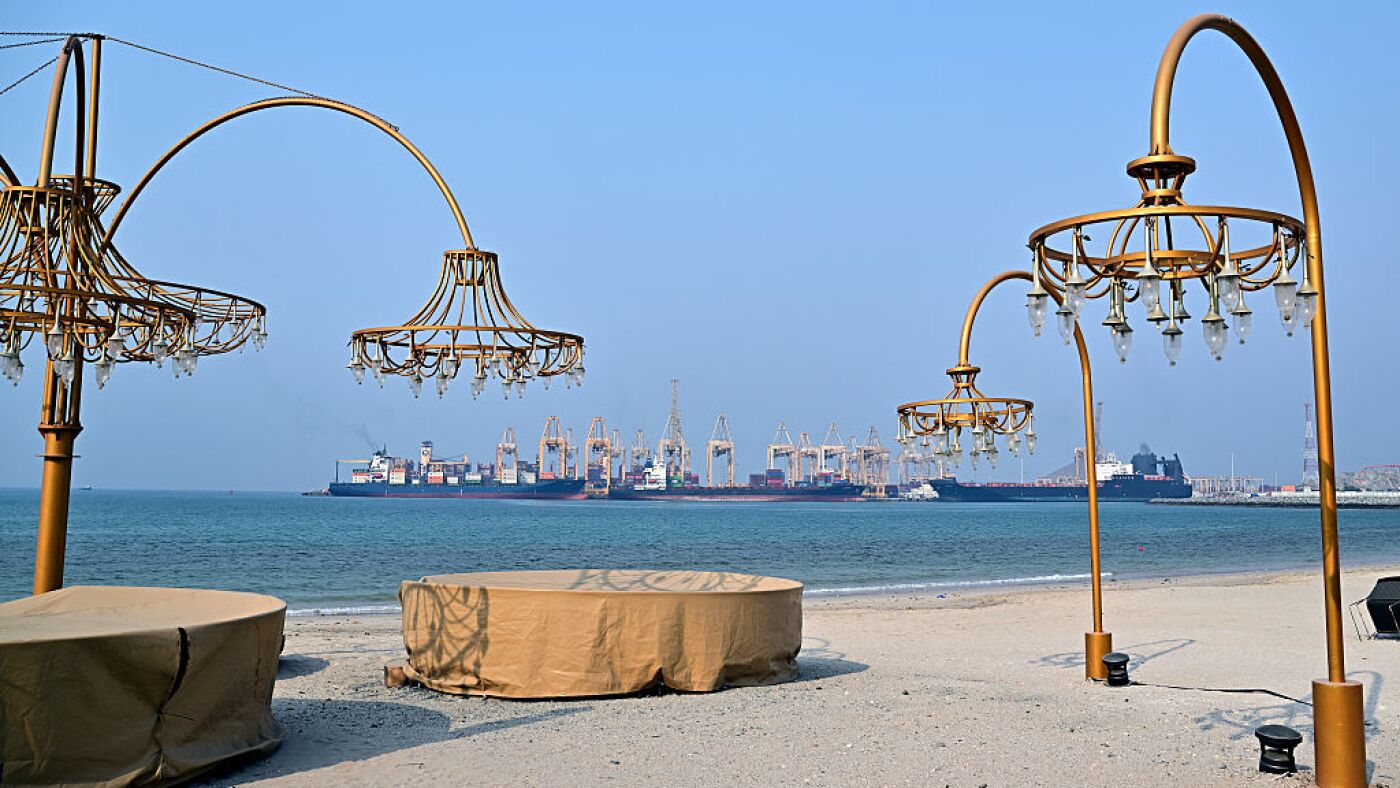
The U.S. military carried out a new round of strikes on Iran on Wednesday as the confrontation over the Strait of Hormuz widened, according to U.S. Central Command. Iran’s Revolutionary Guard threatened to shut additional oil and gas export routes after Washington reinstated a maritime blockade of Iranian ports in the strait, NPR reported.
Central Command said the latest strikes were aimed at reducing Iranian military capabilities that U.S. officials say have been used against commercial shipping in the Strait of Hormuz. Adm. Brad Cooper, the head of U.S. Central Command, said Tuesday that Iran had attacked seven commercial vessels and fired missiles at Gulf countries.
“U.S. forces are holding Iran accountable for unwarranted aggression that continues to endanger innocent lives,” Cooper said in a statement cited by NPR.
Iran threatens wider closures
Iran’s Revolutionary Guard said the United States should expect other oil and gas export routes serving U.S. and allied interests to be closed, according to a statement carried by Iranian state media. The statement said regional energy exports would be available “to everyone or to no one.”
NPR reported that the Iranian statement did not directly name the Bab al-Mandab Strait, the passage at the southern entrance to the Red Sea that links to the Suez Canal, the Gulf of Aden and the Indian Ocean. Iran has previously threatened that route, which NPR said carries about 10% of the world’s oil.
The Strait of Hormuz remains the central flashpoint, NPR reported. Roughly one-fifth of global energy supplies usually pass through the waterway, and the dispute has disrupted trade and pushed up fuel prices, according to NPR.
Kpler, a maritime traffic tracking company, said it recorded 21 ships moving through the Strait of Hormuz on Tuesday, including vessels carrying crude oil, liquefied petroleum gas, methanol and iron ore. Kpler said three more attacks off Oman had been verified, bringing the total it cited to 56 confirmed incidents and 17 seafarer deaths.
Blockade follows overnight exchanges
NPR reported that the escalation entered its fifth day Wednesday, following overnight strikes between the United States and Iran. The U.S. military had reimposed its blockade of Iranian vessels in the strait, and Iran responded with strikes aimed at U.S. military bases in Kuwait, Bahrain and Jordan, according to NPR.
The broader conflict began Feb. 28 after the United States and Israel launched strikes on Iran, NPR reported. The renewed fighting over the past week has damaged a tentative ceasefire, with no reported progress toward a final agreement to end the war.
Washington treats the Strait of Hormuz as an international waterway, while Tehran has asserted control since the U.S. and Israeli strikes began, NPR reported. Iran has required ships to seek permission and use approved routes, and has attacked vessels that did not follow its orders, according to NPR.
Tensions also rose around Yemen. NPR reported that the Houthi movement’s Ansar Allah accused Saudi Arabia of breaking a four-year ceasefire with an attack on the international airport in Sanaa, while Yemen’s Saudi-backed, internationally recognized government said it carried out the strike to stop an Iranian plane from landing.
Mohammad al-Farah, a member of Ansar Allah’s political bureau, said the Bab al-Mandab and Hormuz straits could be closed together if conditions worsened, according to Iranian state TV cited by NPR.
Trump drops planned cargo fee
President Trump reversed a plan to charge ships a 20% cargo fee for U.S. assistance through the Strait of Hormuz, according to a post he made online and remarks reported by NPR. Trump said Gulf states would instead make trade and investment deals with the United States, though NPR reported that no details had been provided.
Trump told reporters Tuesday that leaders from Saudi Arabia, the United Arab Emirates, Qatar, Bahrain and Kuwait had raised concerns and preferred another arrangement, according to NPR. He said the blockade would continue.
This story draws on original reporting from NPR.