
US-Iran ceasefire collapses as war costs rise for both sides
Washington and Tehran have voided a June truce understanding, but economic, military and political strains are narrowing their room to escalate.
By Daniel Okafor · Business Editor
4 min read
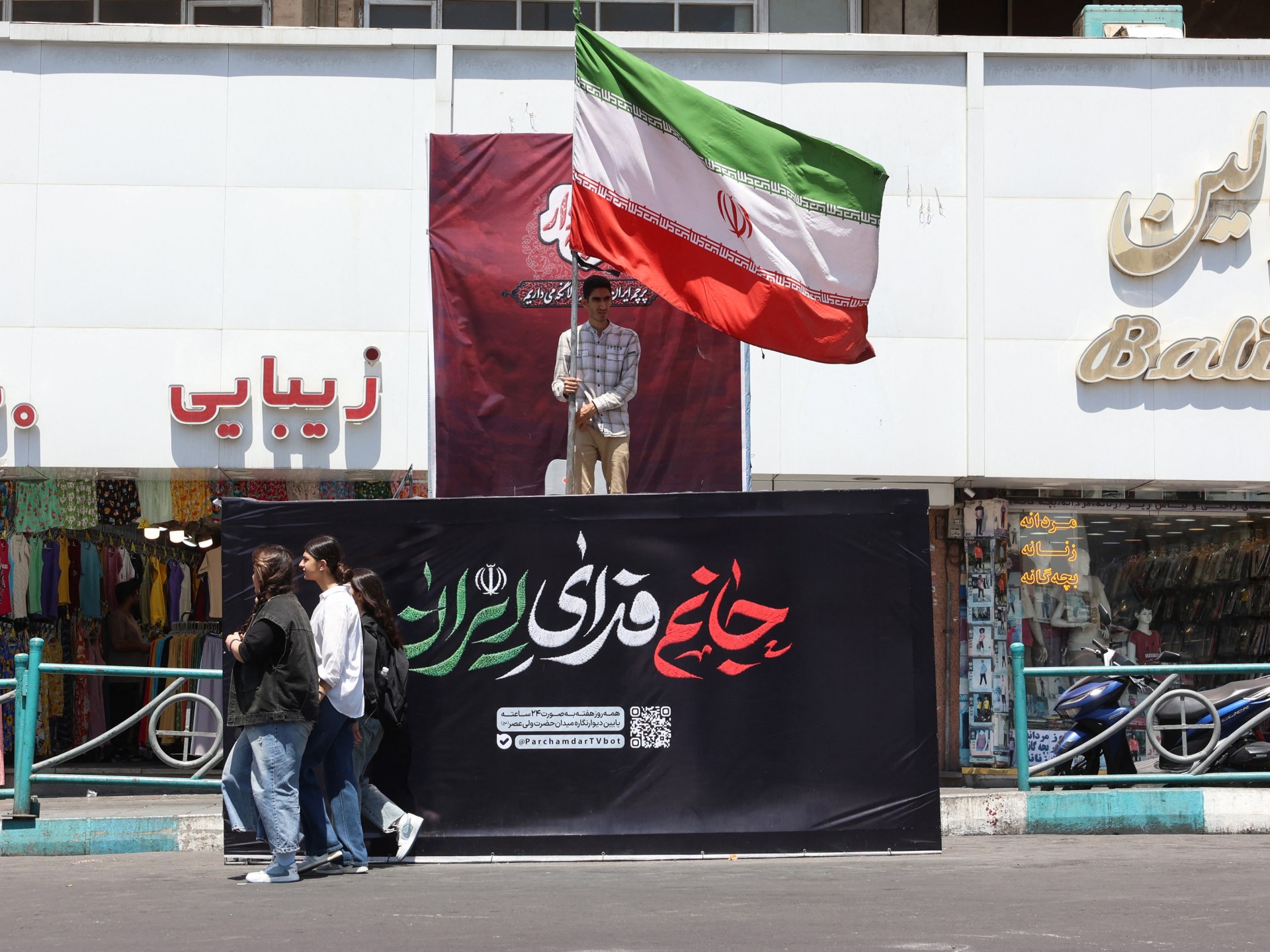
The United States and Iran have abandoned a June ceasefire understanding after five straight days of renewed U.S. strikes and Iranian retaliation across the region. The breakdown matters because both governments say they are open to diplomacy while taking military steps that could widen the war.
Al Jazeera reported that both sides now consider the memorandum of understanding signed in June to be defunct. Pakistan, described by Al Jazeera as the main mediator between Washington and Tehran, urged both governments on Thursday to halt the attacks and return to negotiations.
Pakistan Foreign Ministry spokesman Tahir Andrabi told reporters in Islamabad that his government sees sustained diplomacy as the only route to lasting peace and stability. U.S. President Donald Trump has said Iran wants a deal but has also argued that Tehran cannot be trusted to honor one, while Iranian negotiator Mohammed Bagher Ghalibaf said Wednesday that Iran is in an existential war with the United States and should no longer follow the June accord.
Iran faces sanctions, damage and regional strain
Iran enters the latest phase of fighting under heavy economic pressure, according to Al Jazeera. U.S. sanctions have restricted oil sales, access to global finance and state assets, while Iran’s GDP per capita fell from $8,000 in 2012 to $5,000 in 2024. Oil exports declined from 2.2 million barrels per day in 2012 to 1.5 million barrels per day in 2025.
The June understanding briefly eased that pressure. Al Jazeera reported that Washington lifted its naval blockade, granted a 60-day sanctions waiver and pledged to unfreeze Iranian assets; Iran’s rial gained 15 percent on the day the deal was reached. The U.S. reimposed sanctions this week, adding new stress to Iran’s economy.
Iran’s armed forces have also taken losses. The Center for Strategic and International Studies assessed that by April 1, Iran had used up 30 percent of its prewar missile inventory and 60 percent of its drone arsenal. CSIS also reported damage to naval facilities, vessels and weapons production sites, while the U.S. has said earlier strikes significantly weakened Iranian nuclear sites.
Tehran’s relations with Gulf governments are also worsening, according to Al Jazeera. Iran says it is targeting U.S. military assets, but strikes in the earlier phase of the war hit sovereign territory and caused civilian casualties. Gulf states have responded by increasing military coordination, including data sharing and warning systems.
Washington has its own limits
The U.S. faces pressure from energy prices, domestic politics and munitions use. Al Jazeera reported that crude prices rose 12 percent after the latest U.S. attacks, amid renewed concern about traffic through the Strait of Hormuz. Before the war, about one-fifth of global oil supply moved through the waterway.
Higher energy costs have reached U.S. consumers. Al Jazeera reported that gasoline rose from $2.98 per gallon before the war to a May peak of $4.63 per gallon. A YouGov poll this week found that 57 percent of Americans viewed the Trump administration’s war decision as wrong, a political problem for Republicans ahead of November’s midterm elections.
U.S. weapons stocks are also under strain, though CSIS said they have not reached a critical level. Al Jazeera reported that the U.S. has relied on seven of its most powerful and costly munitions, and that at least four had lost half their stockpiles during the first phase of the war. Replacing them could take months or years, analysts said, even after Trump invoked the Defense Production Act to push arms production.
The Center for American Progress said 14 U.S. soldiers had been killed and 414 wounded by July 14. Brian Finucane of the International Crisis Group told Al Jazeera that use of Patriot interceptors and Tomahawk missiles has been heavy, and that such weapons could be needed in a possible conflict with China.
Alam Saleh, a professor at the Australian National University, told Al Jazeera that Iran is unlikely to accept a deal unless it believes its security is guaranteed, despite economic pain and battlefield losses. Saleh also argued that the U.S. is taking greater reputational damage because rivals such as China and Russia can see the limits of American power against a middle power like Iran.
This story draws on original reporting from Al Jazeera.