
US and Iran electronically sign war MoU, Trump says Hormuz to reopen
Trump said the US-Iran memorandum has been signed electronically, as both sides gave conflicting accounts of sanctions and frozen assets.
By Sofia Marchetti · World Affairs Correspondent
4 min read
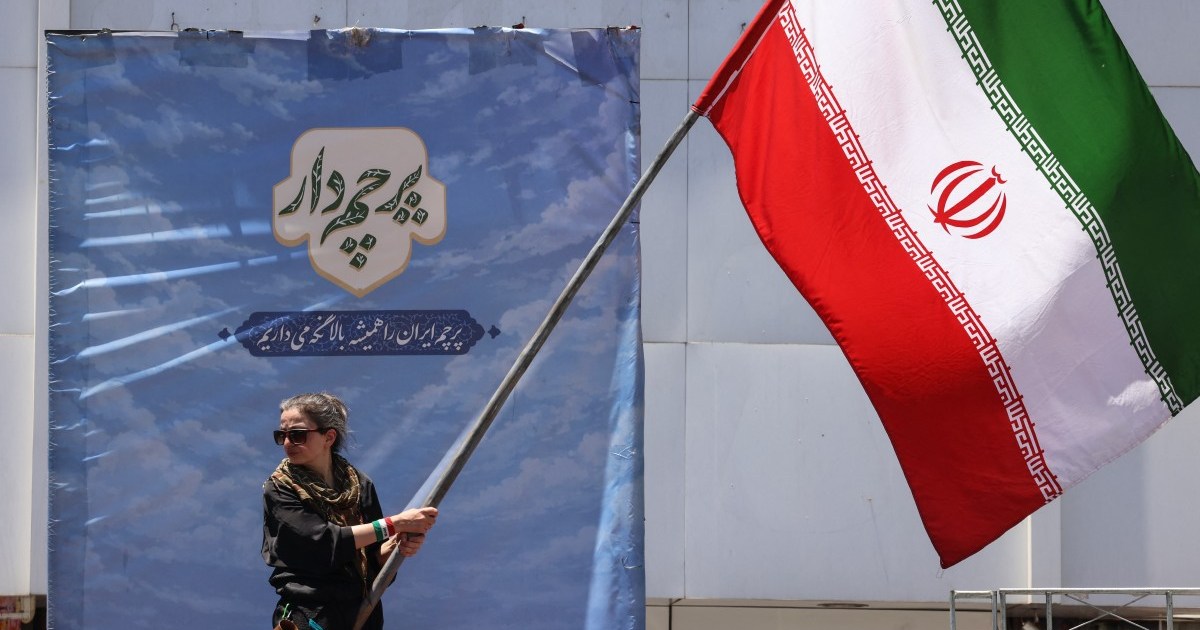
US President Donald Trump said Washington and Tehran have electronically signed a memorandum of understanding intended to halt the war and reopen the Strait of Hormuz by Friday. The announcement matters because the conflict, which Al Jazeera said began 109 days ago with US and Israeli attacks on Iran, has disrupted shipping, oil flows and fighting across the region.
US officials told Reuters and AFP that Trump, Vice President JD Vance and Iran’s lead negotiator, Parliament Speaker Mohammad Bagher Ghalibaf, signed the document. Trump said the waterway would be “completely open” by Friday, while Vance told US media that traffic through the strait would face no tolls during a 60-day period.
Terms still disputed
The full text of the MoU has not been released. Iran’s National Security Council said Monday that the arrangement ends fighting on all fronts, including in Lebanon, and removes the US naval blockade on Iranian ports.
Officials on both sides said talks on Iran’s nuclear programme and sanctions relief would follow during the 60 days after a formal signing in Switzerland on Friday, according to Al Jazeera. Vance described the MoU as a general document of about a page and a half and said details could be released soon.
A senior Iranian official told Reuters that Washington had agreed to free $25bn in frozen Iranian assets and waive oil sanctions for a limited period. Vance rejected that account, saying in US media that Washington and its allies had not provided sanctions relief or unfrozen assets.
Trump also denied reports of US payments to Iran, writing on Truth Social that such claims were “Fake News” put out by Democrats. Ghalibaf, before signing electronically, wrote on X that Iran had taken what he called a major step toward victory after resisting Israel and the United States.
Shipping and regional fighting
Iranian media reported that at least three Iranian oil tankers and other ships carrying goods for Iran had moved through the Strait of Hormuz since the deal was announced. Saman Rezaei, head of Iran’s merchant marine union, told Al Jazeera that the transit system in the strait may not return to its pre-war state until shipping sees sustained peace, lower visible threats and repeated safe passages.
Rezaei also told Al Jazeera that about 22,000 seafarers had been stuck in the Gulf for nearly four months and had suffered significant injuries. He said the first priority should be their safe departure with international cooperation, regardless of political decisions.
In Israel, Prime Minister Benjamin Netanyahu said Israeli forces would keep occupying southern Lebanon despite the US-Iran agreement. Al Jazeera reported growing Israeli cabinet opposition to the deal, with some ministers calling for attacks on Hezbollah and saying Israel was not bound by the MoU.
Al Jazeera reported that Israeli attacks killed at least one person in Lebanon on Monday and that Israeli forces and Hezbollah fighters continued exchanging fire as displaced Lebanese people returned to damaged areas in the south. In Gaza, Israel killed two people while Hamas said it hoped the US-Iran deal would help end continued Israeli attacks, according to Al Jazeera.
Political and market reaction
Vance posted a video on X calling the agreement a “win-win for the American people.” Democratic Senator Richard Blumenthal compared the outcome of the US war on Iran to Britain’s Suez Canal crisis, while Republican Senator John Thune told reporters he expected Congress to be briefed and suggested lawmakers would likely seek a vote.
Ukrainian Foreign Minister Andrii Sybiha welcomed the MoU and said Kyiv hoped it would lead Washington to renew efforts to end Russia’s war in Ukraine. Japan’s Chief Cabinet Secretary Minoru Kihara voiced concern about Israel’s continued attacks in southern Lebanon, and AIPAC said the deal should preserve Israel’s ability to carry out attacks.
Oil prices rose after the announcement, according to market figures cited by Al Jazeera. Brent crude futures were up 26 cents, or 0.3 percent, at $83.42 a barrel, while US West Texas Intermediate gained 46 cents, or 0.3 percent, to $81.12.
This story draws on original reporting from Al Jazeera.