
US and Iran sign preliminary memorandum electronically
Iran says the Islamabad memorandum is now in effect, suspending military operations while talks continue over unresolved disputes.
By James Whitfield · Staff Writer
3 min read
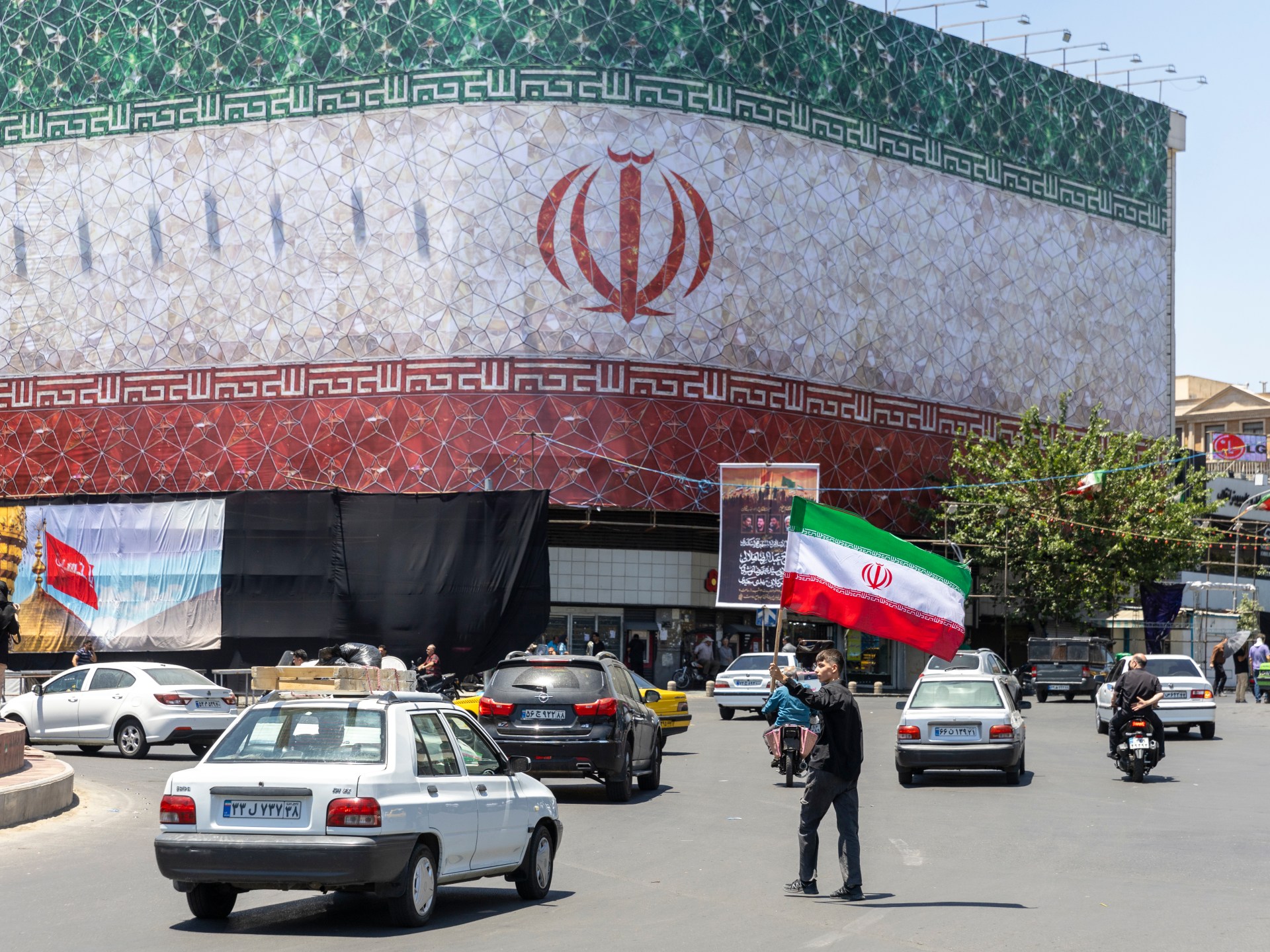
Iran said the United States and Iran have electronically signed a memorandum of understanding that has already taken effect, a step both sides describe as a bridge to further negotiations. The statement matters because the document is meant to suspend military operations after months of war involving the US, Israel and Iran.
Esmaeil Baghaei, spokesperson for Iran’s Ministry of Foreign Affairs, told Iran’s IRNA news agency that the text of the Islamabad memorandum had been completed and signed by the presidents. He said the next test would be whether the agreement is carried out.
Baghaei said there would be no signing ceremony Friday in Geneva because the parties had already signed the document electronically. He said negotiating teams still planned to be in the Swiss city, while a decision on whether they would meet in person was expected within hours and such plans were paused for now.
White House has not issued formal statement
US President Donald Trump’s office had not issued a formal statement on the signing, according to Al Jazeera. Al Jazeera correspondent Mike Hanna said a White House spokesperson had confirmed earlier Wednesday that the signing had taken place.
Hanna reported that the Trump administration is presenting the memorandum as a preliminary arrangement rather than a completed settlement. He said the administration faces criticism at home, including from some Republicans who believe Iran is being treated too softly.
The US and Israel have been jointly involved in a war against Iran since February 28, according to Al Jazeera, AFP and Reuters. Much of the heaviest fighting was suspended by a temporary ceasefire on April 8.
Trump has repeatedly said the war was launched to stop Iran from obtaining a nuclear weapon, according to Al Jazeera. Since the memorandum became public, he has pointed to language in it saying Iran will not seek such a weapon; Tehran has long denied that it intends to do so.
Hormuz dispute remains unresolved
Iranian officials have framed the memorandum as a win. Mohammad Bagher Ghalibaf, Iran’s chief negotiator, told the state-linked Fars news agency that the document showed the US had failed to meet its aims.
Ghalibaf also said the Strait of Hormuz would not return to its pre-war status after the memorandum’s 60-day negotiation period. He said Iran considers itself entitled to sovereignty over the waterway and would seek fees for services there.
That stance conflicts with Trump’s pledge that the strait, a major route for global trade, would remain permanently free of tolls, according to Al Jazeera. Since the war began, Iran has blocked the waterway, sending global prices for fuel, fertiliser and other goods higher, while the US imposed a blockade on Iranian ports that is set to end under the memorandum.
Both sides have said the memorandum does not settle all disputes, according to Al Jazeera, AFP and Reuters. Further talks are expected during the 60-day period, with the aim of turning the preliminary memorandum into a fuller agreement.
This story draws on original reporting from Al Jazeera.