
Oil drops and Asian shares rise after US-Iran peace framework
Markets moved after Pakistan said a US-Iran memorandum took effect, with traders watching whether shipping can resume through Hormuz.
By James Whitfield · Staff Writer
3 min read
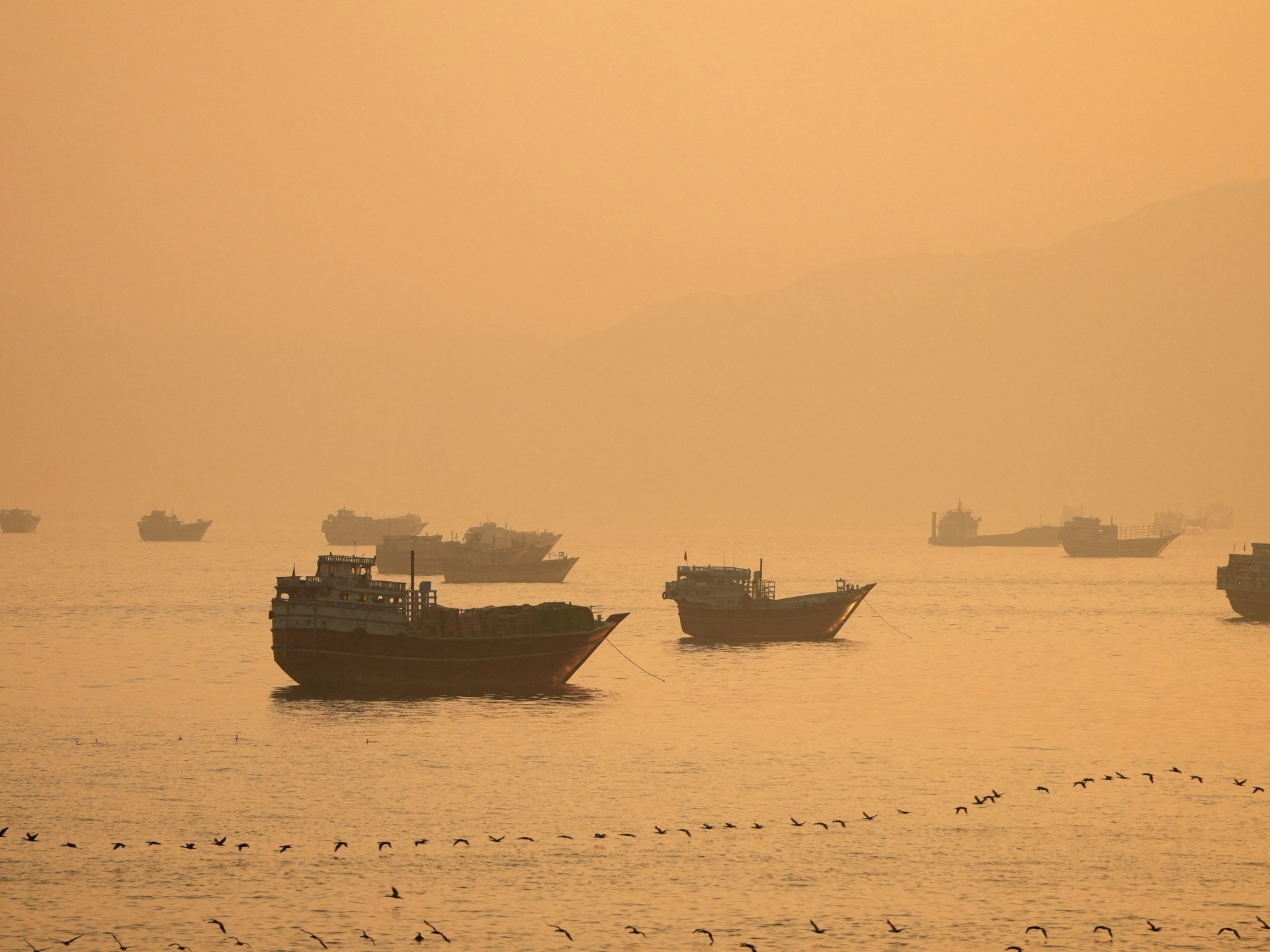
Oil prices fell and several major stock indexes advanced after the United States and Iran signed an interim peace agreement, easing some market fears over disrupted energy shipments, Al Jazeera reported. The move matters for global trade because traffic through the Strait of Hormuz has been sharply curtailed during the war.
Brent crude dropped as much as 1.6 percent in Thursday morning trading in Asia, according to Al Jazeera. By 02:00 GMT, August Brent futures were at $78.43 a barrel, leaving the benchmark about 7 percent above its level before the United States and Israel began their war on Iran on February 28, Al Jazeera reported.
The decline resumed after a brief jump on Wednesday, when US President Donald Trump warned that Washington could “go right back to dropping bombs” on Iran if Tehran did not “behave,” according to Al Jazeera. Brent had climbed above $81 a barrel after that warning.
Stocks rise as traders price in less disruption
Asian markets mostly opened higher as investors reacted to the prospect of an end to nearly four months of pressure on energy supply chains, Al Jazeera reported. Japan’s Nikkei 225 rose 1.9 percent in early trade and reached an all-time high.
South Korea’s Kospi gained more than 1 percent, while Taiwan’s Taiex added about 1.3 percent, according to Al Jazeera. Hong Kong moved the other way, with the Hang Seng Index down 1.7 percent.
US stock futures also rose outside regular trading hours, Al Jazeera reported. Futures linked to the S&P 500 were up about 0.8 percent, while those tied to the Nasdaq Composite rose about 1.3 percent.
Pakistan says deal is in force
Pakistani Prime Minister Shehbaz Sharif, who mediated talks between Washington and Tehran, said Wednesday that the US-Iran memorandum of understanding had taken effect with “immediate effect,” according to Al Jazeera. Sharif said Iran would “instantly reopen” the Strait of Hormuz and that the United States would “immediately” end its naval blockade of Iranian ports.
Al Jazeera reported that it was not immediately clear whether Sharif’s announcement had increased maritime traffic in the waterway. Shipping through the strait has fallen to a fraction of peacetime levels because of the threat from Iranian missiles, drones and mines, as well as the US blockade.
More than 500 vessels are estimated to be waiting to leave the Gulf through the strait, Al Jazeera reported. Shipping companies have raised concerns about how crews and vessels can safely pass through the channel.
The Baltic and International Maritime Council, known as BIMCO, said earlier this week that the US and Iran had not yet provided details on issues including timing and safe routes. Jakob Larsen, BIMCO’s chief safety and security officer, said Monday that the security situation remained volatile and that the group still considered transits very risky at that point.
Larsen said BIMCO was advising shipowners to keep carrying out thorough risk assessments and urged all sides to place seafarer safety first. The warning came in response to the initial announcement of the memorandum, according to Al Jazeera.
This story draws on original reporting from Al Jazeera.