
Detainees moved out of Florida immigration site ahead of storms
DHS said all people held at the Everglades facility known as Alligator Alcatraz have been transferred, citing hurricane-season safety risks.
By Lucas Ferreira · Science & Environment Writer
3 min read
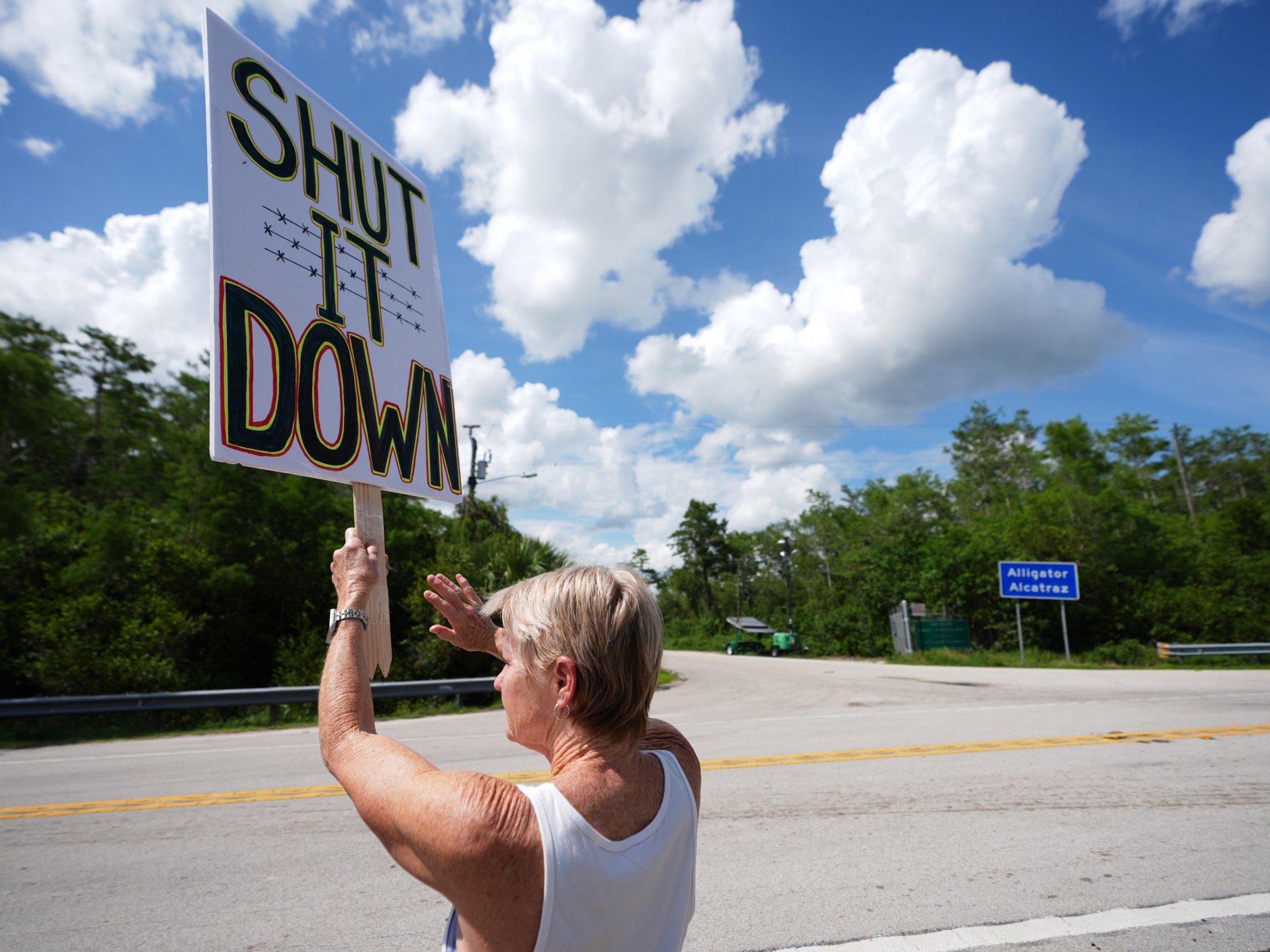
The Trump administration has moved all immigrant detainees out of a Florida detention site known as Alligator Alcatraz, the Department of Homeland Security said Wednesday. The move leaves empty a remote Everglades facility that drew lawsuits, protests and complaints over conditions during its year in use.
DHS spokesperson Lauren Bis told The Associated Press that detainees were sent to other facilities because of safety concerns tied to the Atlantic hurricane season. Bis did not say how many people were moved, where they were taken or whether the state-run site would be closed for good, according to AP.
The announcement came as Tropical Storm Arthur, the first named storm of the 2026 Atlantic season, was in the Gulf of Mexico and expected to head toward Louisiana, according to the report. Hurricane season in the Atlantic runs from June through November.
A remote site under scrutiny
Florida officials announced the facility on June 19, 2025, and it opened the following month on an abandoned airstrip inside Big Cypress National Preserve, according to Al Jazeera and AP. The site was promoted as temporary and was designed to hold as many as 3,000 people.
Officials nicknamed it Alligator Alcatraz, invoking the former island prison in San Francisco. Florida Attorney General James Uthmeier said at the time that the surrounding wetlands, including alligators and pythons, would discourage escape attempts.
President Donald Trump toured the site when it opened with Florida Governor Ron DeSantis, a fellow Republican, according to the report. Trump has pursued mass deportations during his second term, while DeSantis has used state resources to support that immigration agenda.
The detention center quickly became a target of criticism. Miccosukee and Seminole leaders opposed the project, saying it threatened nearby Everglades homes and ceremonial sites, according to Al Jazeera and AP.
Lawyers and rights groups also questioned whether the temporary units could protect detainees from South Florida heat, heavy rain and hurricanes. Officials had said the aluminum-frame structure could withstand winds comparable to a Category 2 hurricane, according to the report.
Legal challenges and complaints
Over the past year, the facility faced lawsuits and human rights complaints, according to Al Jazeera and AP. Detainees described blocked access to lawyers, medical neglect and food contaminated with worms, the report said.
The American Civil Liberties Union challenged the state and federal governments over alleged denial of legal access at the site. Amy Godshall, an ACLU lawyer involved in that case, said moving detainees out was a needed step but did not undo the harm already caused.
Godshall said the state and federal governments should permanently close the facility and not hold people there again. The ACLU lawsuit alleged that the detention center’s isolated location helped cut detainees off from legal resources.
Questions about the facility’s future had been building before the DHS announcement. The New York Times reported in May, citing several unnamed officials, that the site was expensive to operate because of its remote location.
DHS had said in May that detainees would be moved out, according to Al Jazeera and AP. Wednesday’s statement confirmed that no detainees remained at the site.
This story draws on original reporting from Al Jazeera.