
US and Iran trade fresh strikes as ceasefire deal comes under strain
Washington and Tehran reported new attacks as Qatar, Pakistan and the UN urged restraint and support for a fragile memorandum of understanding.
By Sofia Marchetti · World Affairs Correspondent
4 min read
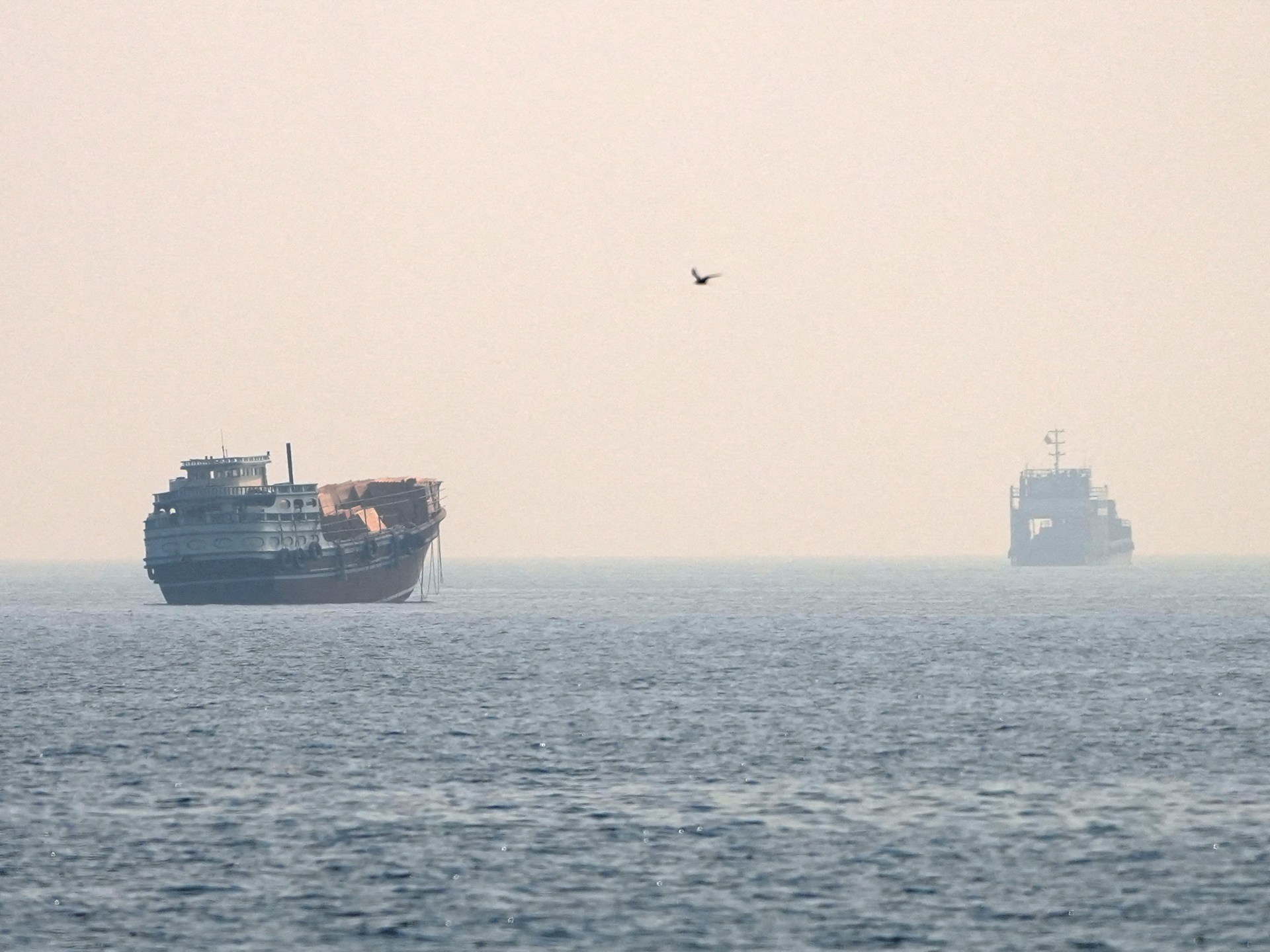
The United States and Iran reported another round of attacks on Wednesday and Thursday, putting new pressure on a ceasefire framework meant to ease fighting and reopen the Strait of Hormuz. The escalation matters because the waterway remains central to the dispute, with both sides tying military action to control of shipping and security there.
US Central Command said American forces struck about 90 military targets in Iran, including missile and drone storage sites and logistics facilities along the Iranian coast. The US military said the operation targeted Iran’s ability to threaten freedom of navigation in the Strait of Hormuz.
President Donald Trump, writing on Truth Social, described the strikes as retaliation for what he called Iran’s bombing of ships a day earlier and warned that any repeat would bring a harsher response. The latest US operation followed American strikes on more than 80 targets in Iran after alleged Iranian attacks on commercial vessels in the strait, according to US officials cited by Al Jazeera.
Iran’s Islamic Revolutionary Guard Corps said Thursday it attacked infrastructure and facilities at bases used by US forces in Kuwait and Bahrain. The IRGC named Arifjan and Ali Al Salem in Kuwait, and Juffair and Sheikh Isa in Bahrain.
Iran’s army later said it had targeted a Patriot missile system in Kuwait, a satellite antenna in Qatar and US military fuel depots in Bahrain. Kuwait’s Ministry of Defence said it was intercepting missiles and drones, while Qatar issued an elevated security threat alert.
The fighting came after Trump said the ceasefire with Iran was over, while also suggesting talks could continue. Speaking to reporters aboard Air Force One after attending the NATO summit in Turkiye, Trump said Iranian officials had called and wanted to reach a deal.
Strikes reported across Iran
Iranian official media reported that US attacks hit a railway bridge in the northeast of the country. IRNA said strikes also hit a military base in coastal Bushehr, where Iran’s only civilian nuclear power plant is located.
Iranian railway operator IRIR said service on the Tehran-Mashhad line was temporarily halted because of the damage. It said repair crews were at the site and buses had been arranged for affected passengers.
IRNA reported warplanes over Kish Island and explosions in Bandar Abbas, Konarak and Chabahar, where part of the city lost power. The agency, citing a regional deputy governor, said at least three people were killed on the outskirts of Ahvaz in Khuzestan province.
IRNA also reported that at least one firefighter was killed in an attack on an airport facility in Iranshahr. Iran’s Health Ministry said at least 14 people had been killed and 78 injured over two days.
Mediators press for diplomacy
The renewed exchanges threaten a memorandum of understanding signed by the US and Iran in mid-June, according to Al Jazeera. The agreement extended an April ceasefire, lifted a US naval blockade of Iran and set out a gradual reopening of the Strait of Hormuz.
Pakistan and Qatar mediated the arrangement, which was intended to start 60 days of talks on harder disputes, including Iran’s nuclear programme, administration of the strait and access to frozen Iranian funds, according to Al Jazeera. Since US-Israeli strikes triggered war in February, Tehran has effectively blocked the strait and threatened vessels outside its authorised route, Al Jazeera reported.
Al Jazeera correspondent Resul Serdar Atas reported from Tehran that the two sides remain deadlocked over the strait, with Washington rejecting Iranian control and Tehran viewing that control as essential leverage. Former senior CIA officer Scott Uehlinger told Al Jazeera that the US appeared to be striking infrastructure linked to Iran’s control of the strait to push Tehran back to the memorandum.
UN Secretary-General Antonio Guterres called for maximum restraint, and Pakistan issued a similar appeal. Qatar’s prime minister and foreign minister, Sheikh Mohammed bin Abdulrahman bin Jassim Al Thani, told Iranian Foreign Minister Abbas Araghchi in a phone call Thursday that both Washington and Tehran should pursue diplomacy and implement the memorandum, according to accounts from Qatar and Iran.
This story draws on original reporting from Al Jazeera.