
Gulf states issue alerts after US strikes on Iran
Bahrain, Kuwait and Qatar warned residents as Iran threatened retaliation and oil prices rose after US military action against Iran.
By James Whitfield · Staff Writer
3 min read
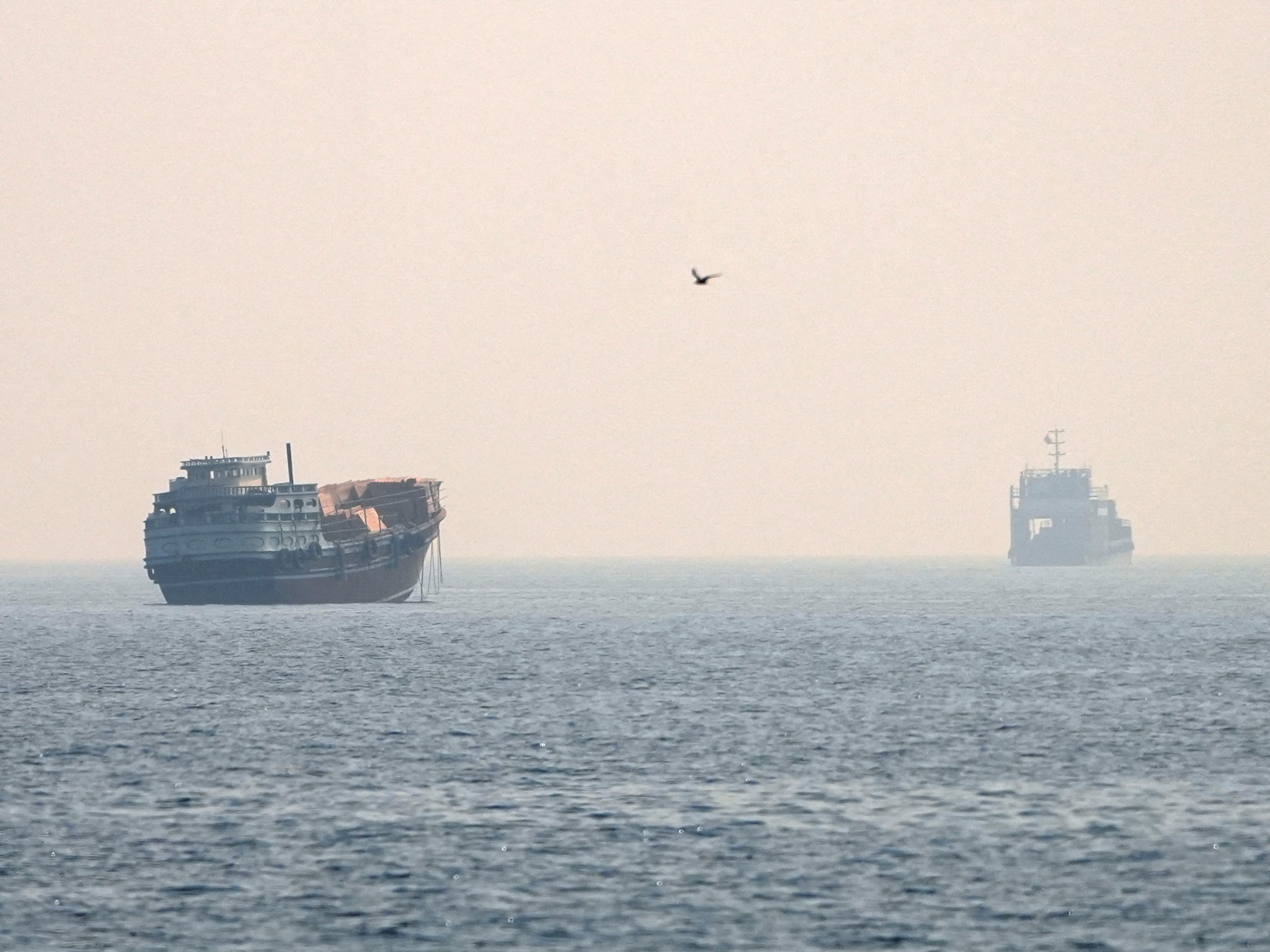
Gulf states issued public safety alerts after US strikes on Iran raised fears of retaliation across a region central to global energy shipments. Al Jazeera reported sirens in Bahrain, warnings in Kuwait and Qatar, and fresh threats from Iranian officials as oil prices moved higher.
Bahrain’s Interior Ministry told the public to stay calm and go to the nearest safe place after air raid sirens sounded for a second time on Thursday morning, according to Al Jazeera. In Kuwait, the Defence Ministry reported intercepting drones and missiles but did not give details on targets or say whether anything had been hit.
Al Jazeera’s Mohamed Vall, reporting from Doha, said Qatar also issued an alert telling people to remain at home, avoid glass windows and stay indoors until further notice. A later message said the danger had passed and residents could resume normal activity, according to the report.
Iran warns of retaliation
Iranian officials signalled that Tehran would answer the US attacks. Mohammad Bagher Ghalibaf, speaker of Iran’s parliament, wrote on X that “bullying and breaking promises are no longer without cost” and warned the United States: “Strike, and you will be struck,” according to Al Jazeera.
Ghalibaf also referred to the Strait of Hormuz, saying pressure from Washington would not determine whether the waterway stays open. He said access would come through “Iranian arrangements” rather than “American threats,” Al Jazeera reported.
Ebrahim Rezaei, spokesman for the Iranian parliament’s National Security Committee, also warned of a response. In a post on X, he told the United States to “wait for the hard slap from Iranians,” according to Al Jazeera.
Al Jazeera’s Tohid Asadi, reporting from Tehran, said Iranian officials have described the US strikes as a violation of an agreement. He reported that Iranian officials also cited continuing Israeli strikes on Lebanese territory and a US decision to reimpose oil sanctions as part of their case against Washington.
Washington focuses on Hormuz
US President Donald Trump told reporters aboard Air Force One that the US military would strike Iranian targets 20 times harder than Iran had struck ships in the Strait of Hormuz, according to Al Jazeera’s Kimberly Halkett in Washington. She reported that Trump and Vice President JD Vance have made keeping the strait open a central US demand.
Vance said in Milwaukee that Iran had broken the memorandum of understanding after following its terms for about one week, according to Al Jazeera. The US position, as reported by Halkett, is that Washington promised to lift a blockade in exchange for Iran stopping attacks, and that Tehran failed to do so.
Democratic Senator Elizabeth Warren criticised Trump’s handling of the conflict. In a post on X cited by Al Jazeera, Warren said the war had cost American lives and raised fuel and food prices, and said Congress should not allow Trump to continue military action against Iran.
Al Jazeera reported that both chambers of Congress passed a bipartisan War Powers Resolution last month directing the president to stop unauthorised military action against Iran unless Congress explicitly approved it.
Oil prices rise
Reuters reported that oil prices climbed as the US military action reduced expectations for a quick end to the conflict and a reopening of the Strait of Hormuz. Brent crude futures rose 78 cents, or 1 percent, to $78.80 a barrel as of 00:54 GMT, according to Reuters.
US West Texas Intermediate crude futures rose 74 cents, or 1.01 percent, to $74.26 a barrel, Reuters reported. The Strait of Hormuz is a key route for seaborne oil, and warnings around the Gulf underscored the risk that the conflict could spread beyond Iran.
This story draws on original reporting from Al Jazeera.