
US-Iran deal raises hopes for fewer World Cup curbs on Iran squad
Iran’s team has faced late visas, travel limits and staffing problems during a World Cup hosted partly by the United States.
By James Whitfield · Staff Writer
3 min read
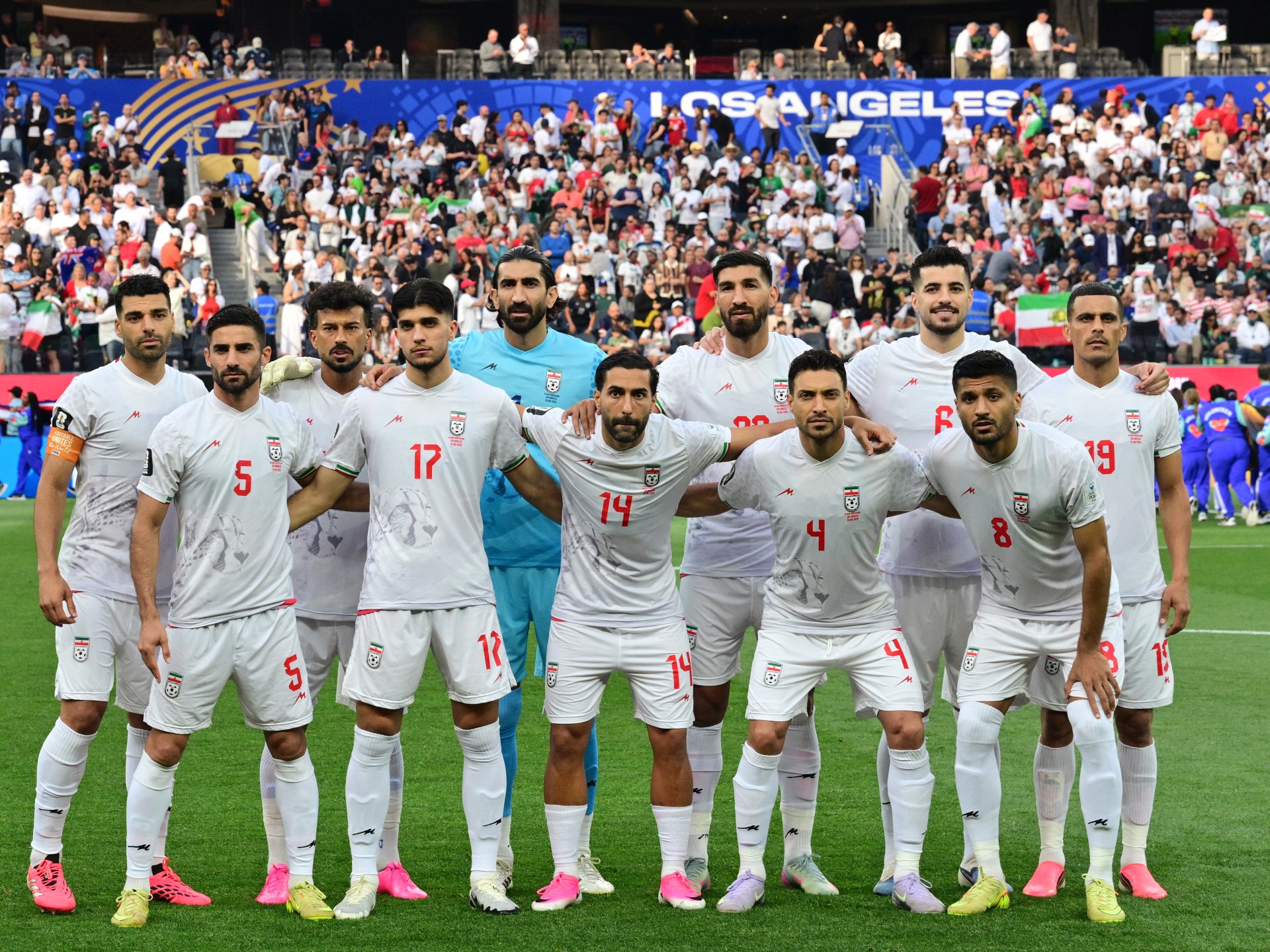
A new US-Iran peace agreement has raised questions over whether Iran’s national football team will face fewer restrictions during the World Cup in the United States. The issue matters because Team Melli has had to play its group matches under visa limits, last-minute travel changes and broader political pressure tied to the conflict between Washington and Tehran.
Al Jazeera reported that the United States and Israel launched a war on Iran on February 28, with a temporary ceasefire pausing much of the heaviest fighting on April 8. A peace agreement was signed this week, although tensions remain high and have affected Iran’s tournament arrangements.
Iran’s players received US visas only 10 days before their opening match against New Zealand in Los Angeles, according to Al Jazeera. The team moved its base camp from Arizona to Tijuana, Mexico, and US officials said Iran had to leave the country within hours after each match.
The restrictions have placed the World Cup in unusual territory. Al Jazeera reported that previous tournaments have taken place while host nations were at war, but not with an organiser in conflict with a participating team in this way.
Visa limits and late changes
US President Donald Trump wrote on Truth Social in March that Iran’s squad was welcome in the United States, but said he did not believe it was appropriate for the team to be there “for their own life and safety.” Al Jazeera reported that FIFA President Gianni Infantino did not appear to secure firm assurances from Trump on the visa issue.
Iranian-American political analyst and journalist Negar Mortazavi told Al Jazeera that the treatment of the squad amounted to “extra animosity” toward Team Melli. She said the peace deal could improve the climate around the team if the United States offers goodwill measures.
Mortazavi pointed to a shift in Trump’s public language about Iran. Trump wrote on Truth Social last week that the US relationship with Iran was “much different and better” than under previous administrations and said he hoped the process would move “quickly, easily, and smoothly.”
One early sign of flexibility came Tuesday, when the United States reissued a multiple-entry visa to Iran winger Mehdi Torabi after his visa expired following the New Zealand match, according to Al Jazeera.
Complaint planned over Belgium travel request
Political scholar Niki Akhavan told Al Jazeera that Trump could still face pressure from Republican anti-Iran hardliners, pro-Israel groups and Democrats who believe the deal gives Iran too much. She said Torabi’s visa renewal might show some willingness by the United States to meet its duties as a host nation.
Those tensions resurfaced quickly. Iran said Thursday it would file a complaint with FIFA after its football federation said a request to enter the United States two days before Sunday’s match against Belgium had been rejected, Al Jazeera reported.
A spokesperson for Iran’s football federation said the team had submitted its tournament preparation schedule in advance but had again faced organiser-imposed limits that disrupted the technical staff’s plans.
Al Jazeera also reported that Iran’s fan ticket allotment was withdrawn shortly before the tournament began and that several members of the squad’s technical staff were denied entry, though the players were admitted. Akhavan said the US decisions had disadvantaged the team and argued that FIFA could have pressed Washington harder to meet its host-nation obligations.
This story draws on original reporting from Al Jazeera.