
Bolivia gives military power to clear protest roadblocks
President Rodrigo Paz declared a 90-day emergency after blockades disrupted food, fuel and medical supplies across Bolivia.
By Lucas Ferreira · Science & Environment Writer
3 min read
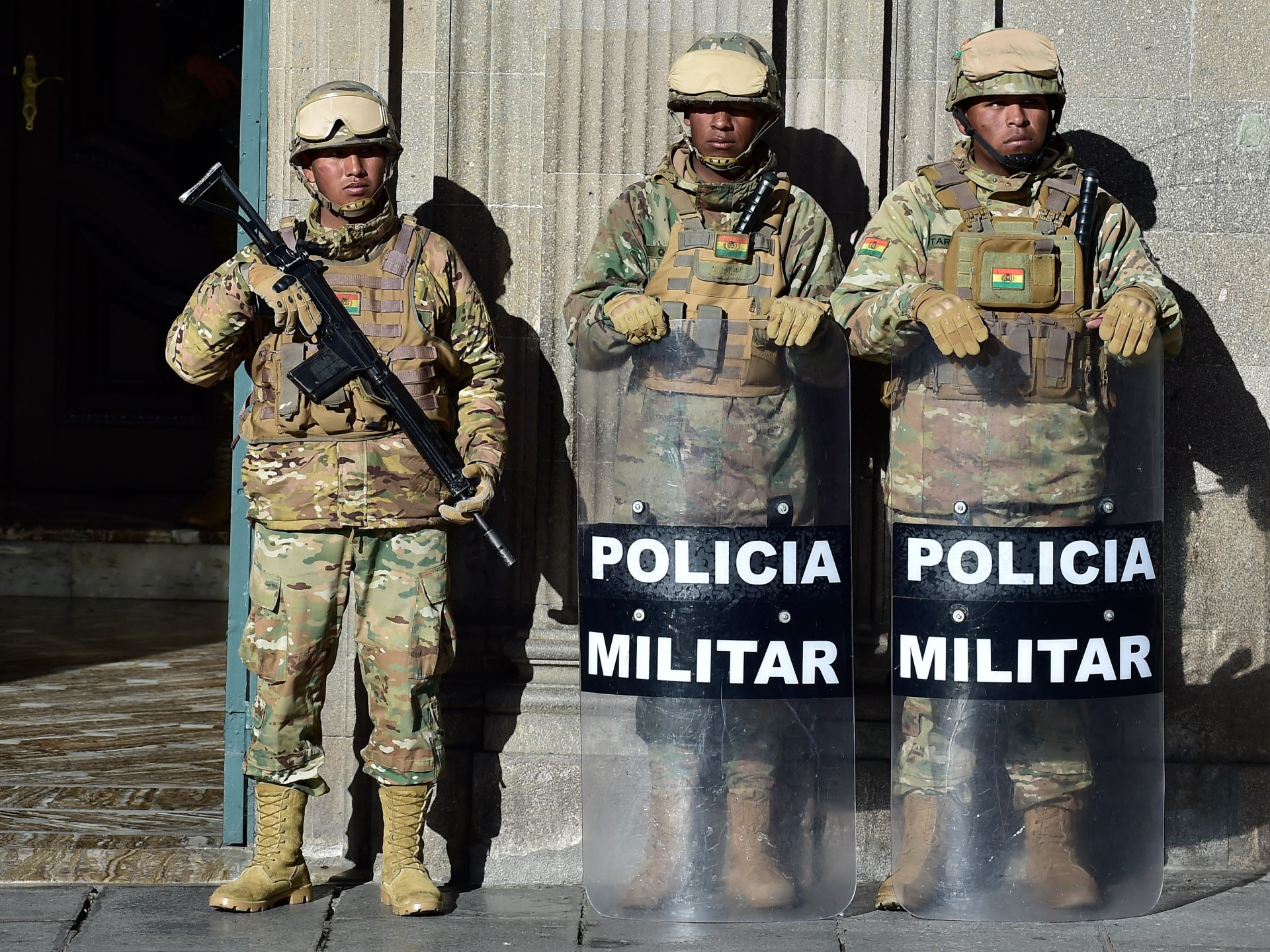
Bolivian President Rodrigo Paz has declared a state of emergency, giving the armed forces authority to help clear roadblocks that have disrupted food and fuel deliveries. The move raises the stakes in a weeks-long protest crisis that has left La Paz cut off and strained hospitals, shops and transport.
Paz announced the measure in a televised address early Saturday, saying the blockades had moved beyond social protest and become an organized effort to destabilize the country’s democracy. He said the decree was intended to restore movement and ensure fuel supplies, according to the government.
The emergency order is set to run for 90 days, though the government said it could end sooner if violence and threats against the public stop. The decree bars the blocking of streets, avenues, roads and highways when those actions affect transportation and supplies.
It also instructs the military to support police on a temporary basis in reopening routes, restoring order and protecting residents, according to the government statement. Military police were seen outside the Quemado presidential palace in La Paz after the announcement, AFP reported.
Blockades strain supplies
Protesters have erected barricades on major roads, leaving fuel tankers stranded and interrupting supply lines. The roadblocks have effectively isolated La Paz, Bolivia’s administrative capital, according to AP and Reuters.
Businesses have shut, supermarket shelves have emptied and hospitals have run short of oxygen during the unrest, according to AP and Reuters. Some groups in Bolivia have urged Paz to restore order by force as the disruptions have spread through the economy.
The protests began in response to Paz’s austerity measures, including the removal of fuel subsidies, and have expanded into broader anger at his government. Highland Indigenous groups and rural workers have led much of the mobilization, accusing the administration of ignoring their needs since Paz took office.
Authorities said clashes between protesters and riot police have resulted in 365 arrests and 37 injuries. Bolivia’s ombudsman’s office and human rights organizations said at least 17 people have died, most of them linked to a lack of medical care caused by transport interruptions.
Pressure on Paz
Paz signed an agreement Friday night with one labor union whose leaders called for the blockades to end, according to AP and Reuters. Other protesters have refused talks and demanded that he resign.
When Paz took office in November, he pledged to address persistent fuel shortages, rebuild central bank reserves and protect social welfare programs. His economic agenda has since faced resistance, with reforms aimed at attracting foreign investment and boosting growth stalled in Congress, according to AP and Reuters.
The end of longstanding fuel subsidies has worsened inflation, according to AP and Reuters, adding to the pressure on Paz’s administration. The emergency decree now gives his government a stronger legal basis to reopen roads, but it also risks deepening the confrontation with groups that have kept the blockades in place.
This story draws on original reporting from Al Jazeera.