
Cepeda carries Colombia’s left into a tight presidential runoff
The senator faces Abelardo de la Espriella as voters weigh Petro’s legacy, security fears and the left’s recent gains.
By Sofia Marchetti · World Affairs Correspondent
4 min read
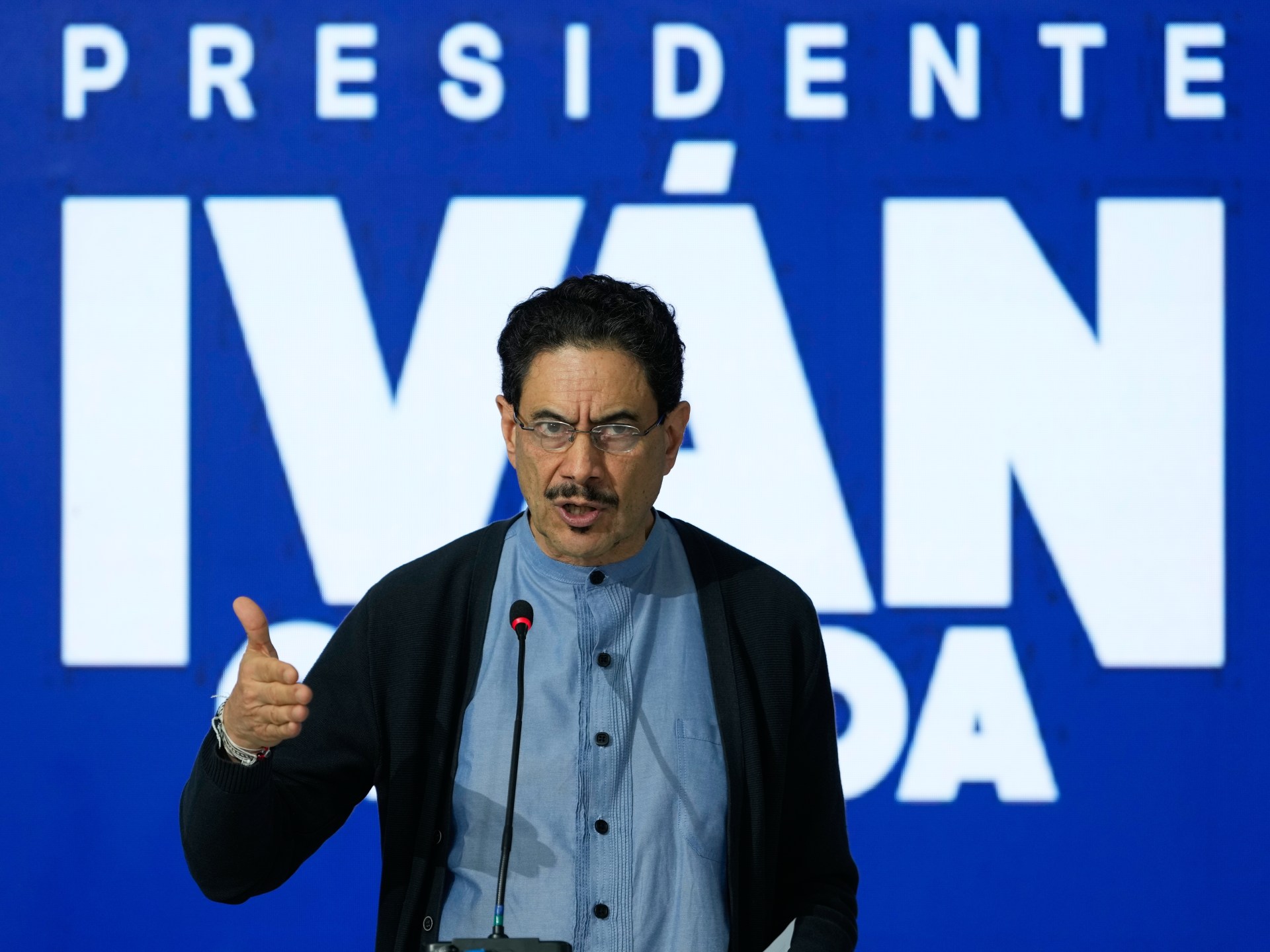
Colombian Senator Ivan Cepeda has reached Sunday’s presidential runoff as the candidate of the governing left, turning a long career in human rights and peace politics into a national campaign. The vote will test whether President Gustavo Petro’s coalition can hold power as security concerns and corruption scandals shape the race, according to Al Jazeera.
Cepeda, 63, will face Abelardo de la Espriella, a far-right criminal defence lawyer who has been backed by United States President Donald Trump, Al Jazeera reported. De la Espriella led the first round with 43 percent of the vote, while Cepeda finished second.
Al Jazeera described Cepeda as a reserved senator who had not long ago expressed doubt about seeking the presidency. In July, he told El Espectador that the office carried a heavy responsibility and that running for president had not been his personal calling.
A left strengthened under Petro
Cepeda is running for the Historic Pact, Petro’s left-wing party, after winning its primary last October, according to Al Jazeera. Petro, Colombia’s first left-wing president, cannot seek another term.
The Historic Pact has gained strength during Petro’s term, Al Jazeera reported. In March legislative elections, the party won 25 Senate seats and 42 seats in the House of Representatives, the largest total of any party in both chambers.
Petro’s approval also improved late in his presidency, with El Tiempo estimating that 45 percent of Colombians viewed him favourably, according to Al Jazeera. Yann Basset, a political analyst and professor at Universidad del Rosario, told Al Jazeera that Petro had built support through social policies and sharp criticism of traditional elites.
Cepeda has promised to continue Petro’s social agenda while pushing it further, Al Jazeera reported. He has campaigned on stronger social programmes and agrarian reforms intended to reduce inequality.
Violence shaped his politics
Al Jazeera reported that Cepeda’s political life was heavily shaped by Colombia’s armed conflict and by the assassination of his father, Manuel Cepeda. His parents, Manuel Cepeda and Yira Castro, were Communist Party members, and his father supported a negotiated end to the war.
Manuel Cepeda was elected to the Senate in 1994 for the Patriotic Union, a leftist party formed after peace talks between the government and the Revolutionary Armed Forces of Colombia, or FARC, according to Al Jazeera. He was killed less than a year into his term, and other Patriotic Union leaders were also assassinated, allegedly by state agents working with paramilitary groups.
Leon Valencia, a political analyst and author of a biography of Cepeda, told Al Jazeera that the killing drove Cepeda’s work on behalf of victims of the conflict. Cepeda entered Congress in 2010 and became known for confronting former President Alvaro Uribe over alleged links to paramilitary groups and drug cartels, according to Al Jazeera.
Uribe was convicted in July 2025 of bribery and witness tampering before the ruling was later overturned, Al Jazeera reported. Valencia said the case raised Cepeda’s stature on the left because Uribe had not previously been convicted despite earlier investigations into alleged rights abuses and paramilitary ties.
Security and Petro’s record loom
De la Espriella has attacked Cepeda as linked to the FARC, accusing him without evidence of having been a rebel fighter, according to Al Jazeera. Cepeda has said photos used by opponents came from peace talks in Havana in the mid-2010s, where he served as an unofficial negotiator.
Cepeda also helped develop Petro’s “Total Peace” policy and served as a government negotiator with the National Liberation Army, Colombia’s largest remaining rebel group, Al Jazeera reported. The policy did not produce a lasting peace deal with any major armed group during Petro’s term, and analysts told Al Jazeera that armed groups expanded their power.
Since the first round, Cepeda has tried to appeal to centrist and undecided voters by moderating parts of his platform, according to Al Jazeera. He told Caracol Radio that the Total Peace policy had errors and would need reassessment, and he said he would not negotiate with armed groups that attack civilians and social leaders.
His effort has brought limited centrist support, Al Jazeera reported. Claudia Lopez, who finished fifth in the first round, endorsed him, while Sergio Fajardo, who finished third, has not backed either candidate.
Basset told Al Jazeera that de la Espriella enters the runoff with an advantage after consolidating much of the right. He also said Cepeda could still benefit from the left’s grassroots organisation in urban neighbourhoods and rural areas where its support is strongest.
This story draws on original reporting from Al Jazeera.