
South Africa marks 50 years since Soweto uprising amid economic strain
The anniversary recalls a student revolt that helped weaken apartheid, while poverty, unemployment and anti-migrant violence weigh on South Africa today.
By James Whitfield · Staff Writer
4 min read
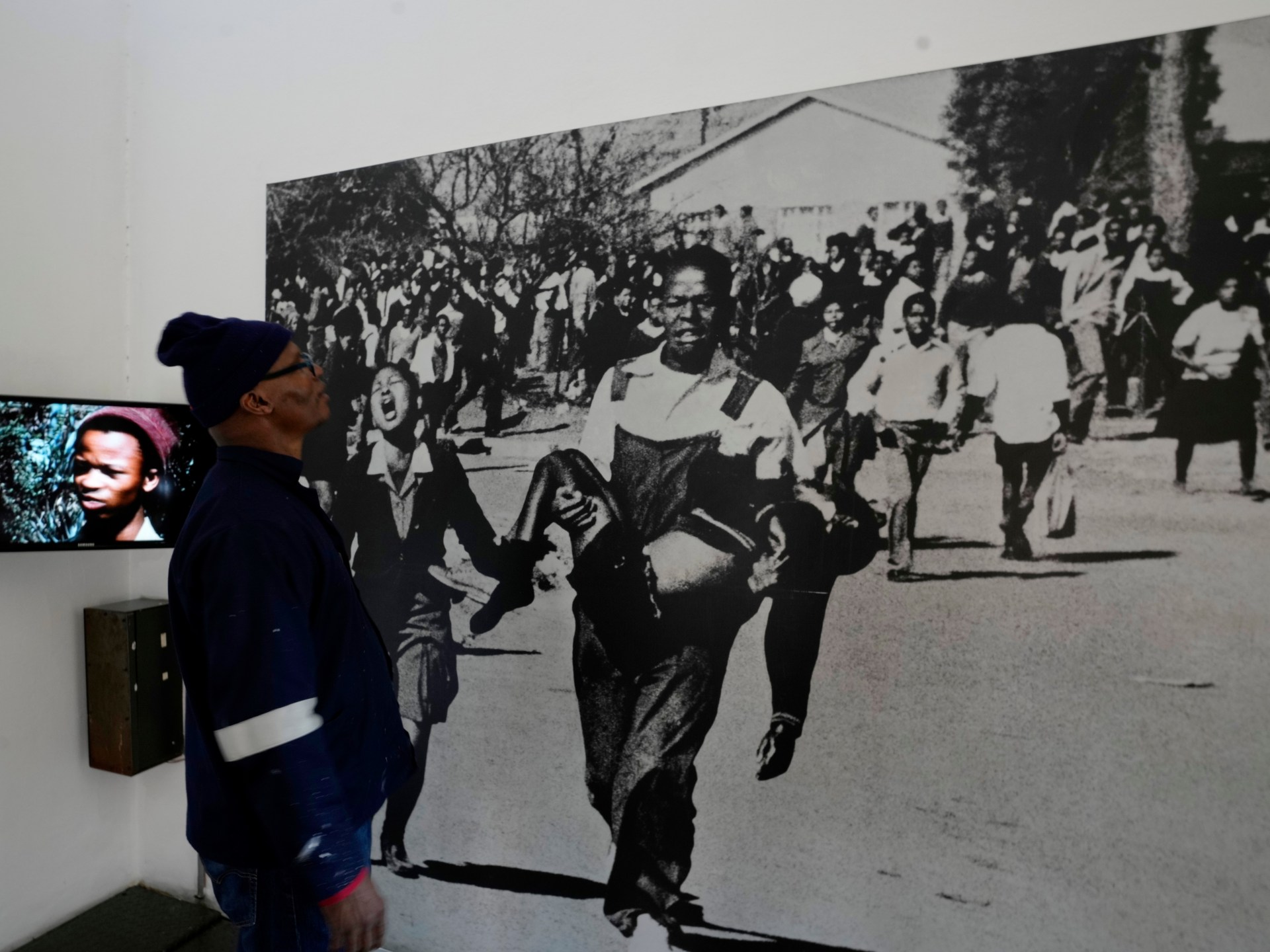
South Africa is marking 50 years since the Soweto uprising, a student-led revolt that became a defining challenge to apartheid rule. The anniversary has revived attention on how far the country has come since white minority rule ended in 1994, and how many of its promises remain unfulfilled.
Al Jazeera reported that Black students in Soweto rose up on June 16, 1976, against an apartheid education policy requiring instruction in Afrikaans as well as English. The demonstrations began as a school protest and spread through Johannesburg, drawing a violent response from police.
Students confronted apartheid policy
The apartheid system, in place from 1948 to 1994, segregated South Africans by race and barred Black children from white-only schools and areas. Al Jazeera reported that education for Black pupils was designed to prepare them mainly for manual and low-paid work.
The Afrikaans language requirement, introduced in early 1975 for Black schools, triggered anger among students and teachers. Thami Ntenteni, who had taught at one of the schools involved and was later forced into exile in the Soviet Union, told Al Jazeera the issue was “very sensitive among students but also teachers.”
On June 16, thousands of students marched peacefully in Soweto, according to Al Jazeera. Police set dogs on the children and then opened fire with live ammunition, killing many and setting off days of unrest.
At least 176 people were killed, Al Jazeera reported. Among them was 12-year-old Zolile Hector Pieterson, whose death became known worldwide after photographer Sam Nzima captured an image of another young man carrying him as Pieterson’s sister ran beside them.
The photograph became one of the most recognized images of the struggle against apartheid. Al Jazeera reported that the Organization of African Unity condemned the apartheid government after the uprising and continued efforts aimed at ending white minority rule.
The revolt was not the first time Black South Africans had faced deadly state force during protest. Al Jazeera noted the 1960 Sharpeville killings, when Black demonstrators opposing passbook laws were shot in what was then Transvaal Province.
Anniversary meets present-day hardship
President Cyril Ramaphosa used the anniversary to address young South Africans, saying in a Monday statement that they now face the challenge of finding a place in an economy that “has for too long kept its doors closed.”
Al Jazeera reported that the commemorations come as South Africa faces high poverty, unemployment and crime, with Black communities bearing the heaviest burden. The country remains Africa’s largest and most advanced economy, but it has been weakened by government inefficiency, corruption and the depletion of mining reserves, according to the report.
Public infrastructure has also deteriorated, including electricity supply. Statistics South Africa data cited by Al Jazeera puts unemployment among people aged 15 to 24 at 60 percent.
Economic inequality remains stark. Al Jazeera reported that Black South Africans make up about 80 percent of the population and are disproportionately affected by poverty. Research cited in the report found average monthly income of about 10,554 rand, or $652, for Black households, compared with 117,249 rand, or $7,427, for white households.
The World Bank named South Africa the world’s most unequal country in 2022, Al Jazeera reported, citing unequal land ownership and the failure of a broad middle class to emerge among the factors behind the ranking.
Anti-migrant violence adds pressure
The anniversary also comes after weeks of hostility toward African migrants. Al Jazeera reported that protests and attacks have targeted people from countries including Zimbabwe, Malawi, Mozambique, Nigeria and Ghana.
South Africa has long drawn workers from elsewhere on the continent, some legally and others without documentation. Al Jazeera reported that some South Africans accuse foreigners of taking scarce jobs and services, grievances that have been amplified by vigilante groups and some right-wing politicians.
In April, protesters called for deportations and stricter border controls. Al Jazeera reported that mobs attacked foreign-owned homes and businesses in several cities, prompting Ghana and Nigeria to evacuate hundreds of citizens, while many people from Zimbabwe, Mozambique and Malawi left for home.
At least two Nigerians have died, and Mozambique said at least seven of its citizens had been killed, according to Al Jazeera. Those governments have described the attacks as xenophobic, a label South Africa’s government rejects.
Irfaan Mangera, a democracy youth activist, told Al Jazeera that young people’s anger is justified but that anti-migrant movements are exploiting frustration with institutions. He said he is working on poverty relief projects and programmes that encourage young people to understand their rights and vote.
This story draws on original reporting from Al Jazeera.