
US Iran airstrikes pause as diplomats push for Strait of Hormuz deal
The U.S. halted strikes after 13 nights as mediators seek a Strait of Hormuz compromise and Trump weighs talks against escalation.
By Sofia Marchetti · World Affairs Correspondent
4 min read
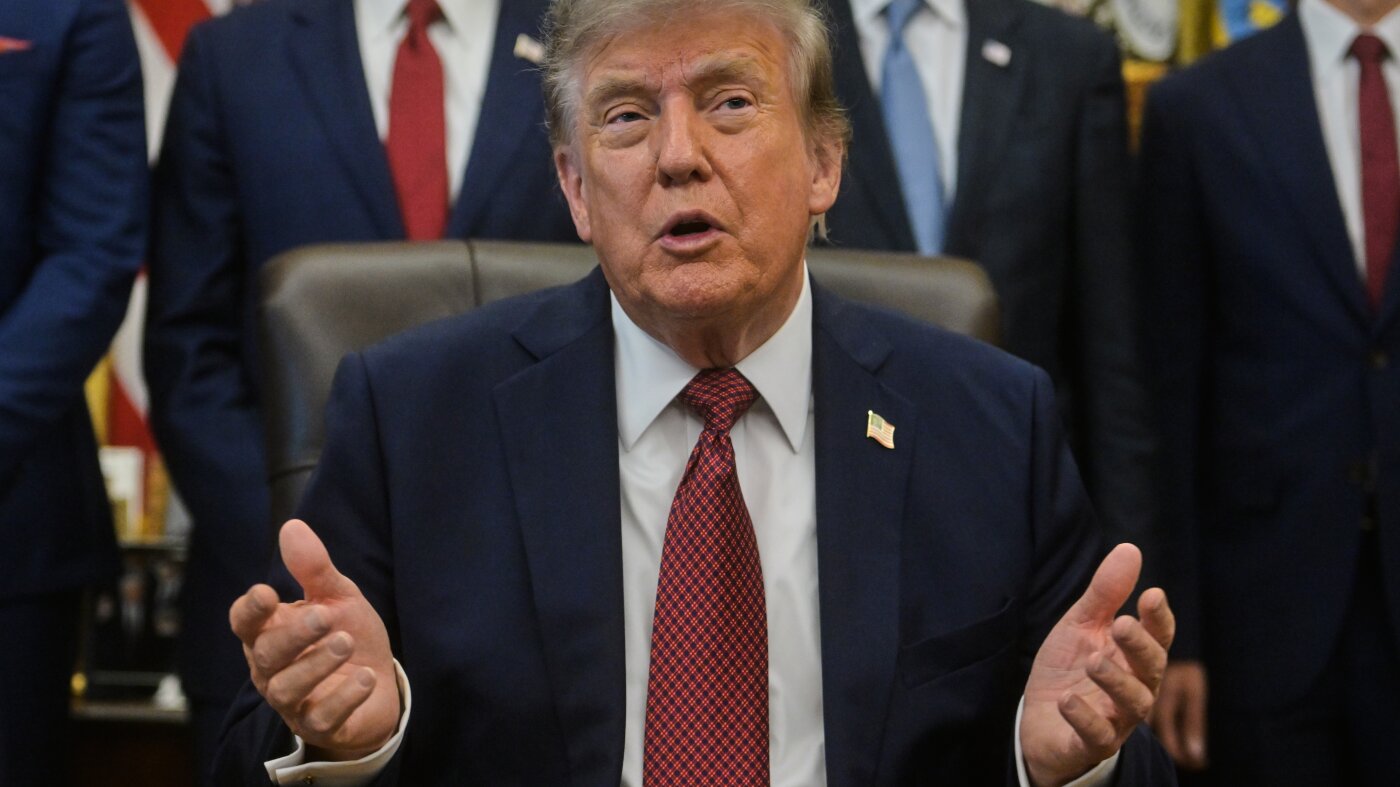
The us iran airstrikes pause has opened a narrow diplomatic window after nearly two weeks of escalating American bombing, The Associated Press reported. Mediators are trying to prevent a return to broader war while President Donald Trump keeps both military pressure and talks in play.
The conflict is set to reach its five-month mark Tuesday, according to AP. Trump has warned that the U.S. could intensify attacks, but he has also said negotiations with Iran are continuing, even as higher gasoline prices linked to the fighting raise political risks ahead of November’s midterm elections.
Why did U.S. airstrikes on Iran pause?
AP reported that the U.S. military recorded no strikes in Iran overnight after 13 straight nights of attacks. Michael Singh, managing director at the Washington Institute for Near East Policy, told AP it was too soon to know whether the halt was an operational pause or a signal meant to support behind-the-scenes diplomacy.
Singh said a pause lasting several days would be more significant. He also said Israel’s absence from the latest U.S. strikes could suggest to Tehran that Washington is trying to limit the conflict, while the possibility of Israel joining in could also increase pressure on Iran.
Israeli Prime Minister Benjamin Netanyahu is expected to meet Trump in Washington next week, AP reported. Israel began the war alongside the U.S. on Feb. 28 but has not joined the renewed American strikes tied to Iran’s effective closure of the Strait of Hormuz.
What is happening in the Strait of Hormuz?
The Strait of Hormuz is a narrow Persian Gulf shipping route through which 20% of the world’s oil normally moves, according to AP. Iran’s restrictions and attacks on ships have disrupted traffic there, contributing to higher oil prices during the war.
A regional official involved in mediation told AP that the pause in U.S. strikes and Iranian counterstrikes was a positive sign for de-escalation efforts. The official, who spoke anonymously because they were not authorized to discuss the talks, said negotiators are working on a compromise that would allow Iran to oversee vessel transit through the strait with fewer limits on ships.
Iranian Foreign Ministry spokesperson Esmail Baghaei said Iran and Oman held several rounds of technical talks in Iran over the weekend, AP reported. He said the Omani delegation left Tehran on Saturday afternoon, but discussions had made progress and were continuing.
AP reported that Iran began tightening control over the waterway when the war started by firing on tankers and freighters. After an interim ceasefire deal in June, Iran pushed ships toward a route near its coast and said it could charge fees, while more vessels used a southern route along Oman under U.S. overwatch before Iran attacked some ships.
The U.S. then struck Iranian coastal defenses, saying it aimed to reduce Tehran’s ability to hit vessels in the strait, AP reported. The Trump administration later expanded attacks to bridges and infrastructure in southern Iran and targets deeper inside the country.
Trump weighs escalation and talks
Trump told reporters Friday that the U.S. could continue its current approach, accelerate attacks or negotiate with Iran, according to AP. He said he did not think Iran was ready to make a deal yet, but also said he believed Tehran was becoming more serious.
A U.S. official told AP that Trump met Friday with senior national security aides to discuss whether to keep the current course or expand military action. The official spoke anonymously to describe internal deliberations.
Regional tensions remain high beyond Iran. Yemen’s Houthi rebels said Saturday they launched missiles and drones at Saudi Arabia in response to Saudi airstrikes on Hodeida, and the U.S. military said it disabled a Mozambique-flagged ship in the Gulf of Oman on Friday after it tried to breach a naval blockade of Iranian ports and ignored warnings, AP reported.
Trump dismissed the idea that the approaching elections should speed his decision-making. He told reporters Friday that he was “not in a hurry” and said elections would “take care of themselves,” according to AP.
This story draws on original reporting from NPR.