
US halted Iran strikes as talks resume and Hormuz remains closed
Washington paused attacks after 13 nights, with mediators pushing a ceasefire and reports of pressure on missile defenses.
By Lucas Ferreira · Science & Environment Writer
4 min read
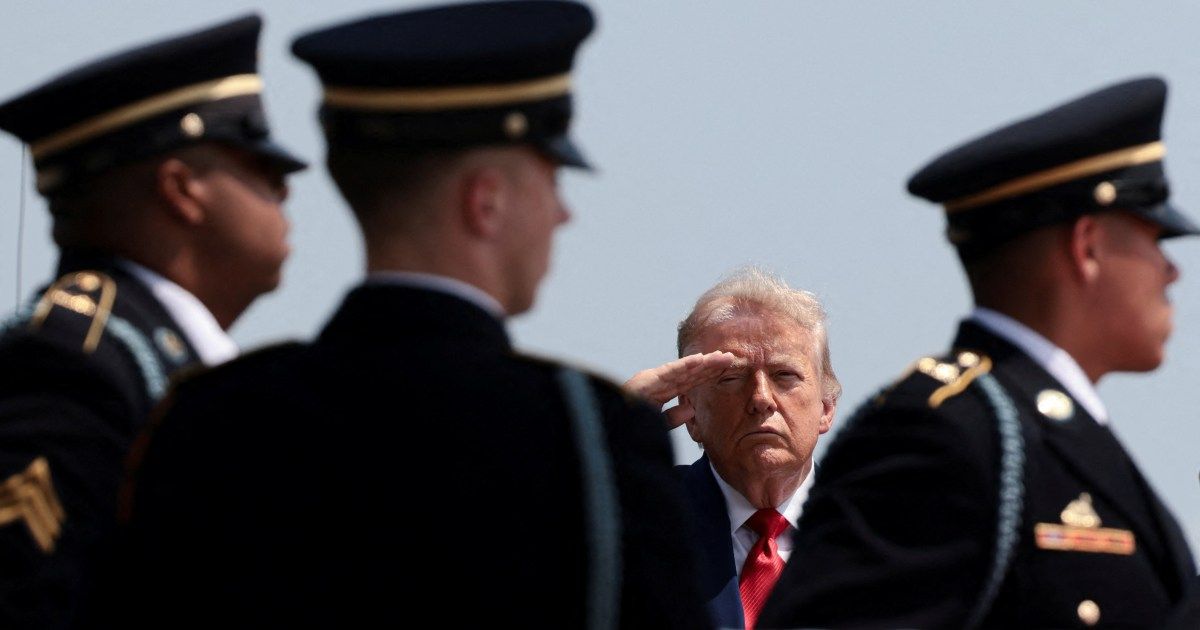
The US halted Iran strikes on Friday after 13 nights of attacks, Al Jazeera reported, creating the first major pause since an Islamabad-brokered ceasefire broke down. The halt matters because Iranian retaliation against US military assets and infrastructure in Bahrain, Kuwait and Jordan has also stopped, while the Strait of Hormuz remains closed to shipping.
The US military said Saturday that its naval blockade of Iranian ports, including ports in the Strait of Hormuz, was still in force. It did not give a reason for stopping the attacks.
Why did the US halt Iran strikes?
US Ambassador to the United Nations Mike Waltz told NBC News that President Donald Trump was allowing diplomatic efforts room to proceed. “Talks are ongoing,” Waltz said, according to Al Jazeera.
Iranian-American economist Nader Habibi told Al Jazeera that economic pressure was one likely factor. He said the renewed fighting had pushed crude oil above $100 a barrel and increased pressure on the Trump administration from inside the United States and from international partners.
Habibi said US strikes had not forced Iran to change course, while Iranian attacks on Gulf countries were imposing high costs and risked straining Washington’s ties with regional allies. He also said US sanctions and the naval blockade had put Iran’s economy under severe strain, including fuel lines and damage to bridges and railways.
Ali Vaez, the International Crisis Group’s Iran project director, told Al Jazeera that the latest fighting showed both governments that escalation was raising costs without settling the dispute. He said a solution would likely require returning to the June 17 memorandum of understanding and clarifying its disputed terms.
What is happening in the Strait of Hormuz?
The Strait of Hormuz is a narrow waterway between Iran and Oman that links the Gulf to open seas and is a critical route for energy shipments. Al Jazeera reported that it remains the central flashpoint after Iran effectively closed it to international shipping following US and Israeli attacks on Tehran on February 28.
Iran’s state broadcaster IRIB reported that six ships tried to use what it called an illegal and unsafe route in the southern strait early Monday after turning off navigation and positioning systems. IRIB said one vessel had an unspecified accident and the rest returned to the Gulf under Iranian direction, while an official quoted by the broadcaster blamed the US military for encouraging the ships to take the route.
Iran has discussed proposals with Oman for reopening the strait under shared management, Al Jazeera reported. It remains unclear whether Trump or Gulf Cooperation Council countries would accept that arrangement.
What diplomatic efforts are under way?
Qatar, Egypt and Pakistan have been working with other regional mediators on a new ceasefire between the US and Iran, according to Al Jazeera. The latest proposal would create a 10-day pause in fighting.
Iranian Foreign Ministry spokesperson Esmaeil Baghaei told Austrian broadcaster ORF that mediators were carrying messages between Tehran and Washington. He also said Iran had been “betrayed” despite earlier diplomatic efforts.
Iranian army spokesman Mohammad Akraminia said Tehran had stopped its retaliatory operations because its strategy had been retaliatory. Oil prices fell by about 4 percent after the missile exchanges stopped, according to Al Jazeera.
Are US weapons stockpiles a factor?
US media have reported that Washington may be running low on Patriot antimissile interceptors and other air-defense munitions in the Middle East. Axios reported that Joint Chiefs of Staff Chairman Gen. Dan Caine warned Defense Secretary Pete Hegseth and Trump that interceptor shortages could affect protection for US forces and allies in the region.
Trump rejected concerns about stockpiles in comments to The Wall Street Journal, saying the US had more munitions than it needed. After the pause began, he told reporters the US could continue or intensify military action, but said making a deal would be a smarter strategy.
The US government said last week that the war with Iran had killed at least 18 US personnel and wounded 482, before the Pentagon later lowered the death toll to 14, according to Al Jazeera.
This story draws on original reporting from Al Jazeera.