
Senegal searches for answers after late World Cup loss to Belgium
Belgium beat Senegal 3-2 in extra time after a late rally, leaving fans and former players questioning tactics, focus and preparation.
By Lucas Ferreira · Science & Environment Writer
3 min read
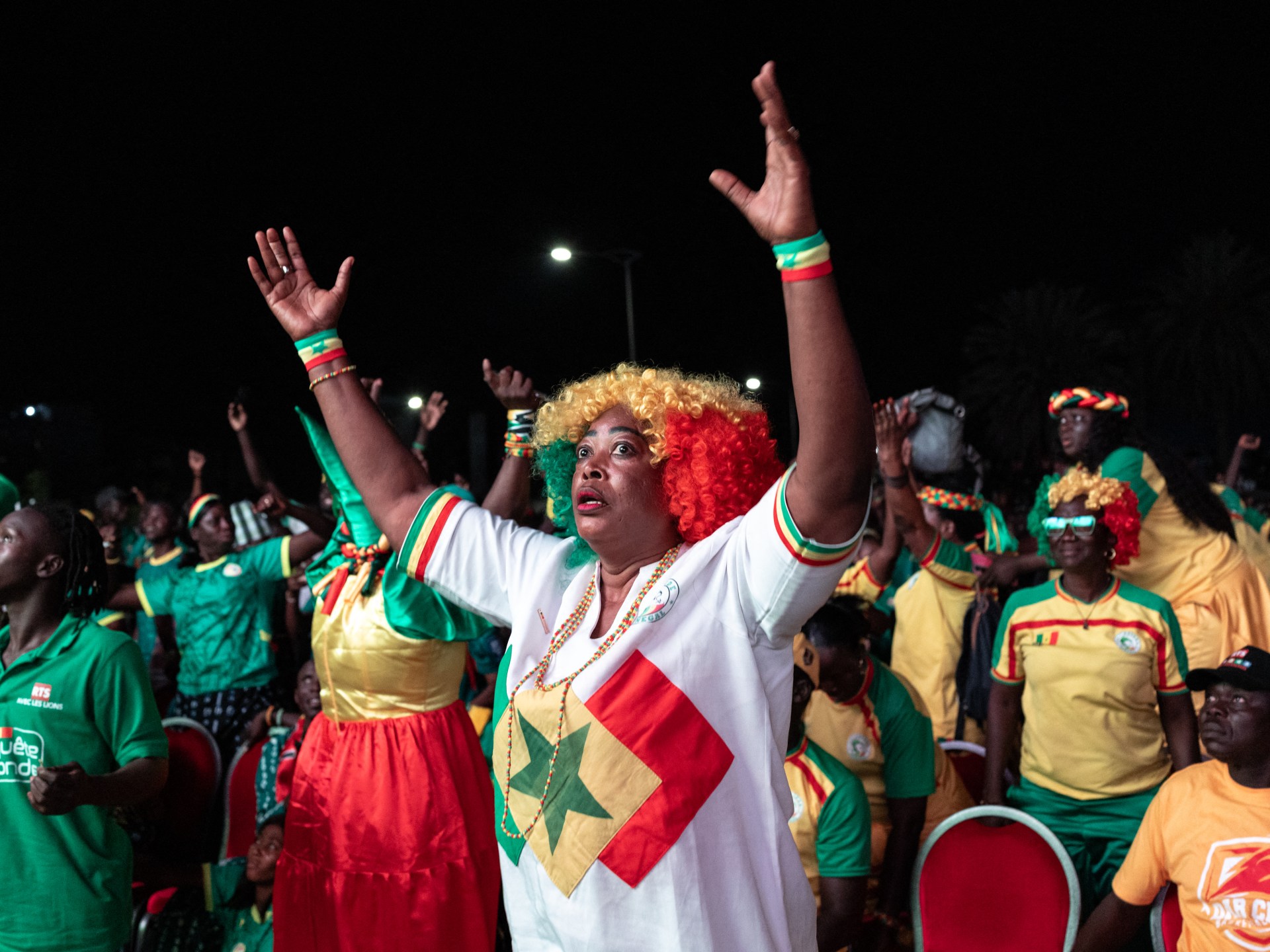
Senegal’s World Cup run ended in a 3-2 extra-time defeat to Belgium after a late collapse in Seattle, Al Jazeera reported. The loss matters in Dakar because Senegal had led deep into the match and entered the knockout game with expectations built by recent continental success.
According to Al Jazeera, Habib Diarra put Senegal ahead in the 25th minute, easing the tension among supporters watching across Dakar. Senegal added a second goal early in the second half, and celebrations had already begun in parts of the capital as the match entered its final minutes.
Belgium then scored twice in a five-minute span near the end of regulation, Al Jazeera reported. Senegal conceded a penalty in the closing stages of extra time, giving Belgium the win and a place in the last 16.
Former player questions late changes
Ferdinand Coly, a former Senegal international who played at the 2002 World Cup, told Al Jazeera that Senegal’s coaching decisions helped shift the match. He said Senegal had controlled the game until the 85th minute and should have closed it out.
Coly said the substitutions altered the midfield and left Senegal exposed after Belgium’s first goal. In his view, the team became hesitant, dropped back and failed to regain control once Belgium seized the momentum.
Coly, who has worked with the Senegalese Football Federation since retiring and now farms, told Al Jazeera that Senegal’s issue was preparation rather than player quality. He criticised what he described as an excessive dependence on data and performance tools, saying the team needed clearer tactical thinking and a stronger collective identity.
He contrasted Senegal’s approach with Belgium’s bench, saying Belgium’s coach continued taking notes and making adjustments late in the match. Coly told Al Jazeera that football still requires coaches to read events as they unfold and adapt quickly.
Fans point to focus and travel barriers
Ibrahima Diop, a Senegal supporter who travelled to the 2022 World Cup in Qatar, told Al Jazeera that concentration was the central problem. He said Senegal were disciplined for most of the match before losing their structure in the final minutes.
Diop also said the absence of many Senegalese fans in the stadium affected the players. According to Al Jazeera, United States President Donald Trump signed a December proclamation barring business and tourism visas for nationals of Senegal and several other countries, which kept fans holding only Senegalese nationality from travelling to the tournament.
Diop told Al Jazeera he saw a wider pattern at the tournament, saying Ivory Coast, DR Congo and Senegal had all led late before losing ground in stadiums lacking many of their own supporters.
Pressure reaches beyond the pitch
Babacar Fall, a Senegalese journalist who follows the national team, told Al Jazeera that the problems began before kickoff. He cited uncertainty over the coach’s contract, disagreements within the federation and disputes about player selection as factors that created instability during the tournament.
Fall said one late substitution against Belgium damaged Senegal’s defensive shape. He also linked the team’s disappointment to a broader national mood, saying hopes after the Africa Cup of Nations had given way to frustration.
Al Jazeera reported that supporters in Dakar spent the following day replaying missed chances, defensive errors and coaching calls. The defeat hit hard because Senegal had the lead, the players and the chance to reach the next round, according to the accounts gathered in Dakar.
Coly told Al Jazeera that the national team remains one of the few institutions able to bring Senegalese people together across political lines. That shared investment has raised the cost of defeat: for many supporters, a routine knockout exit no longer feels acceptable for a team they believe can compete with the best.
This story draws on original reporting from Al Jazeera.