
US blockade on Iranian ports threatens oil flows and widens conflict
The renewed naval blockade could cut Iranian exports and add pressure to oil prices as US-Iran fighting spreads across the Gulf, Al Jazeera reported.
By Sofia Marchetti · World Affairs Correspondent
4 min read
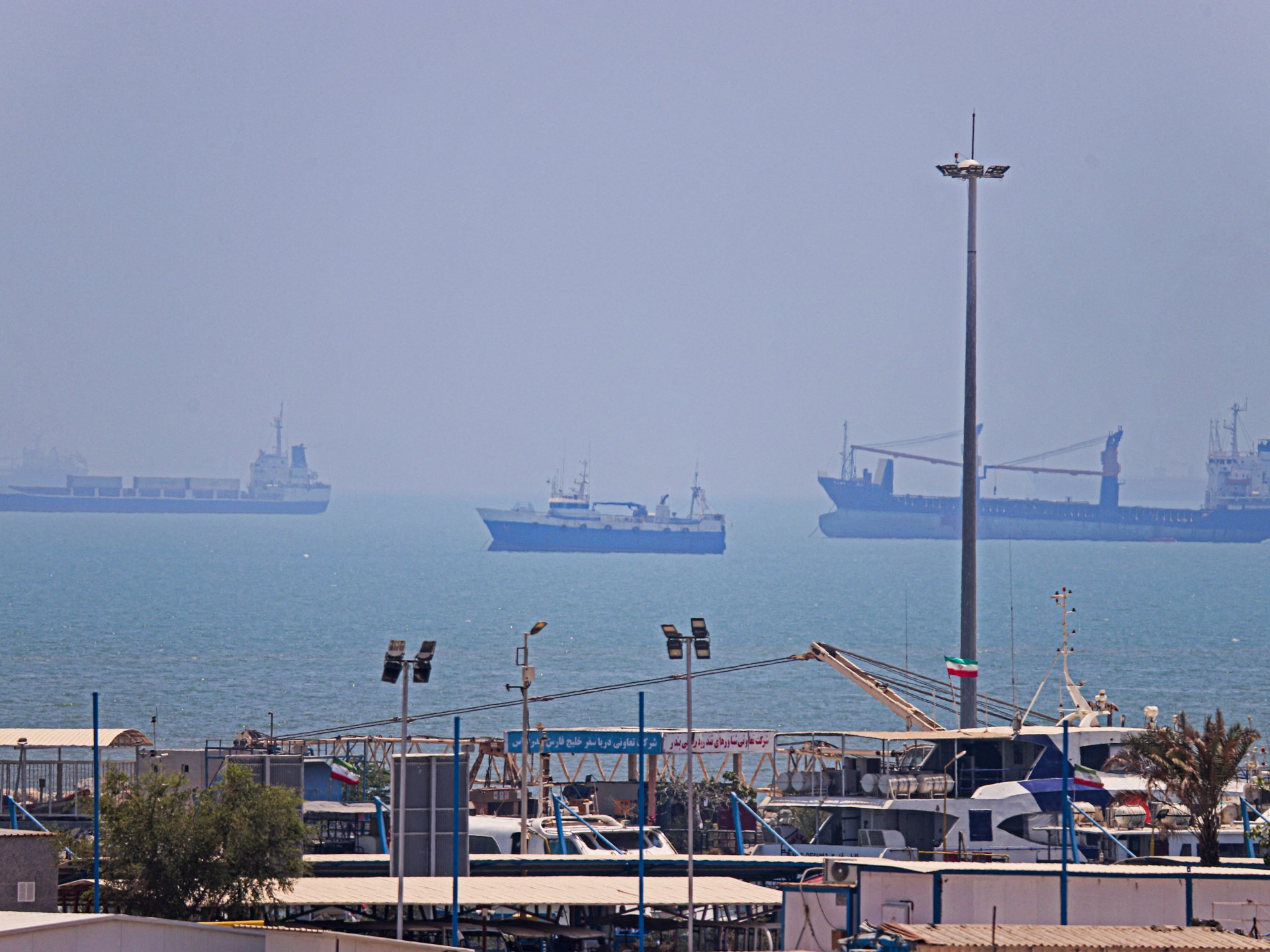
The United States has tightened a naval blockade on Iran’s southern ports as its conflict with Tehran escalates around the Strait of Hormuz, Al Jazeera reported. The move matters for energy markets because analysts say it could remove a large volume of Iranian crude from global supply and raise pressure on prices.
Al Jazeera reported that the blockade was first imposed in mid-April and lasted more than nine weeks. It was lifted after Washington and Tehran signed a memorandum of understanding in June that ended four months of fighting and reopened the Strait of Hormuz.
After that deal, Iran resumed crude exports, including oil held on supertankers near its terminals, according to Al Jazeera. The outlet reported that Washington has now revoked oil and banking waivers tied to the memorandum and blocked vessels linked to Iran from returning to port to load more crude.
US Central Command said it had redirected several ships operating in the Strait of Hormuz after renewed fighting. CENTCOM also said US forces disabled the Curacao-flagged supertanker Belma, alleging the vessel had carried Iranian crude during the war.
Al Jazeera reported that Iran has also been accused of attacking vessels in the waterway, prompting US strikes on Iranian coastal areas. Iranian authorities have acknowledged that the previous blockade sharply reduced crude exports, with parliament speaker and chief negotiator Mohammad Bagher Ghalibaf saying in a June television interview that Iran exported no oil during that period.
Oil and shipping risks
Energy analyst Hamidreza Shokouhi told Al Jazeera the renewed blockade could remove at least 1.5 million barrels per day of Iranian oil exports from the market. He said the loss has helped push oil prices to about $90 a barrel and that prolonged fighting could drive prices higher.
Shokouhi also told Al Jazeera that global strategic reserves were already under strain after being used during the war. He said Washington’s insistence that vessels use the southern route through the strait, close to Oman’s coast, during the memorandum period helped fuel the latest escalation.
According to Shokouhi, Iran has responded by trying to prevent other regional countries from exporting oil through the strait, increasing pressure on the US and its allies. Al Jazeera reported that the fighting has now included seven nights of reciprocal strikes between the US and Iran.
Strikes and economic pressure
Al Jazeera reported that Iranian missiles and drones have heavily targeted Kuwait and Bahrain in recent days. The outlet also reported that US strikes have hit multiple Iranian provinces, especially in the south near the Strait of Hormuz.
Civilian infrastructure, including bridges, tunnels, ports, power stations and water plants, has been hit along with military sites, according to Al Jazeera. The outlet said the Aq Tekeh railway bridge in Golestan province was among the first targets struck after the fighting resumed; Iranian authorities said the damage was repaired quickly.
The renewed blockade is adding pressure to Iran’s economy, Al Jazeera reported. During the earlier blockade, the outlet said staples remained broadly available, but inflation rose and prices for some basics, including eggs, chicken and cooking oil, more than tripled from a year earlier.
A Tehran Grand Bazaar merchant identified by Al Jazeera as Borzou said sales had become uneven and that traders were relying on imported inventories from before the disruption. He said uncertainty remained over goods previously brought in through China and the United Arab Emirates.
Al Jazeera reported that the rial fell to more than 1.93 million to the US dollar in Tehran’s open market on Saturday, a record low. The Tehran Stock Exchange’s main index also fell 120,000 points, or 2.4 percent, to 4.77 million, according to the outlet.
Iran’s armed forces have warned they will respond to US attacks on civilian infrastructure by striking similar targets in regional countries that host US military bases, Al Jazeera reported. Shokouhi told the outlet that Tehran could also use help from Yemen’s Houthi group to disrupt shipping through the Bab al-Mandab strait if President Donald Trump carries out threats to strike more Iranian infrastructure.
This story draws on original reporting from Al Jazeera.