
UNICEF says children face widening exposure to climate hazards
The UN agency says almost every child faces at least one climate threat, with nearly half exposed to three or more risks.
By Lucas Ferreira · Science & Environment Writer
2 min read
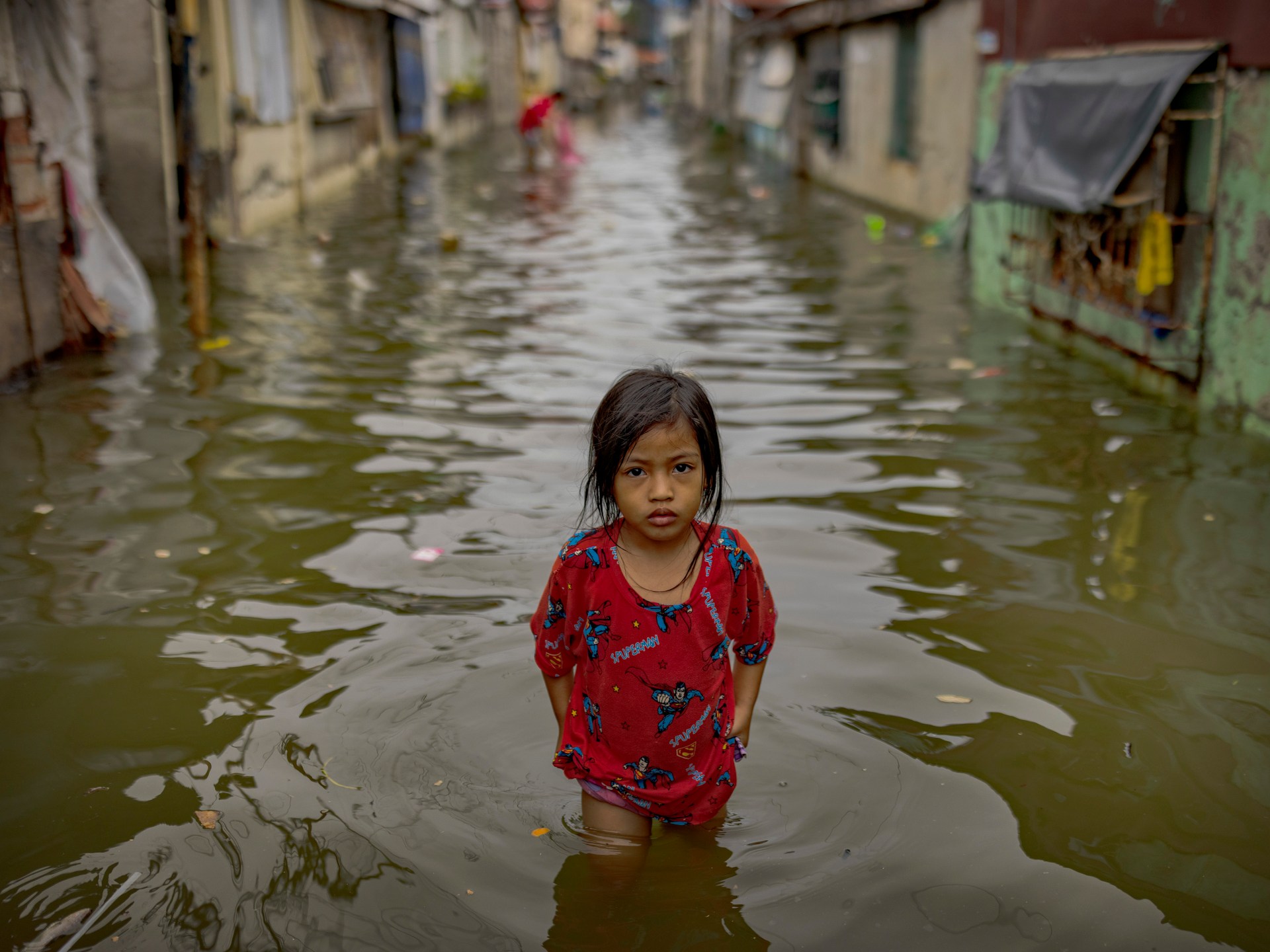
Almost every child in the world is now exposed to at least one climate hazard, UNICEF said in a report published Tuesday. The UN children’s agency warned that the risks are expected to grow unless greenhouse gas emissions are cut quickly, putting children’s health, schooling and survival under increasing strain.
UNICEF said nearly half of all children live with exposure to at least three climate hazards at the same time. Catherine Russell, UNICEF’s executive director, said heatwaves, wildfires, droughts and floods are disrupting children’s lives, with overlapping threats shaping daily conditions for many families.
The report points to a broad set of climate-related dangers, including worsening heat, drought, flooding, wildfire and air pollution. UNICEF called on governments and business leaders to speed up the shift to renewable energy as part of the response.
According to UNICEF, 1.8 billion children are at risk from drought. The agency also said 1.2 billion children are exposed to extreme heat, as rising temperatures disturb the water cycle and intensify pressure on communities already facing climate stress.
UNICEF said nearly every child is exposed to air pollution. It also said one billion children face exposure to malaria, a disease whose spread is affected by environmental and climate conditions.
Recent weather in Europe has underscored the trend. Countries in Western Europe experienced a record-breaking heatwave last month, with temperatures reaching levels not usually expected until summer, according to the report.
The findings add to long-running warnings from scientists that warming must be held to 1.5 degrees Celsius, or 2.7 degrees Fahrenheit, above pre-industrial levels to avoid the most severe effects of climate change. Scientists have repeatedly said that goal is increasingly unlikely to be met.
Nearly 200 countries signed the Paris Agreement, which set the 1.5C target as a central aim. The accord took effect in November 2016.
The United States formally withdrew from the Paris Agreement for a second time in January after an order by President Donald Trump. UNICEF’s report says the need for faster emissions cuts remains urgent as children face multiple and overlapping climate threats worldwide.
This story draws on original reporting from Al Jazeera.