
UNESCO debt education spending figures show 113 countries put debt first
UNESCO says 113 countries now spend more on debt service than education, deepening pressure on schools as aid is projected to fall.
By Sofia Marchetti · World Affairs Correspondent
3 min read
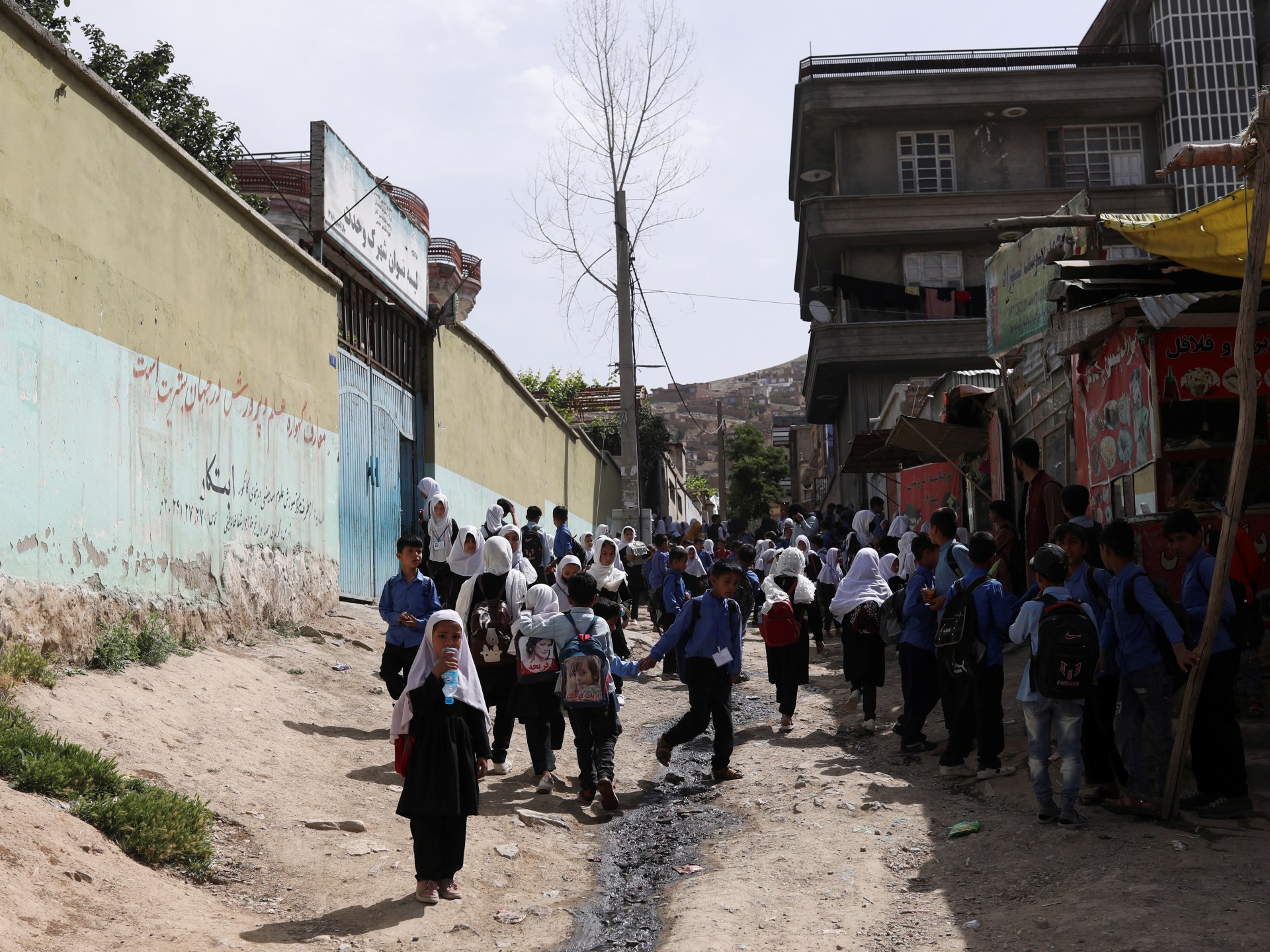
UNESCO debt education spending figures show that 113 countries, home to 6.1 billion people, now spend more on servicing debt than on education. The data has sharpened concern that debt burdens are limiting school budgets in much of the Global South.
In low-income countries, debt payments are nearly four times higher than education spending, UNESCO reported. In 18 of the most heavily indebted countries, governments spend at least five times as much on debt service as they do on education.
Ilan Kapoor, writing for Al Jazeera, argued that the figures show how sovereign debt obligations can outrank social commitments in practice. He wrote that creditors have enforceable claims on state revenue, while children rely on rights declarations, development goals and political promises.
Why are debt payments affecting education spending?
Debt service can consume public money that might otherwise pay for teachers, classrooms, school meals or basic repairs. Kapoor linked the pressure to overcrowded classrooms, worsening school buildings, teacher shortages, fees families cannot afford and children leaving school early.
The World Bank has reported that developing countries sent $741bn more to external creditors in principal and interest from 2022 to 2024 than they received in new financing. It called that the largest net debt outflow in at least 50 years.
In 2024 alone, low- and middle-income countries paid a record $415bn in interest, according to the World Bank. Kapoor said those flows challenge the common view of poorer countries as mainly recipients of outside assistance, because large sums are also moving from debtor states to bondholders, commercial banks, multilateral institutions and richer creditor governments.
Kapoor also argued that education cuts carry long-term costs because schooling builds future capacity, tax bases and social resilience. Debt contracts can trigger penalties such as downgrades, lawsuits, capital flight or exclusion from markets if breached, while the right to education has no similar enforcement system, he wrote.
What is a debt-for-education swap?
A debt-for-education swap is an agreement in which a creditor cancels or restructures part of a country’s debt, while the government commits money to agreed education programmes. UNESCO has proposed expanding such arrangements as one way to ease pressure on school systems.
UNESCO has cited several examples. A 2023 agreement with France helped Ivory Coast fund more than 30 schools in underserved areas; a German agreement with Egypt supported school feeding and basic services; and a Spain-Peru programme financed education projects in vulnerable regions.
Kapoor described those programmes as useful but limited. He wrote that swaps usually cover only a small share of total debt, depend on creditor approval and can add external monitoring requirements, while leaving the broader repayment system unchanged.
UNESCO also projects that international aid for education could fall by as much as 30 percent between 2023 and 2027. Kapoor said that would leave debtor countries under pressure from both declining aid and continuing repayment demands.
Kapoor called for wider debt cancellation for distressed countries, automatic payment suspensions during economic and climate emergencies, cheaper concessional financing and a fair multilateral process for restructuring sovereign debt. He also backed a binding United Nations framework that would set shared rules and include social rights when assessing what countries can afford to repay.
This story draws on original reporting from Al Jazeera.