
Air pollution suicide risk linked in review, but causation remains unproven
A review of 45 studies found links between several pollutants and suicide-related outcomes, while experts warned that other factors may explain them.
By Priya Raghavan · Science Reporter
3 min read
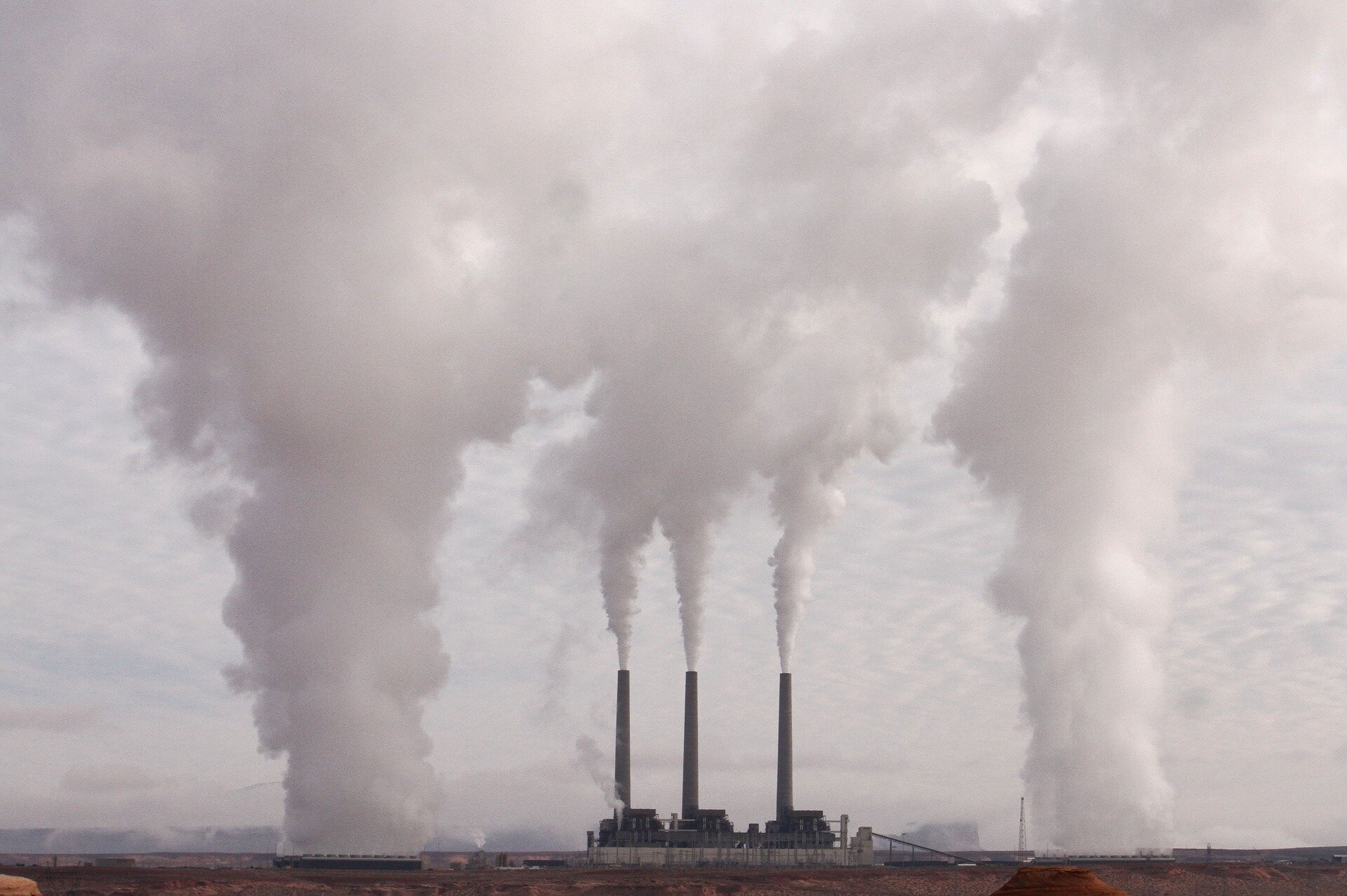
Air pollution suicide risk was associated with exposure to fine particles and nitrogen dioxide in a new evidence review, though the findings do not show that pollution causes suicide or suicidal thoughts. The 2026 systematic review and meta-analysis, published in the Journal of Epidemiology & Community Health, brings environmental exposures into a wider public-health discussion while leaving important questions about cause and effect unresolved.
The researchers reviewed 45 eligible English-language studies published from January 2010 through April 2024, according to the British Medical Journal. Twenty-nine studies were combined in a pooled analysis and 16 were assessed in a narrative review.
What did the air pollution suicide risk review find?
The pooled results showed statistically significant associations between suicide-related outcomes and short-term exposure to PM2.5, in 13 studies, and PM10, in seven studies. They also found associations for long-term exposure to PM2.5 across six studies and nitrogen dioxide, or NO2, across seven, BMJ reported.
The outcomes examined across the evidence base included death by suicide, attempted suicide and suicidal thoughts. The review does not establish that each listed pollutant caused each individual outcome, or that exposure can predict an individual person's risk.
PM2.5 and PM10 are airborne particles classified by size, while nitrogen dioxide is a gas pollutant. Of the 45 studies, 38 assessed air pollution; 33 examined death by suicide, seven assessed suicidal thoughts and five examined attempts, according to BMJ.
Why does the review not prove pollution causes suicide?
A meta-analysis combines findings from earlier research, so its conclusion depends on the design and quality of the underlying studies. The included research varied substantially in methods and design, and there were relatively few studies for individual outcomes, the review authors said.
Outside specialists said the underlying evidence was mainly observational. Dr. Jon Van Niekerk of the Royal College of Psychiatrists told The Guardian that air pollution is connected with factors that can also affect mental health, including socioeconomic deprivation, urban living, physical health and housing.
Dr. Rosie Cornish of the University of Bristol said conditions tied to both pollution and suicide risk could account for the observed links, The Guardian reported. The Independent cited further potential confounders raised by experts, including access to green space, lifestyle differences and access to mental-health care.
What about other kinds of pollution?
The narrative portion of the review found possible positive associations involving sulfur dioxide, ozone and noise pollution, according to BMJ. Evidence on water and light pollution could not be pooled because few studies were available and outcome measures differed; the narrative findings in those areas were inconsistent.
The authors said environmental exposures could be considered potentially modifiable factors in population-level suicide-prevention policy. Van Niekerk cautioned that the findings should not be used to predict an individual's suicide risk or to conclude that cutting pollution alone would prevent suicide.
Anyone in immediate danger or experiencing a mental-health crisis should contact local emergency services or a crisis-support service in their area.
This story draws on original reporting from Medical Xpress.