
UN warns Ebola outbreak could drain $3.6bn from African economies
The UNDP says a wider Ebola spread from DR Congo could cut growth and jobs, with 377 deaths already reported in the country.
By Daniel Okafor · Business Editor
3 min read
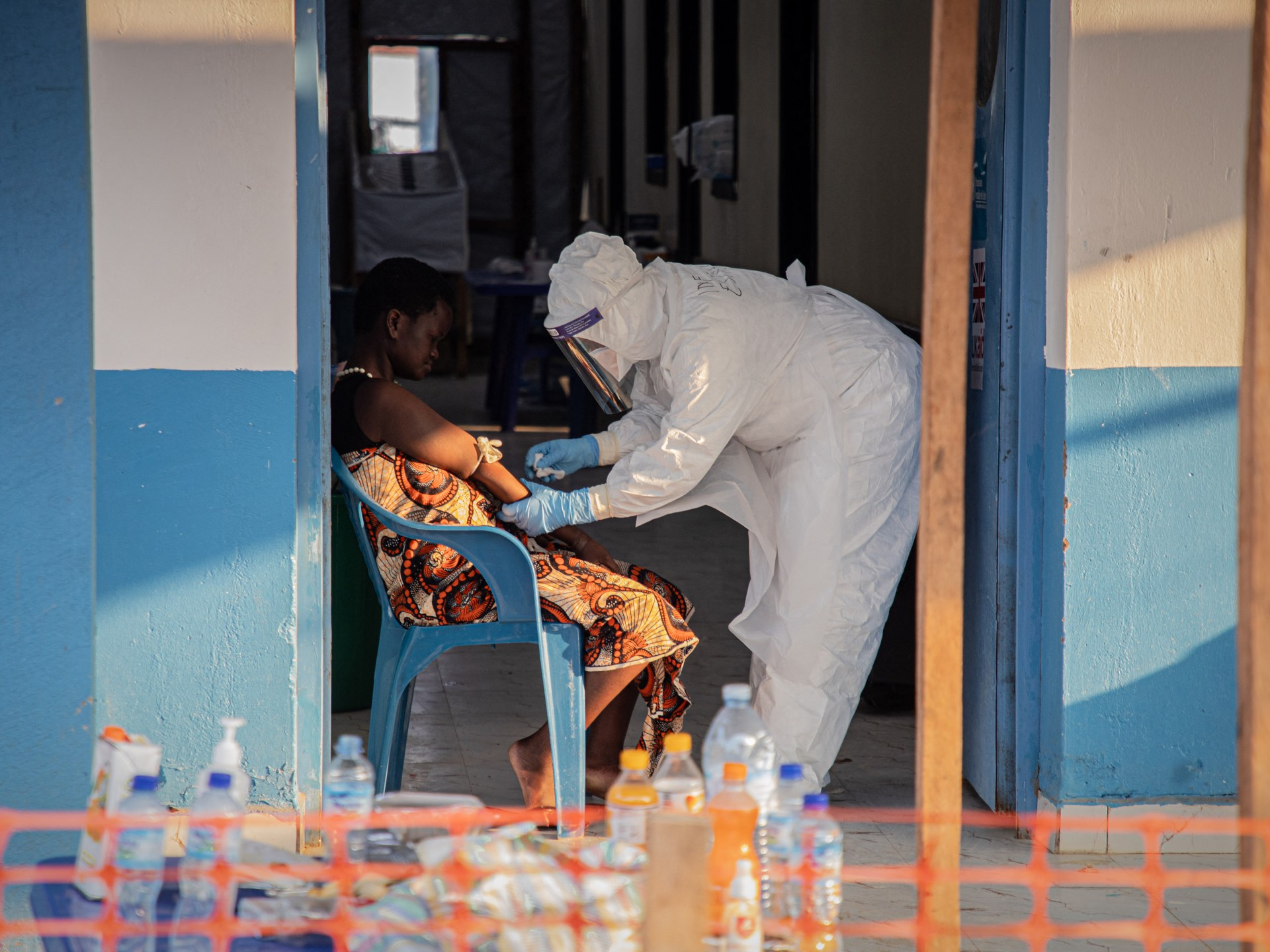
The United Nations has warned that the Ebola outbreak in the Democratic Republic of the Congo could become a wider economic shock for Africa if it is not contained. A United Nations Development Programme assessment said the crisis could cost the continent as much as $3.6bn and eliminate hundreds of thousands of jobs in its worst scenario.
The DRC government says the outbreak has infected 1,307 people and killed 377 since authorities declared it on May 15. Reuters reported that the outbreak involves the Bundibugyo strain of Ebola, for which there is no tested vaccine or treatment.
Most cases are in the DRC, while a far smaller number have been reported in Uganda, according to Reuters. Experts cited by Reuters have warned that the virus could spread to other neighbouring countries, including South Sudan.
Damien Mama, the UNDP resident representative in the DRC, said the outbreak can still be contained if enough resources are deployed. He warned that without a stronger response, the emergency could turn into a longer development crisis across the region and possibly beyond.
UNDP outlines economic risks
The UNDP report set out three possible paths for the outbreak. In its most limited scenario, where Ebola stays contained in the DRC and Uganda, the agency estimated a $1bn hit to the DRC’s gross domestic product.
The worst scenario described by the UNDP would see the disease spread to other countries, including Rwanda and Angola, while higher fuel costs tied to the Iran crisis add pressure to economies. Under that projection, the report said African GDP would fall by $3.6bn and 328,000 jobs would be lost.
The current outbreak is centred in Ituri, a conflict-affected province in eastern DRC, Reuters reported. It is the country’s 17th Ebola outbreak and began in May.
Funerals have played a role in transmission in many cases, according to Reuters, because the bodies of people who died from Ebola remain highly infectious. In the DRC, funeral rites can run for several days and often include relatives and friends touching the body.
Aid workers have had difficulty arranging safe burials in affected areas because of mistrust in some communities, Reuters reported. Those burials are intended to reduce contact with the dead and slow the spread of the virus.
Gathering ban draws criticism
The DRC government last week banned public gatherings in four provinces, including the capital, Kinshasa, as it tries to limit infections. Reuters reported that the order came before a planned July 8 protest in Kinshasa against constitutional reform.
Opposition figures have described the ban as politically motivated, according to Reuters. The government has presented the measure as part of its effort to contain the outbreak.
This story draws on original reporting from Al Jazeera.