
Supreme Court voids limits on coordinated party campaign spending
The 6-3 ruling removes federal caps on party spending planned with candidates, a decision that could reshape campaign finance before the midterms.
By Sofia Marchetti · World Affairs Correspondent
3 min read
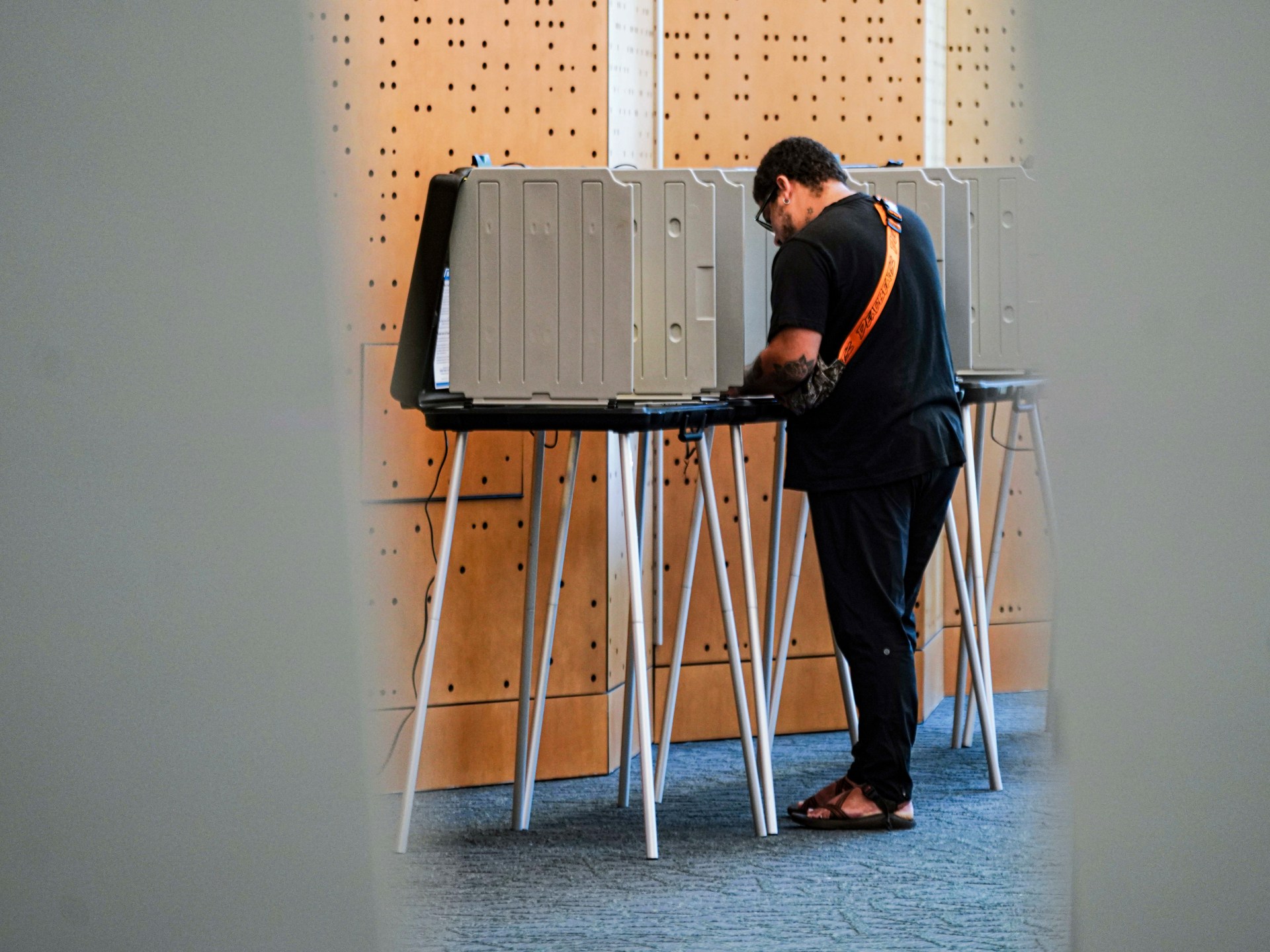
The Supreme Court struck down federal limits on political party spending coordinated with candidates, expanding how parties may deploy money in US campaigns before the November midterm elections. The 6-3 decision, reported by AP and Reuters, found that the caps violated the First Amendment’s free speech protections.
AP and Reuters reported that the court’s six conservative justices formed the majority, while the three liberal justices dissented. The ruling came Tuesday, the final day of decisions in the court’s nine-month term.
The case arose from a Republican-led challenge to a provision of the Federal Election Campaign Act of 1971, according to AP and Reuters. That law regulates money in federal elections and was designed, in part, to curb corruption by limiting spending connected to candidates.
Under the framework described by AP and Reuters, political parties could spend without a cap when their messaging for or against a candidate was not coordinated with that candidate’s campaign. Spending planned with a candidate, however, had been subject to federal limits.
Challenge began during Vance Senate run
AP and Reuters reported that Vice President JD Vance was among the Republican candidates tied to the lawsuit. Vance was running for an Ohio Senate seat in 2022 when the challenge to the restrictions was filed.
The decision overturns a 2001 Supreme Court ruling involving the Colorado Republican Federal Campaign Committee and the Federal Election Commission, according to AP and Reuters. In that earlier case, the court upheld the coordinated-spending limits by a 5-4 vote.
A lower court also sided with the restrictions before Tuesday’s decision. AP and Reuters reported that the US Court of Appeals for the 6th Circuit upheld the limits in 2024.
On appeal, the plaintiffs argued that changes in campaign finance and the Supreme Court’s own legal approach since 2001 had weakened the basis for keeping the limits, according to AP and Reuters.
After President Donald Trump took office, the Federal Election Commission chose not to defend the challenged provision, AP and Reuters reported. The Supreme Court appointed lawyer Roman Martinez to defend it, and also allowed the Democratic National Committee, Democratic Senatorial Campaign Committee and Democratic Congressional Campaign Committee to intervene in support of the limits.
Caps varied by state
The coordinated-spending caps differed depending on state population, AP and Reuters reported. In 2025, Senate limits ranged from about $127,000 to $3.9 million, while House limits ranged from about $63,000 to $127,000.
The ruling arrives as Republicans seek to keep control of Congress in the midterm elections, according to AP and Reuters. The three major Republican committees — the Republican National Committee, National Republican Congressional Committee and National Republican Senatorial Committee — ended May with $256 million in cash and no debt.
AP and Reuters reported that their Democratic counterparts held about $126 million and carried more than $18 million in debt.
The campaign finance decision was one of several election-related rulings from the court this term, according to AP and Reuters. On Monday, the justices rejected a Republican-led challenge to Mississippi’s five-day period for counting mail ballots received after Election Day.
AP and Reuters also reported that in April the court weakened a central provision of the 1965 Voting Rights Act, a move that opened the door for Republican-led Southern states to redraw districts held by Democrats with Black and Latino majorities ahead of the midterms.
This story draws on original reporting from Al Jazeera.