
Supreme Court birthright citizenship ruling draws swift political clash
The 6-3 decision preserved automatic citizenship for most people born in the US, prompting praise from rights groups and vows of action from Trump allies.
By Daniel Okafor · Business Editor
3 min read
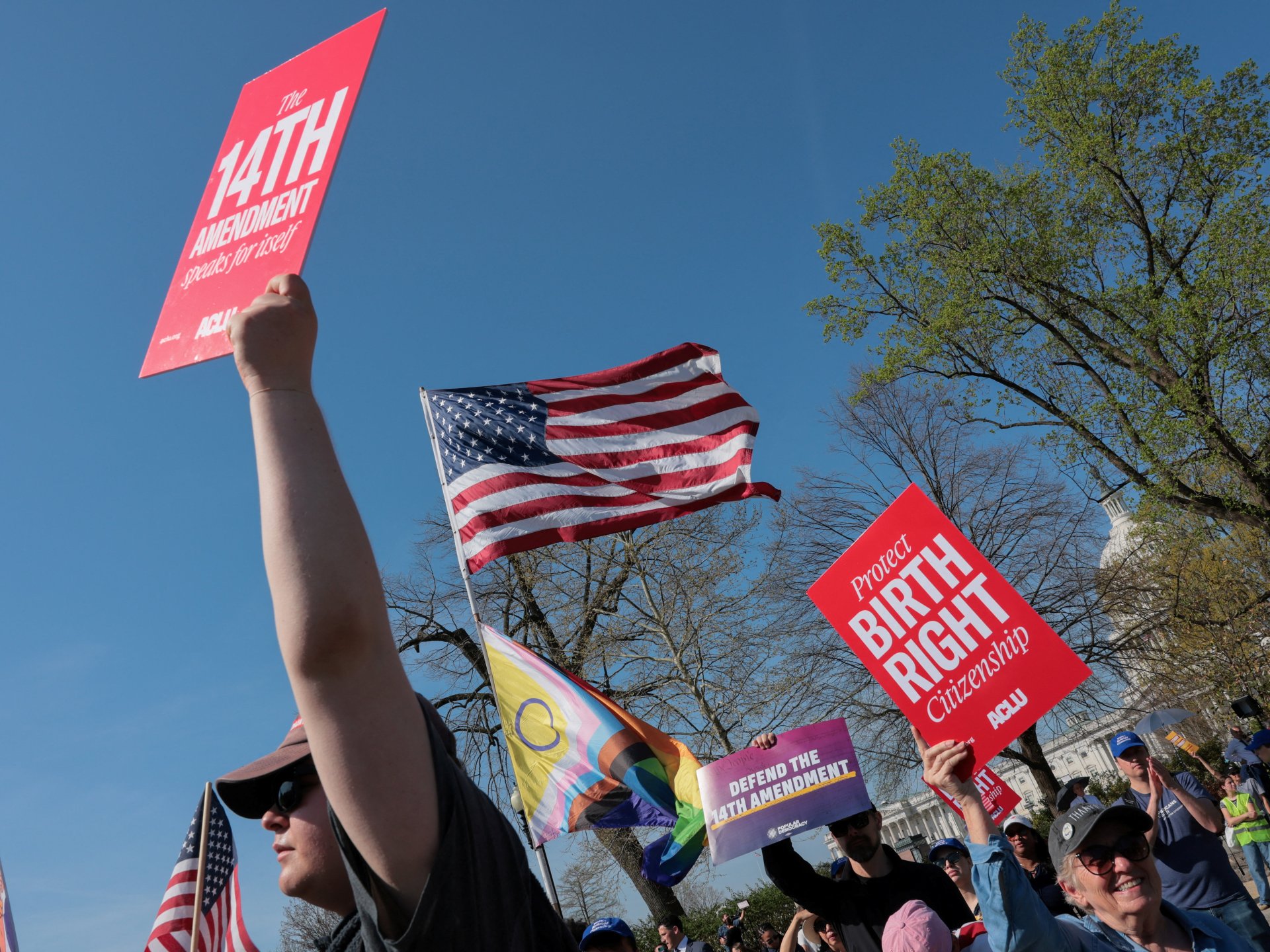
The US Supreme Court has ruled against President Donald Trump’s attempt to limit birthright citizenship, preserving automatic citizenship for nearly all people born in the United States. The 6-3 decision keeps in place a long-running interpretation of the 14th Amendment and set off immediate reaction from the White House, lawmakers and immigration advocates.
The court’s majority said birthright citizenship is supported by the Constitution and by legal practice tracing back to English common law. The ruling rejected the Trump administration’s position that the right should apply only to children of US citizens and permanent residents.
Three justices sided with the administration. They argued that the 14th Amendment does not clearly guarantee citizenship to children of all immigrants in the country.
Trump allies condemn the decision
Stephen Miller, a top Trump adviser and a central figure in the administration’s immigration agenda, attacked the ruling on X. He called it “one of the most destructive and outrageous decisions” in Supreme Court history.
“American citizenship is not the birthright of the world,” Miller wrote. “It belongs only and solely to Americans. No provision of the Constitution can be read to require our national self-obliteration.”
Trump said on Truth Social that the ruling was “too bad for our country” and urged Congress to act. He said lawmakers should begin work “TODAY” on ending what he called “expensive and unfair to our Country, Birthright Citizenship,” and said they would have his “Complete and Total Support.”
The Justice Department said after the decision that it would focus on prosecuting what it described as “birth tourism schemes across the country.” The department said people who try to exploit loopholes to obtain automatic citizenship for their children “pose a national security threat and will be brought to justice.”
Rights groups welcome the ruling
Immigration and civil rights groups described the decision as a major legal victory. Anthony Romero, executive director of the American Civil Liberties Union, called it “one of the most important constitutional cases of the past 100 years.”
Romero said Trump had staked his legacy on the policy and lost, noting that the president attended arguments in person. Kica Matos, president of the National Immigration Law Center, said the decision was “an important victory for our democracy” and for communities that challenged Trump’s effort to change constitutional practice.
Matos also said the outcome showed how vulnerable constitutional protections had become. She said the 14th Amendment is “clear and definitive” and added that the case “should never have been this close.”
Lawmakers split along party lines
Republican lawmakers said they would keep seeking limits on birthright citizenship. Senator Lindsey Graham, a close Trump ally, said on X that he would make the issue a top priority in the Senate Judiciary Committee and would keep pushing to address what he called a “major pull factor” for birth tourism and illegal immigration.
Senator Eric Schmitt pointed to an opinion by Justice Brett Kavanaugh, who joined the majority judgment. Schmitt said Kavanaugh “MAY have left Congress a door” and said he would file legislation while continuing work on a constitutional amendment.
Democrats pledged to resist further efforts by Trump to reshape immigration law. Senator Alex Padilla said in a statement that the issue was personal because he is the US-born son of immigrants, and he warned that the ruling would not end Trump’s attacks on the Constitution, democracy or the meaning of American citizenship.
This story draws on original reporting from Al Jazeera.